我是小海的奶奶 你是谁啊
“I'm Xiaohai's grandma. Who are you?”
THE DIALOGUE REEL
进来吧
“Yes, come in.”
我是 小海的奶奶 你是谁啊
“I'm Xiaohai's grandma. Who are you?”
我是月海的镇长 李秋萍
“I'm Li Qiuping, mayor of Yuehai.”
Direct spoken expression in this communicative setting.
In Chinese family and neighborhood social contexts, elders often introduce themselves based on their relationship to a child (such as 'I am so-and-so's grandmother/mother'), reflecting a family-oriented social identity.
LEARNING CHUNKS & PARTICLES
Who are you?
A direct colloquial expression used to ask a stranger's identity, featuring the modal particle 'a' to soften the bluntness of the question.
Used at the end of a question to soften the tone of inquiry, making it sound less blunt or guarded.
VOCABULARY & EXPRESSIONS
Parallel Spoken Cinema Scenes (语义近邻切片)

“I know it was all Hai's fault.”

“Did Hai do something to hurt you?”
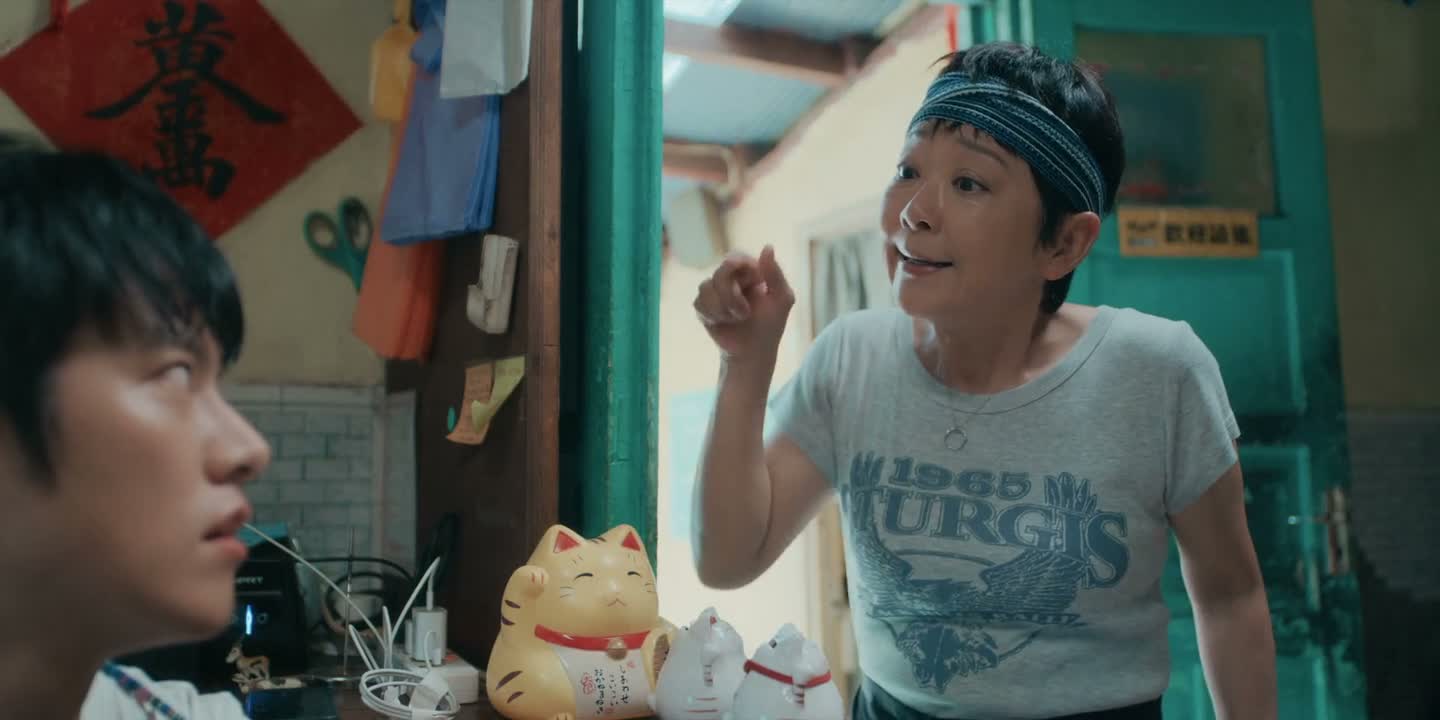
“Every time Xiaohai comes over,”

“Did Grandma mistake me for someone else,”
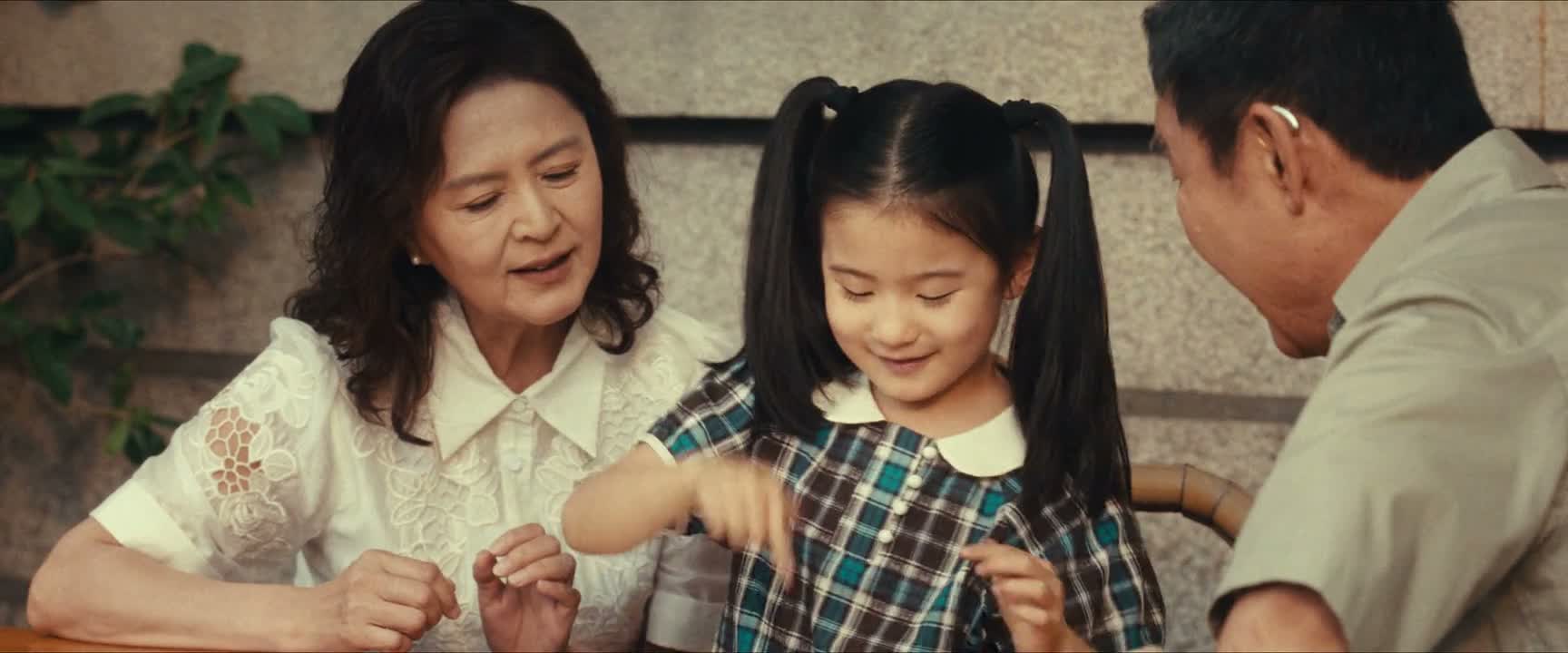
“this is me, and this is Grandma.”

“Like I'm your enemy.”