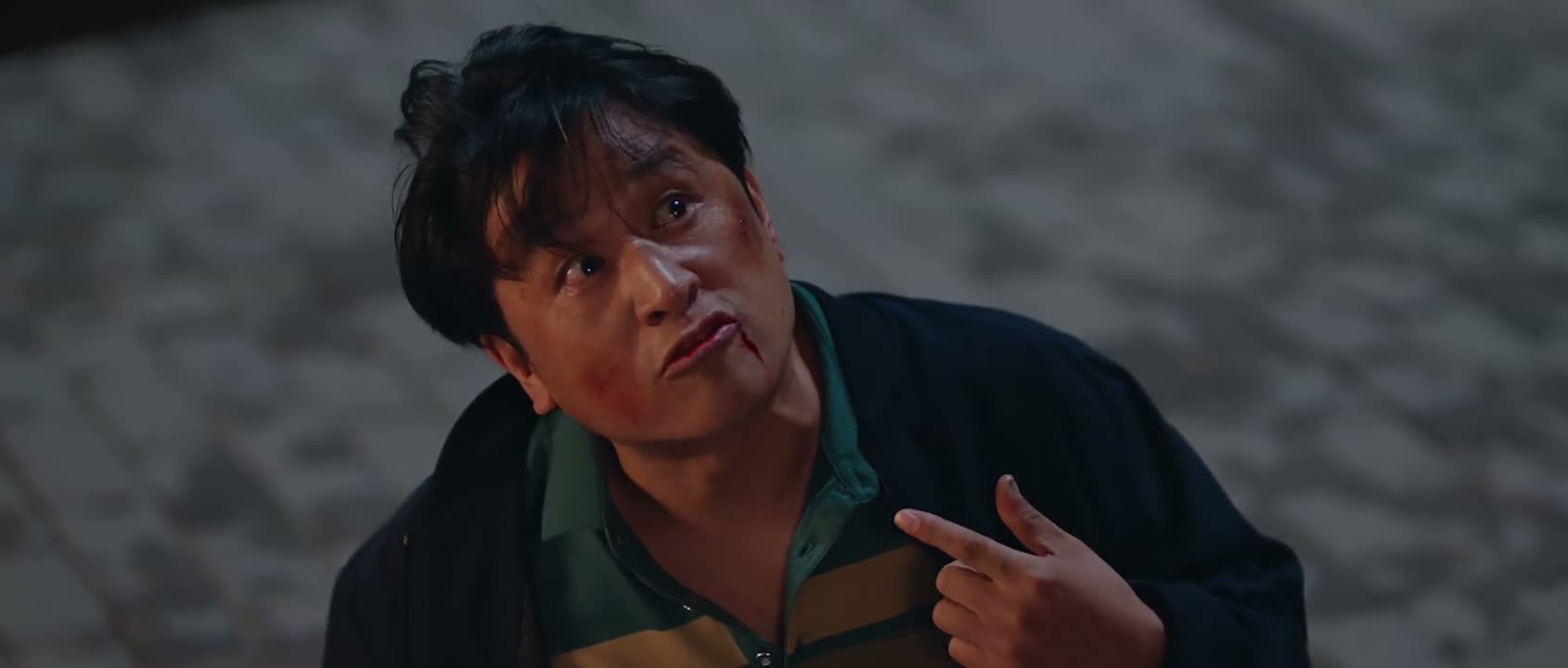
老子叫你没听着啊
“You're ignoring me, huh?”
THE DIALOGUE REEL
小傻子
“Little idiot.”
老子 叫你 没听着 啊
“You're ignoring me, huh?”
不管咋说 我也是你后爹吧 你叫个人都不会 你呀
“I am your stepdad, after all. Can't even call me Dad? You're just like your stupid mom. A retard.”
“Don't you dare ignore me! Show some respect and answer when I call you!”
In Chinese, using 'laozi' (literally 'your father') as a self-reference stems from a father addressing his children. When directed at others, it carries an overbearing, condescending, or provocative tone. In tense blended families (e.g., between a stepfather and stepchildren), an elder often uses this term to aggressively assert patriarchal authority.
LEARNING CHUNKS & PARTICLES
a colloquial male self-reference (often crude, arrogant, or asserting seniority like 'your father')
Highly colloquial and emotionally charged, commonly used when enraged, throwing one's weight around, or playfully among close male friends; CSL learners should exercise caution when using it.
did not hear
In Northern dialects and spoken Chinese, 'zhao' is frequently used as a resultative complement indicating the attainment of an action's objective, equivalent to 'jian' or 'dao'.
Used at the end of a rhetorical question to intensify an interrogative, reproaching, and disgruntled tone.
VOCABULARY & EXPRESSIONS
Parallel Spoken Cinema Scenes (语义近邻切片)

“Come here, I said. Be in your position.”

“Why didn't I hear you call him Dad even once?”

“I want you to tell me the truth.”

“Do I owe you anything or what?”
“My name is Huang Mantang.”

“I did. You just didn't hear me.”