我就一起开走 我知道的就这些了
“Then I go pick up both the oil and the van. That's all I know.”
THE DIALOGUE REEL
“When it's done, he calls me. Then I go pick up both the oil and the van.”
我就 一起 开走 我知道的就这些了
“Then I go pick up both the oil and the van. That's all I know.”
他们家有个后院
“His place has a backyard.”
“That's honestly all I know; I was just doing what I was told and I'm not deeply involved.”
In Chinese contexts, 'wo zhi dao de jiu zhe xie le' (that is all I know) frequently appears in interrogations and statement recordings, reflecting the speaker's eagerness to clear themselves and demonstrate full cooperation.
LEARNING CHUNKS & PARTICLES
That is all I know; I have no more information.
A common colloquial pattern often used at the end of giving an account, reporting, or cooperating with an investigation, typically serving to show full honesty or disclaim further responsibility.
both... and...; including together
A common colloquial fixed construction indicating that two items or actions are combined or included together, such as 'lian chi dai he' (eating and drinking) or 'lian pao dai tiao' (running and jumping).
Placed at the end of the sentence to indicate the completion of a state and the conclusion of the speech act, reinforcing the tone of having finished explaining.
VOCABULARY & EXPRESSIONS
Parallel Spoken Cinema Scenes (语义近邻切片)

“Yeah, together. [Go]”

“All right, I understand. I will be there right away.”
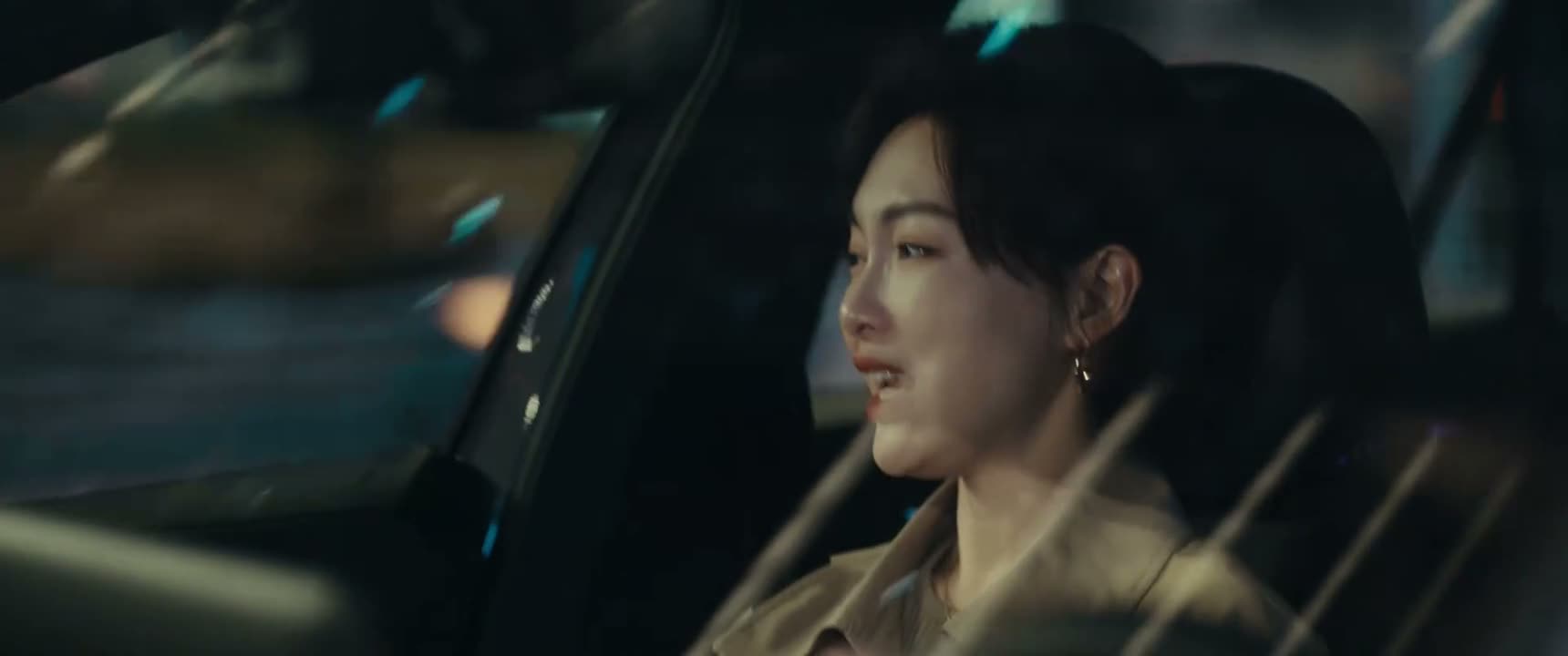
“Worst case, I'll do ride-hailing with you.”

“It's time to go. Okay. You go ahead. I'll be there shortly.”

“I'll drive across. I've done it before!”

“Get off me. I can't take it anymore. What are you doing?”