该走了 我知道了 你先去 我随后就到
“It's time to go. Okay. You go ahead. I'll be there shortly.”
THE DIALOGUE REEL
睡觉呢 你爸
“Your dad is sleeping.”
该走了 我知道了 你 先去 我随后就到
“It's time to go. Okay. You go ahead. I'll be there shortly.”
“Hurry up then. I know. Go ahead.”
“Stop rushing me; leave already and let me catch up at my own pace.”
Phrases like 'I know' paired with urging the other person to go ahead are standard Chinese communicative strategies to handle repetitive nagging without overt confrontation.
LEARNING CHUNKS & PARTICLES
time to leave
A colloquial way to announce that a departure is due.
will be right behind / arriving shortly
A courteous and frequent phrase used to tell companions to move forward ahead of you.
Indicates a change of status, denoting that the scheduled time for departure has arrived.
VOCABULARY & EXPRESSIONS
Parallel Spoken Cinema Scenes (语义近邻切片)
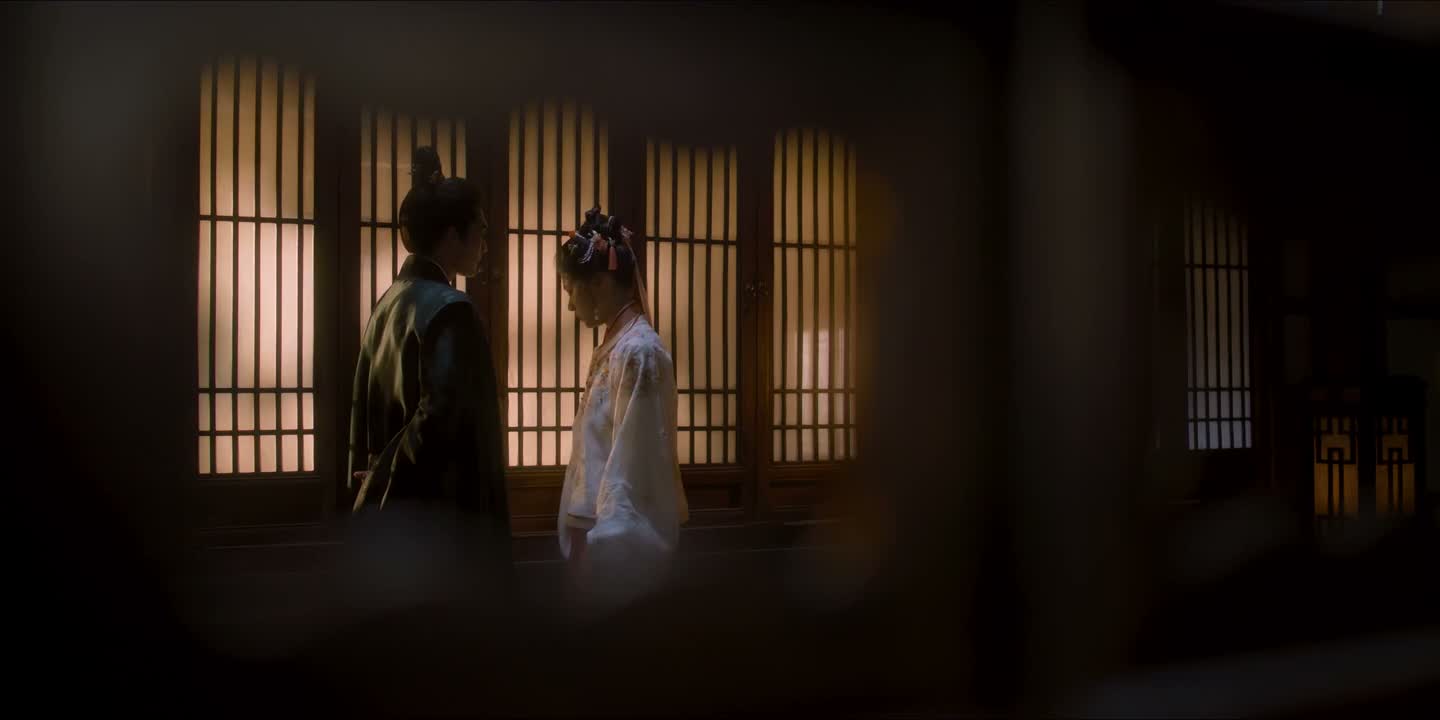
“I have to go. I have already explained to my mentor.”

“Has she left? No.”

“Leave, now. I'm telling you. This isn't over.”
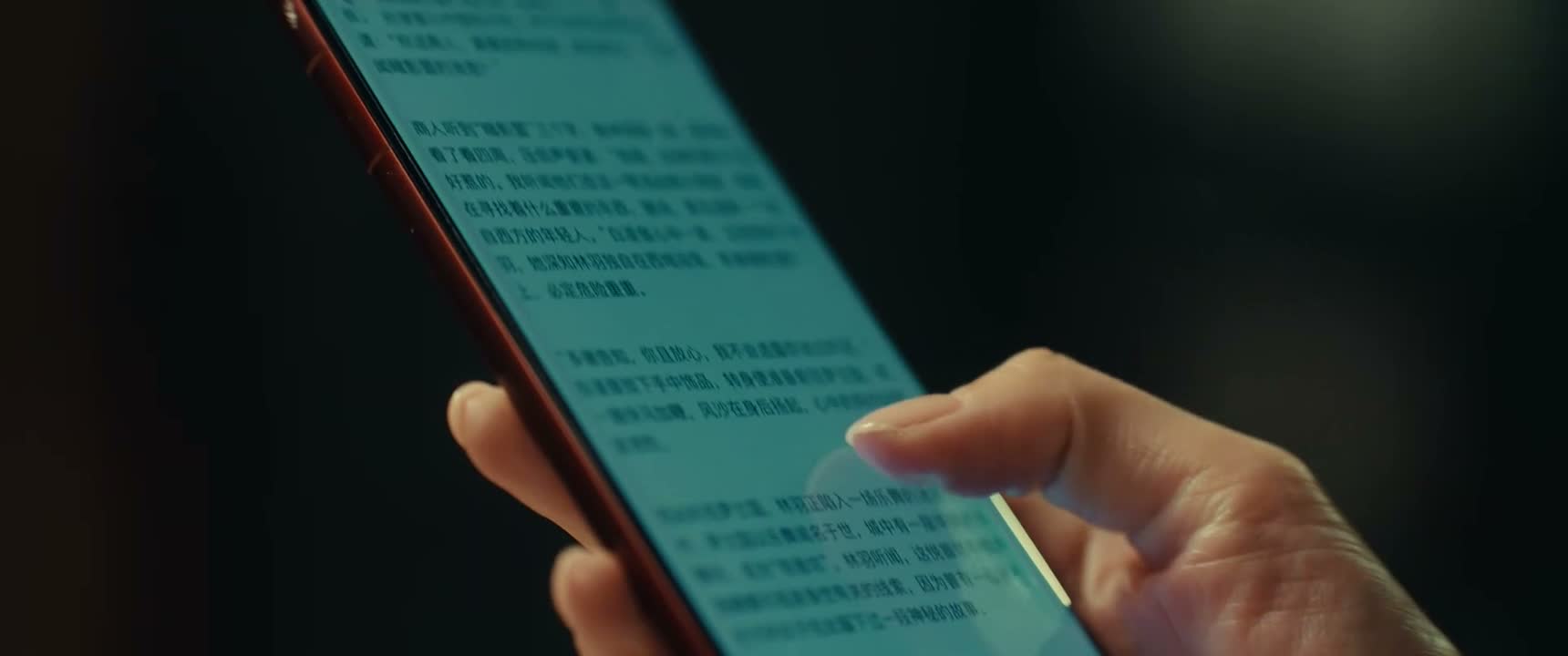
“I'm leaving. Take care of yourself.”

“After I leave, take good care of yourself.”

“Just come. I'll tell you. No, I'm busy here.”