小鹿鹿好久不见 小林老师 我真的巨想你
“-Lu, long time no see. -Ms. Lin! [Skipping Work to Celebrate a Birthday. Unfollow Me If You Must] I miss you so much!”
THE DIALOGUE REEL
老大 老大 你见到小林老师了吗
“Boss! Boss! Have you seen Ms. Lin?”
小鹿鹿 好久不见 小林老师 我 真的 巨想你
“-Lu, long time no see. -Ms. Lin! [Skipping Work to Celebrate a Birthday. Unfollow Me If You Must] I miss you so much!”
生日快乐呀 谢谢 谢谢 你这直播间
“[Skipping Work to Celebrate a Birthday. Unfollow Me If You Must] Happy birthday! Thank you. What does the title [Skipping Work to Celebrate a Birthday. Unfollow Me If You Must]”
Direct spoken expression in this communicative setting.
In spoken Chinese, adding 'xiao' (little) before a character and reduplicating the final syllable creates an affectionate and cute nickname, commonly used between close friends or by fans interacting with public figures.
In modern workplaces, cultural industries, and livestreaming, 'laoshi' is widely used as a polite honorific for professionals or peers, rather than strictly denoting an actual school teacher.
LEARNING CHUNKS & PARTICLES
long time no see
The most common colloquial greeting when meeting acquaintances or friends after a period of separation.
miss you immensely
In modern youth slang, 'ju' functions as an adverb of degree modifying verbs or adjectives, meaning 'extremely' or 'super'.
VOCABULARY & EXPRESSIONS
Parallel Spoken Cinema Scenes (语义近邻切片)
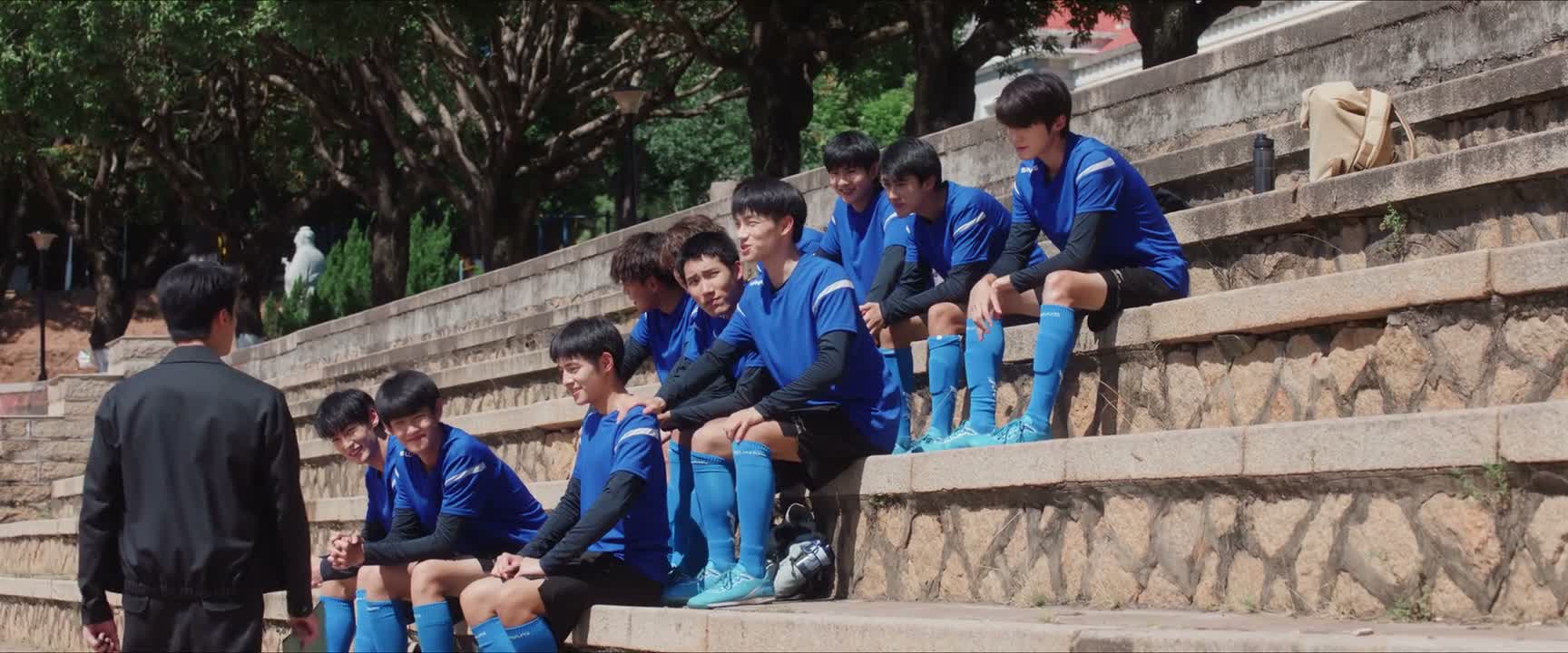
“Lu said you managed to woo Ms. Lin. Is it true?”
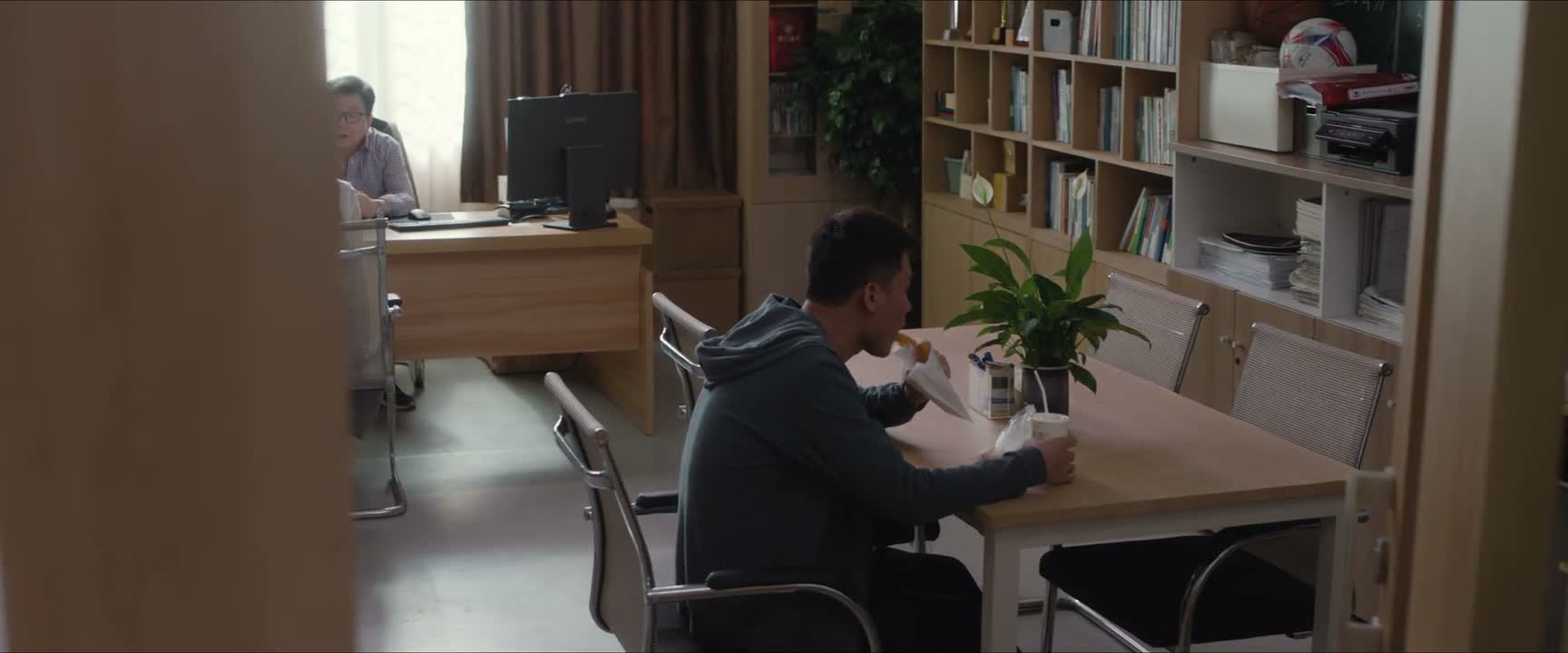
“Long time no see, Ms. Lin.”

“I didn't expect Ms. Lin to write all this down.”
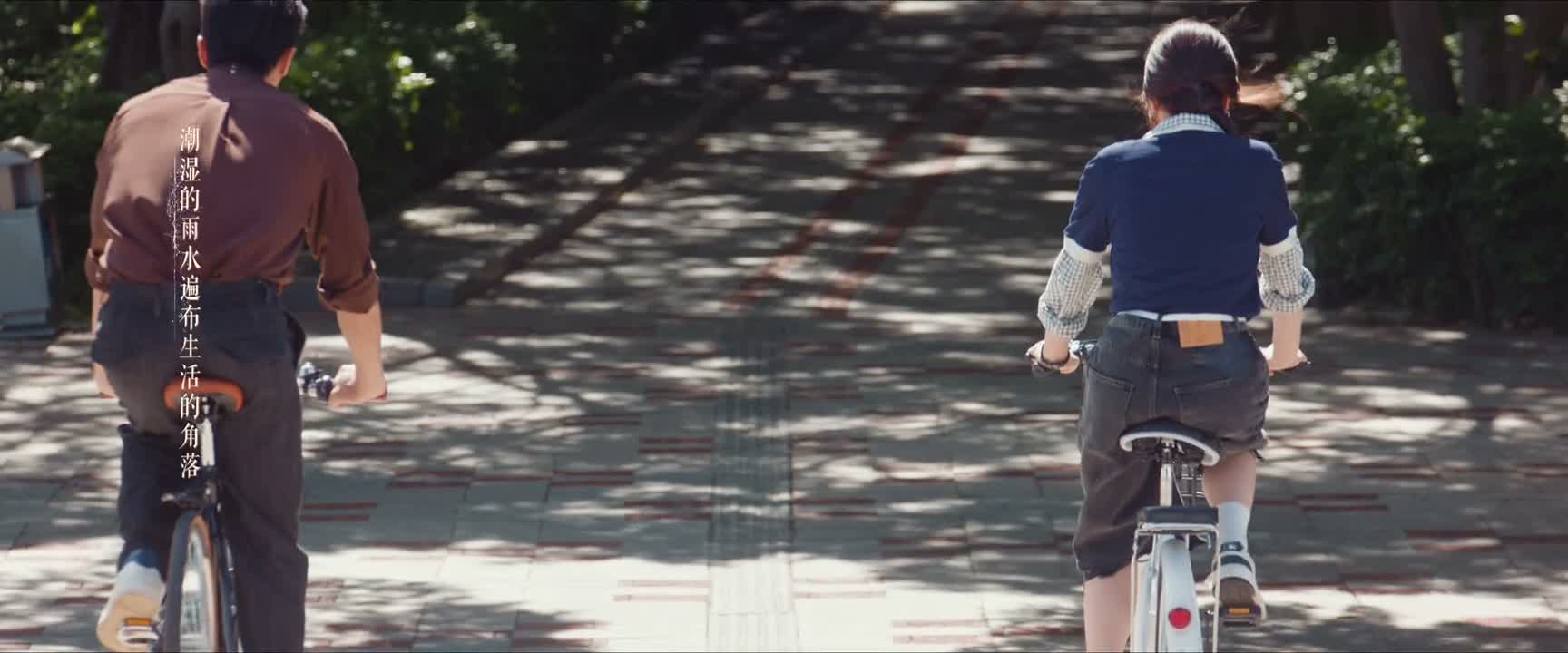
“♪ Rain falls around ♪ Ms. Lin's got big ambitions. Then I'll look forward to it. ♪ In your arms ♪”
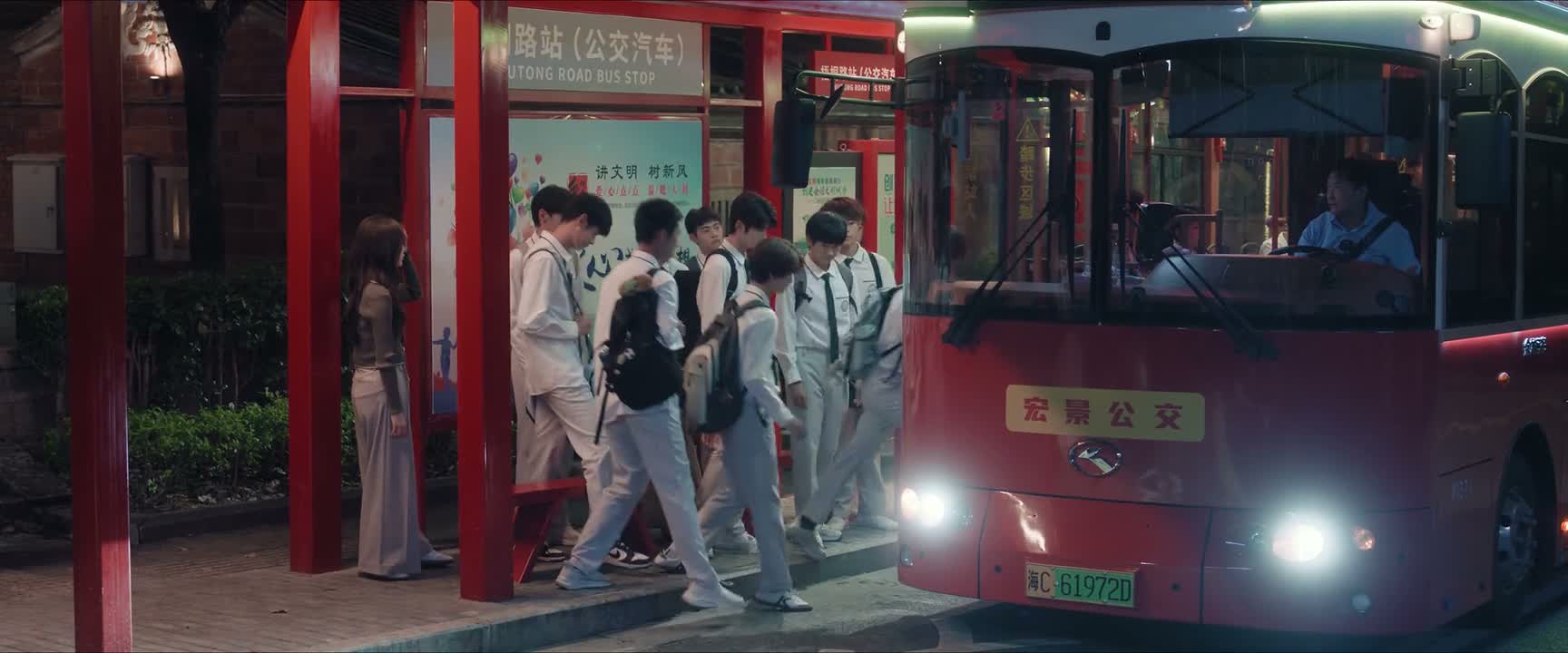
“Bye, Ms. Lin. Be careful. Ms. Lin.”
“Ms. Lin, Boss has changed so much.”