不是说好巳时到的吗 怎么这么早就来了
“I thought you arrive at the Si hour. Why are you here so early?”
THE DIALOGUE REEL
殿下 王妃
“Your Highness. Your Highness.”
不是说好 巳时到的 吗 怎么这么早就来了
“I thought you arrive at the Si hour. Why are you here so early?”
“Li couldn't wait at home. She wished to ride here overnight.”
“Didn't we agree on the Hour of Si? What made you come so early? (I'm pleasantly surprised to see you sooner than expected!)”
One of the twelve two-hour periods in ancient China, referring to 9:00 a.m. to 11:00 a.m., commonly heard in period dramas to indicate the time of day.
LEARNING CHUNKS & PARTICLES
didn't we agree to...?
A rhetorical structure commonly used to remind someone of an earlier agreement or to express playful disbelief and teasing.
why did someone do something so early
A common colloquial pattern used to express surprise that an action occurred earlier than anticipated.
Placed at the end of a sentence to form a question, pairing with rhetorical sentence structures to reinforce confirmation of an earlier agreement.
VOCABULARY & EXPRESSIONS
Parallel Spoken Cinema Scenes (语义近邻切片)

“Not at all. I was early.”

“[Gu] What time is it already? Why haven't they arrived yet?”

“I'm here quite early. It's not even 8 AM yet. You're here at a great time.”

“What do we do now, wait for the third ke?”

“What time is it now? Why hasn't breakfast been served?”
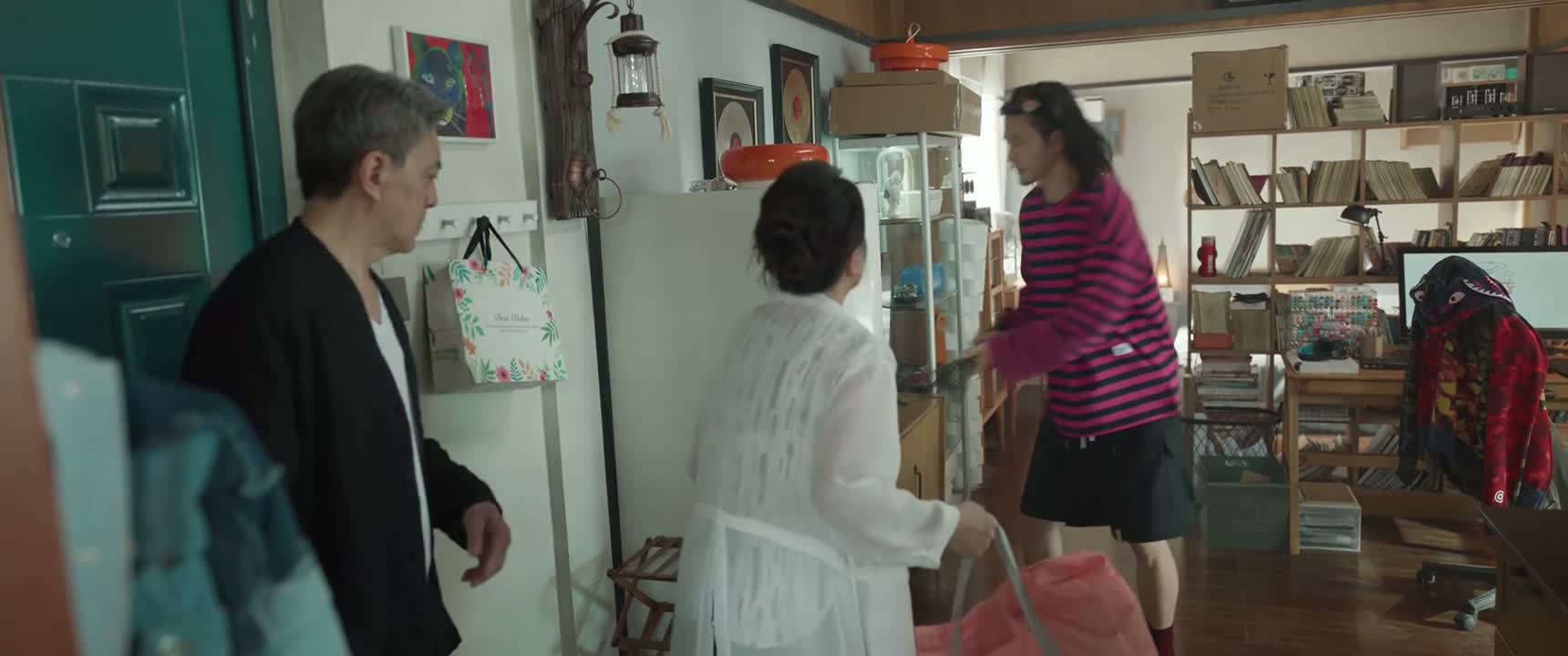
“You're early. What day is it today?”