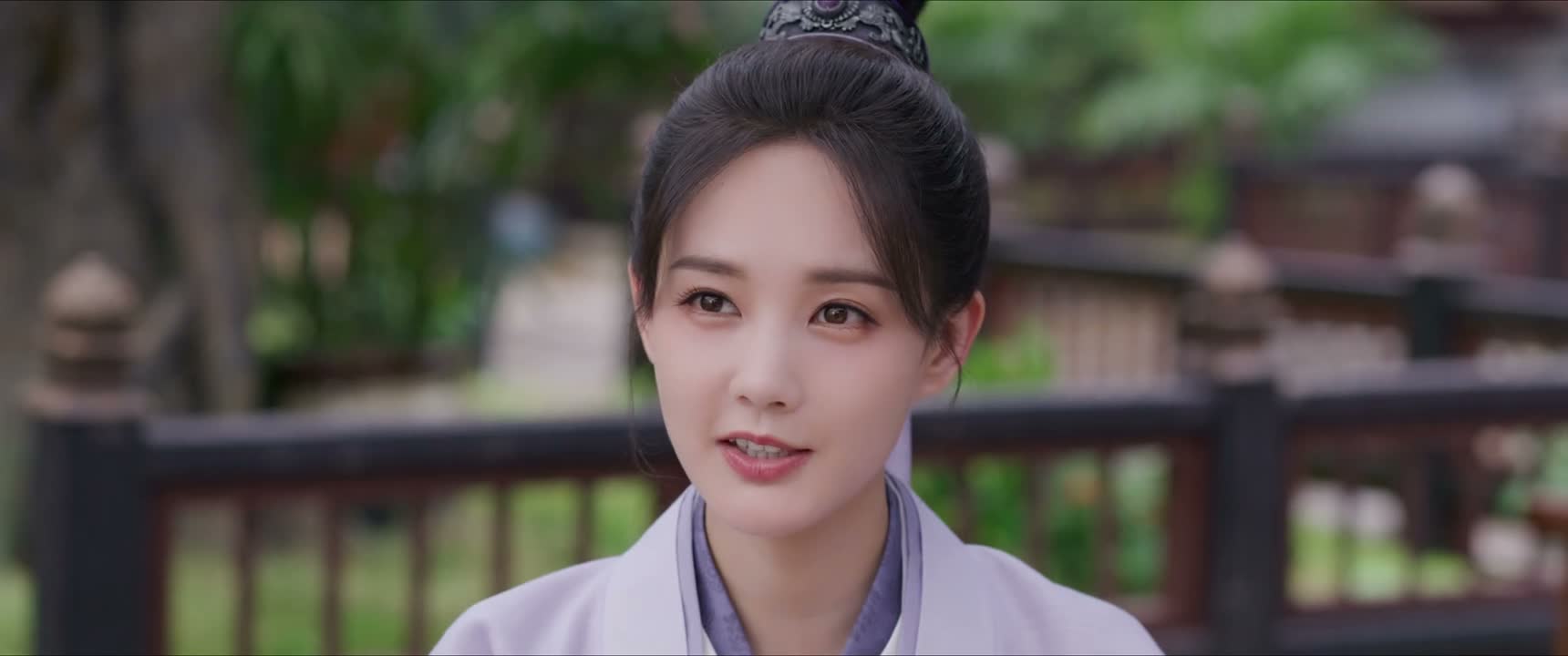
干嘛把氛围搞得这么紧张
“Why create so much tension?”
THE DIALOGUE REEL
开场白嘛
“That was just an opening line.”
干嘛 把 氛围 搞得 这么 紧张
“Why create so much tension?”
我本来还想夸一下
“I was going to compliment you”
“Lighten up, there's no need to make things so awkward and serious.”
In interpersonal interactions, Chinese people place great value on a harmonious and relaxed atmosphere ('fenwei', referring to collective mood and vibe). When a situation becomes overly tense or awkward, lighthearted teasing or joking is frequently used to break the ice and defuse the tension.
LEARNING CHUNKS & PARTICLES
why / why bother (used colloquially in a rhetorical or mildly complaining tone)
A highly frequent colloquial expression equivalent to 'why' or 'what for', often used to dissuade someone from doing something, express bewilderment, or tease playfully.
to make or cause something to end up in a certain (usually negative or unintended) state
Commonly used in spoken Chinese to indicate that someone's behavior has brought about an uncomfortable or undesirable situation or outcome.
VOCABULARY & EXPRESSIONS
Parallel Spoken Cinema Scenes (语义近邻切片)

“What are you all doing? Why is the mood so tense?”

“As the atmosphere is like this,”
“Why are you so nervous?”

“Why are you all so nervous?”