在别人家打坏东西
“When you break something in someone else's house,”
THE DIALOGUE REEL
是
“Yes, sir!”
在别 人家 打坏东西
“When you break something in someone else's house,”
“the least you can do is apologize, right?”
“You broke something in someone else's house—you owe them an apology at the very least.”
In Chinese social culture, guest etiquette emphasizes 'ke sui zhu bian' (adapting to the host's arrangements) and respecting the host's property. If one accidentally damages someone else's belongings, offering an immediate, sincere apology and proposing compensation is considered the absolute baseline of good manners and upbringing.
LEARNING CHUNKS & PARTICLES
to break or damage things
A common colloquial verb-result compound phrase, where 'da' indicates the action and 'huai' indicates the resulting broken or damaged state.
at least; at the very least
Used in spoken Chinese to express a baseline requirement or basic common sense, often introducing a standard the speaker feels must be met.
VOCABULARY & EXPRESSIONS
Parallel Spoken Cinema Scenes (语义近邻切片)
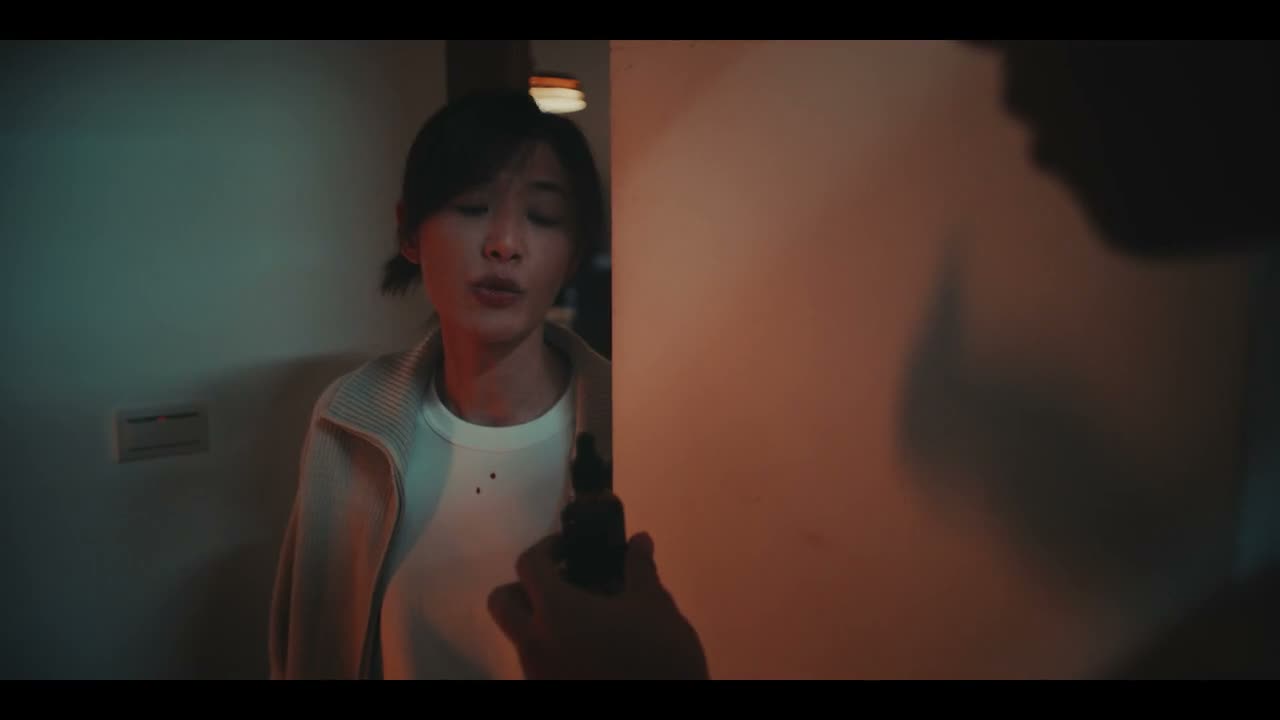
“Don't touch other people's stuff.”

“For another family, this could be a catastrophe that bankrupts them.”

“men who use petty tricks behind my back.”

“and I can bully others.”
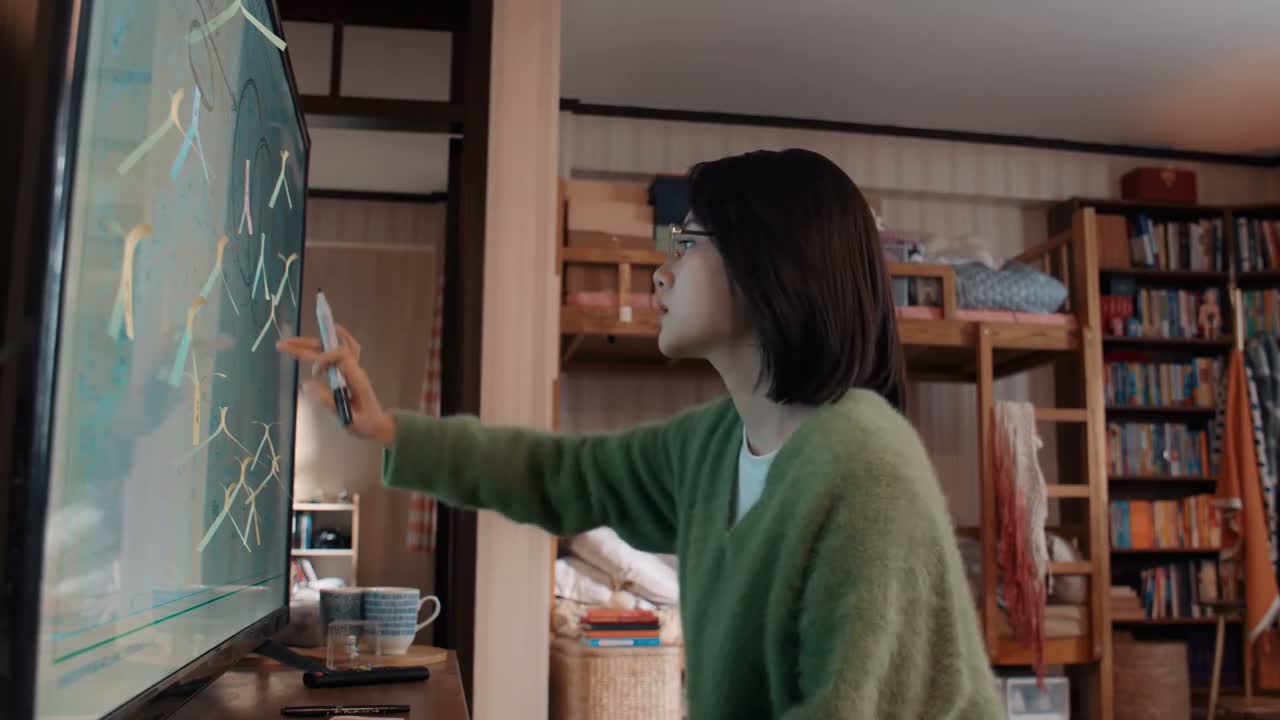
“them staying at someone's house.”
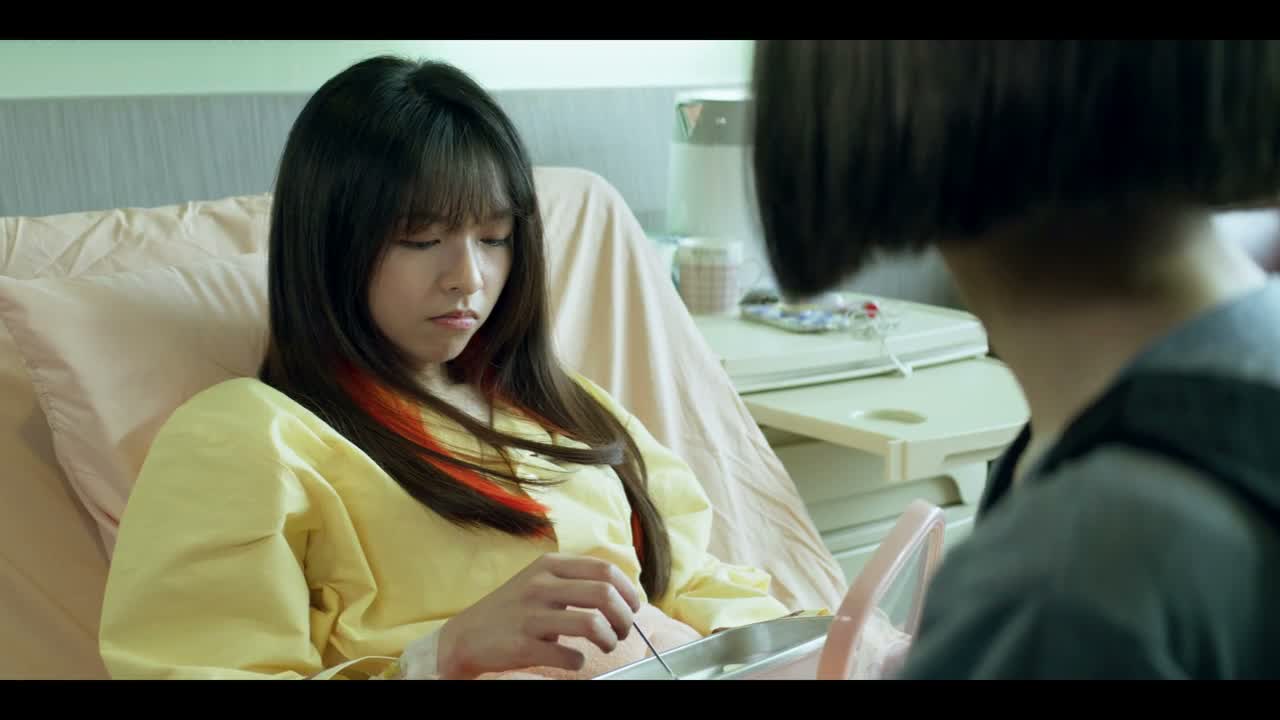
“and if anyone is bullying you.”