最起码应该说声抱歉吧
“the least you can do is apologize, right?”
THE DIALOGUE REEL
“When you break something in someone else's house,”
最起码 应该说 声 抱歉 吧
“the least you can do is apologize, right?”
抱歉呀 田先生 角谷君太不小心了
“My apologies, Mr. Tian. Mr. Kakutani was too careless.”
“You should at least have the decency to apologize.”
In Chinese culture, proactively apologizing and offering compensation after accidentally damaging something at a host's home is considered fundamental manners. If the host or a companion has to remind someone by saying 'zui qi ma ying gai...' (at the very least, you should...), it implies that the person's behavior has breached basic courtesy and damaged social decorum and face.
LEARNING CHUNKS & PARTICLES
at least; at the very least
A common spoken adverb used to set a minimum requirement or baseline expectation, as in 'zui qi ma ni yao gao su wo yi sheng' (at the very least you should let me know).
to say sorry; to offer an apology
The pattern 'shuo sheng + noun/verb' is a high-frequency colloquial construction used for brief verbal gestures, such as 'shuo sheng xie xie' (say thank you) or 'shuo sheng zai jian' (say goodbye).
Used in an imperative or consultative tone; while superficially softening the delivery, it conveys subtle urging, reproach, and implicit pressure.
VOCABULARY & EXPRESSIONS
Parallel Spoken Cinema Scenes (语义近邻切片)

“And, telling you sorry alone”
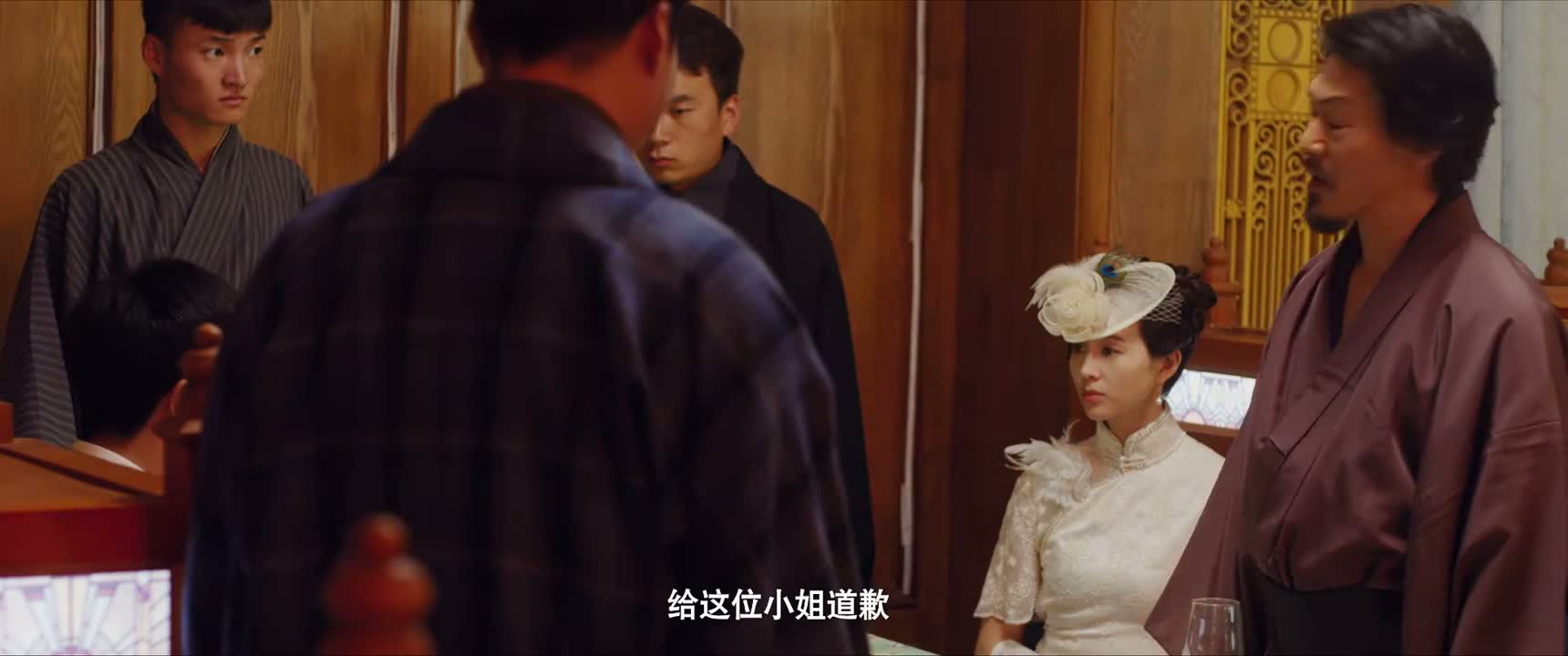
“Apologize to this lady.”

“I owe you an apology.”
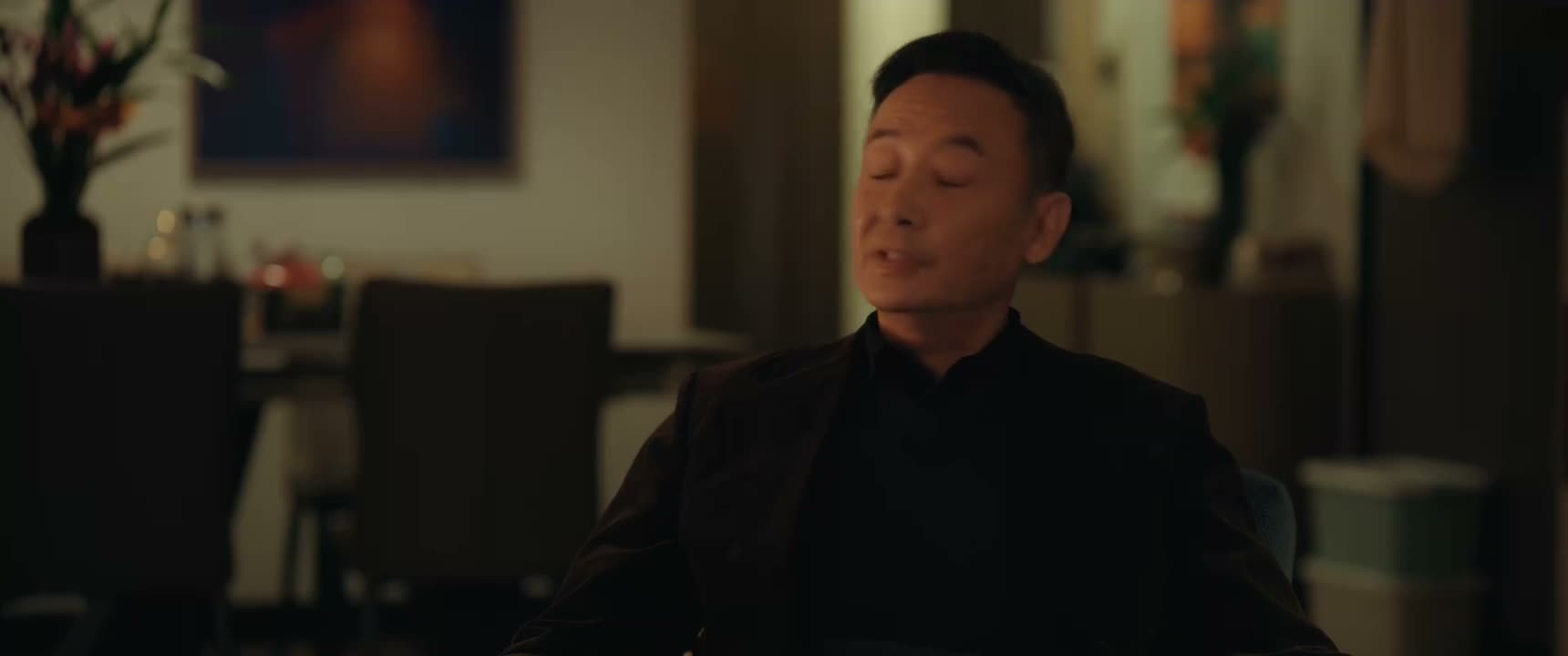
“Second, as Dongming's father, I must apologize to you.”

“I'd like to apologize to you for the previous remarks.”

“to offer our sincerest apology.”