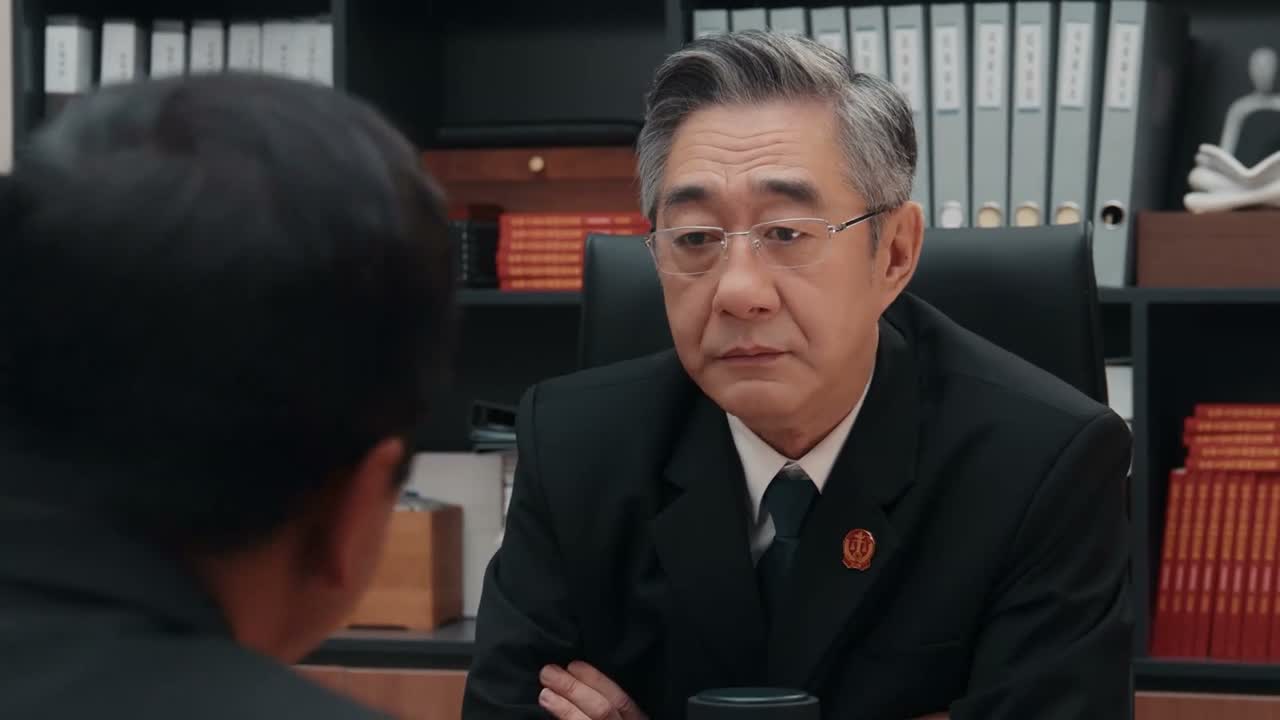
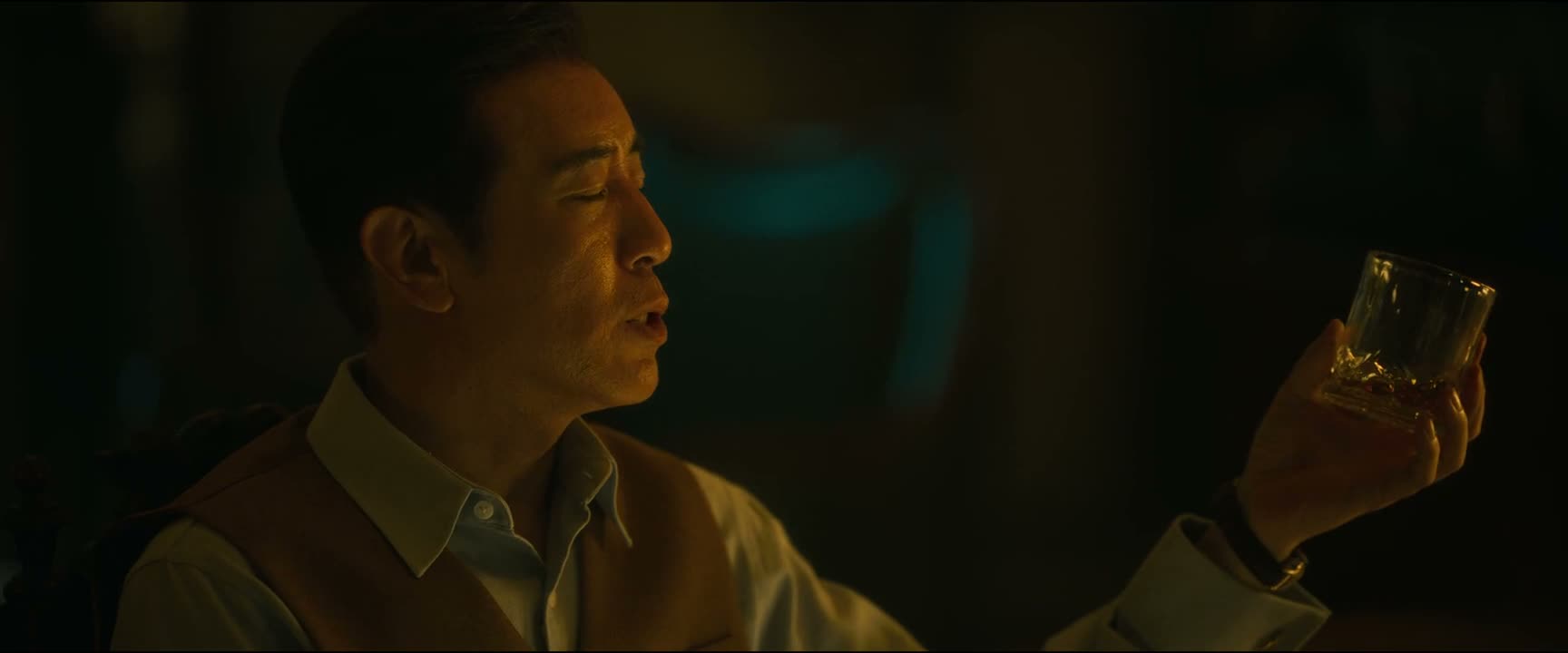
那个 其实我的意思是 就是
“I mean, what I really meant was…”
THE DIALOGUE REEL
我开玩笑的啦
“I was just joking.”
那个 其实 我的意思是 就是
“I mean, what I really meant was…”
就
“- Just... - Sorry.”
“Well, what I actually mean is... um, you know...”
In spoken Chinese communication, chaining filler words like 'na ge' (um), 'qi shi' (actually), and 'jiu shi' (that is/just) often signals that the speaker feels interpersonal tension or awkwardness, cautiously hedging to avoid causing offense or showing embarrassment.
LEARNING CHUNKS & PARTICLES
actually, what I mean is; a common transitional phrase to correct misunderstandings and clarify one's true intent
A very high-frequency spoken metadiscursive phrase, typically used to recover and clarify when one notices a misunderstanding or feels they did not express themselves clearly.
well... like...; um... that is...
Spoken filler phrases used to buy time to organize thoughts when hesitating, thinking, or finding it difficult to broach a topic.