你做了什么自己不清楚吗
“Don't you know what you did?”
THE DIALOGUE REEL
我做错什么了
“Did I do something wrong?”
你 做了什么自己不清楚吗
“Don't you know what you did?”
“I don't know what you're talking about. What's going on?”
“Stop playing dumb, you know exactly what you did.”
During interpersonal conflicts in Chinese communication, the accuser often assumes the other party knows their wrongdoing full well. Using rhetorical questions to press them to admit fault reflects a pattern of applying implicit pressure or releasing pent-up resentment.
LEARNING CHUNKS & PARTICLES
aren't you well aware yourself?
A common rhetorical pattern used to accuse someone who knows full well what they did, yet intentionally evades responsibility or plays dumb.
Placed at the end of a sentence to form a rhetorical question, strengthening the tone of reproach and discontent rather than genuinely asking for an answer.
VOCABULARY & EXPRESSIONS
Parallel Spoken Cinema Scenes (语义近邻切片)

“You know exactly what you did.”

“Don't you know what you've done?”
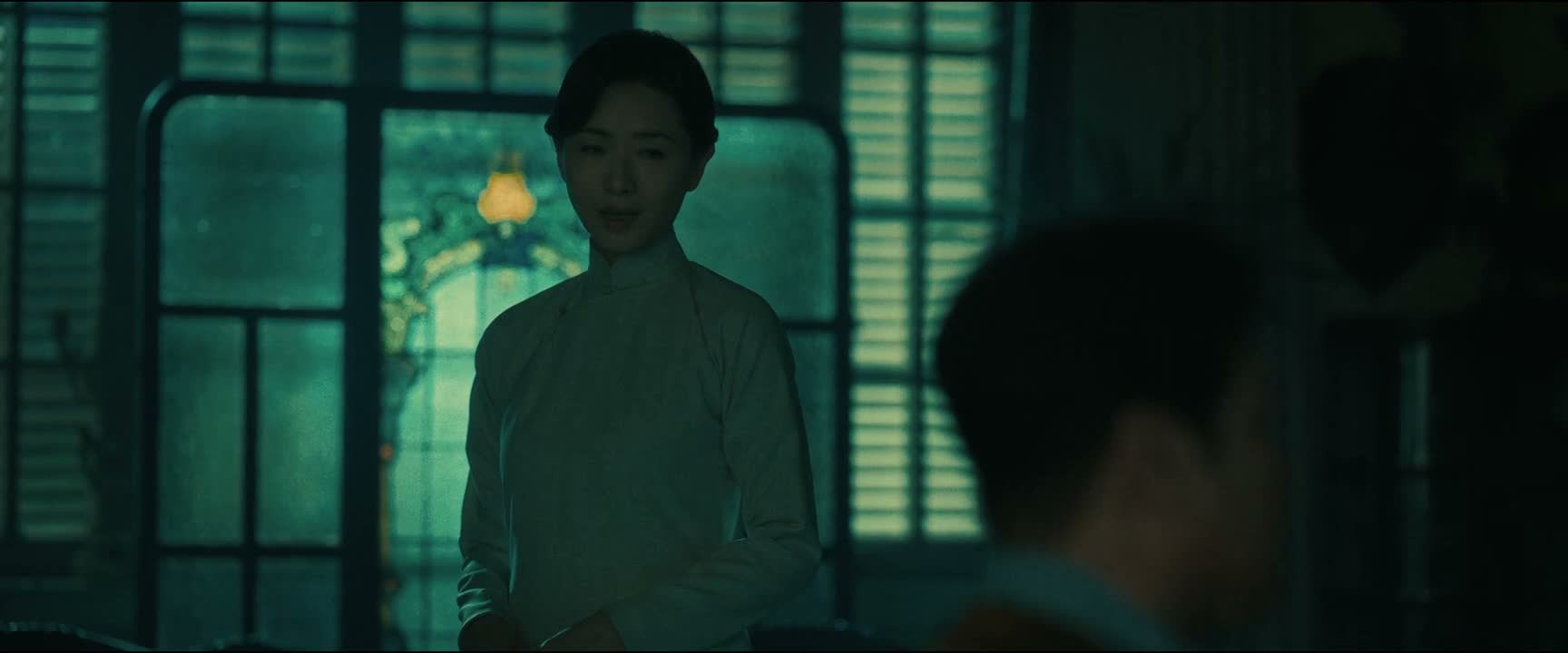
“whether he knew what he was doing?”
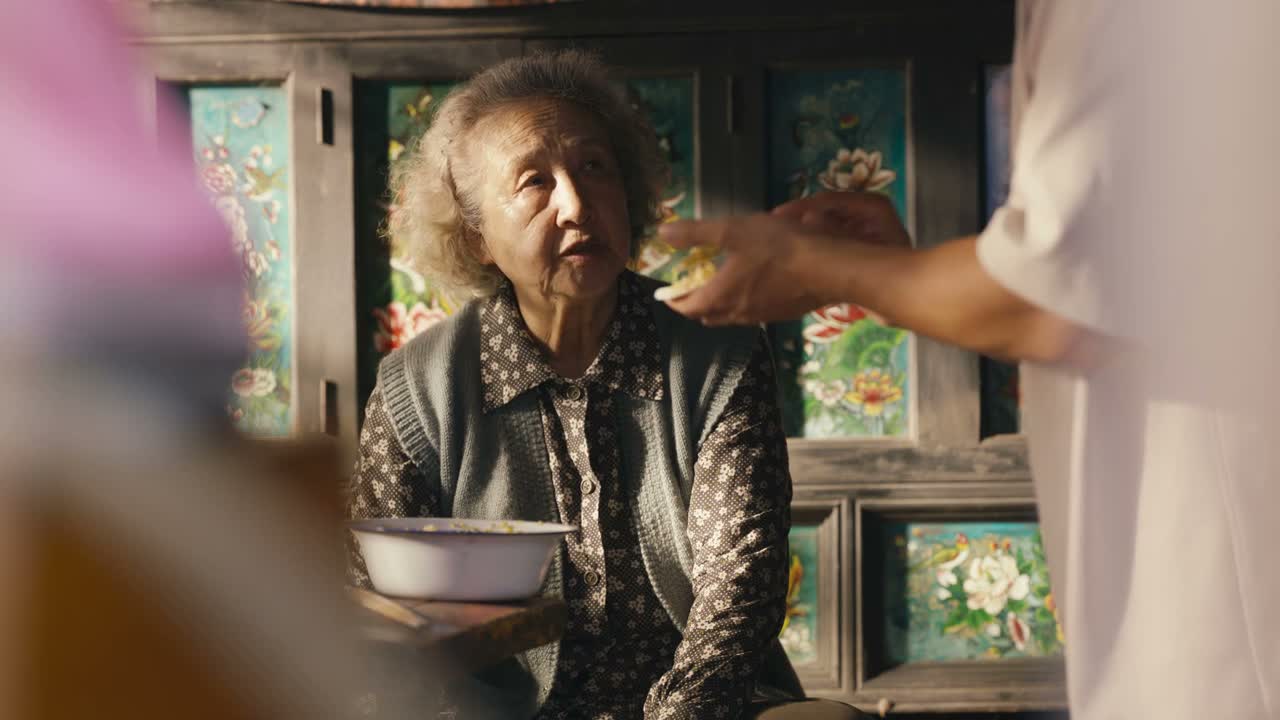
“Do you know what you've done?”
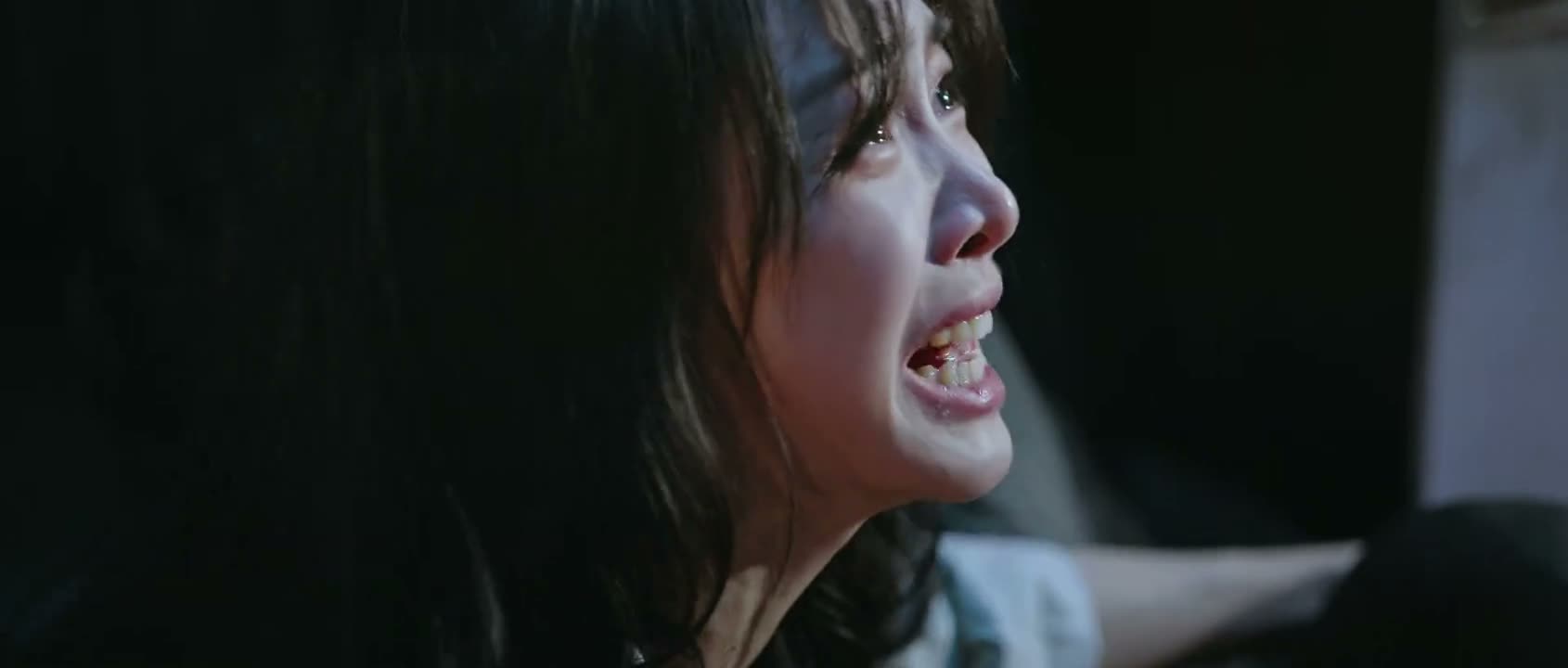
“Do you realize what you're doing?”

“You don't know what to do now.”