他知不知道自己在做什么
“whether he knew what he was doing?”
THE DIALOGUE REEL
唐吉诃德在挑战风车的时候
“when Don Quixote charged at the windmills,”
他 知不知道自己在做什么
“whether he knew what he was doing?”
“How does that line about him go again?”
“Did he actually realize the absurdity and consequence of what he was doing, or was he purely blinded by his own delusion?”
Originating from Cervantes's novel 'Don Quixote', this metaphor in Chinese contexts often describes absurd, unrealistic actions by someone overestimating their abilities, or symbolizes a tragic chivalric spirit of persistently pursuing ideals despite inevitable failure.
LEARNING CHUNKS & PARTICLES
to know what one is doing and be aware of the consequences
A common spoken rhetorical or probing pattern, often used to question someone who appears irrational or to express deep self-reflection.
VOCABULARY & EXPRESSIONS
Parallel Spoken Cinema Scenes (语义近邻切片)

“Don't you know what you did?”

“Do you even know who you are?”

“do you realize how amazing you are?”

“Do you know what you're talking about? You let me go.”
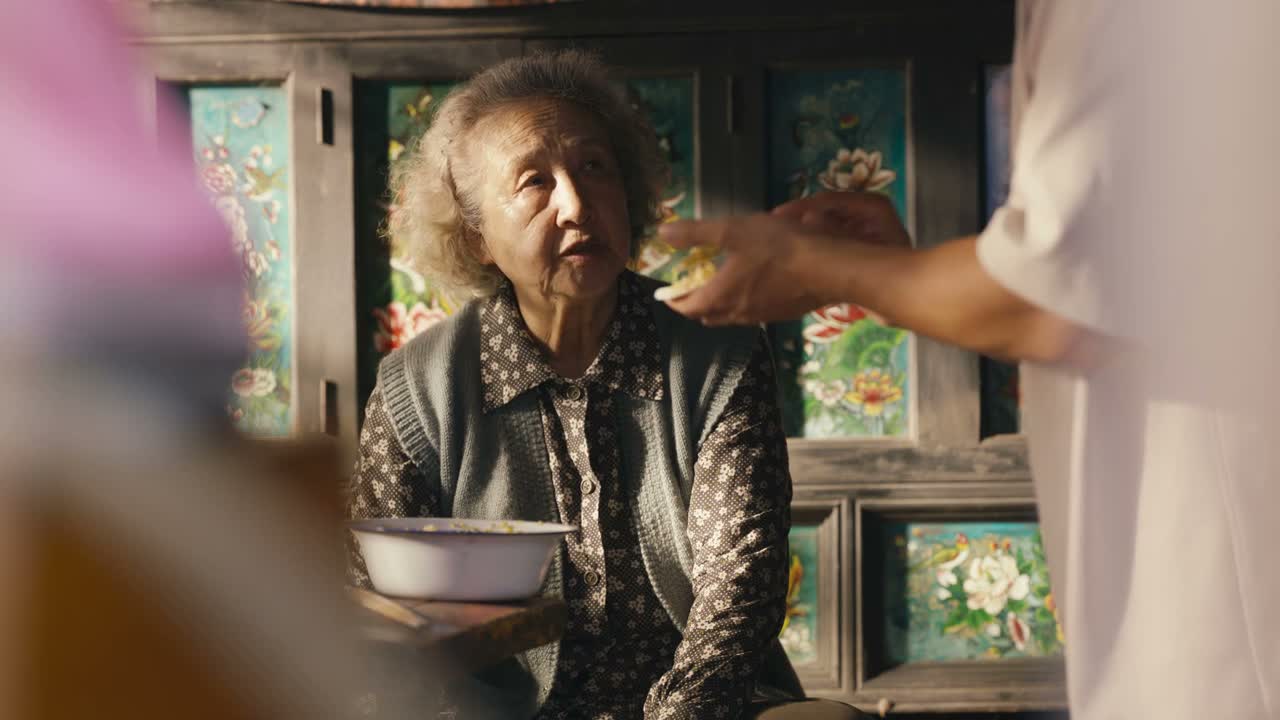
“Do you know what you've done?”
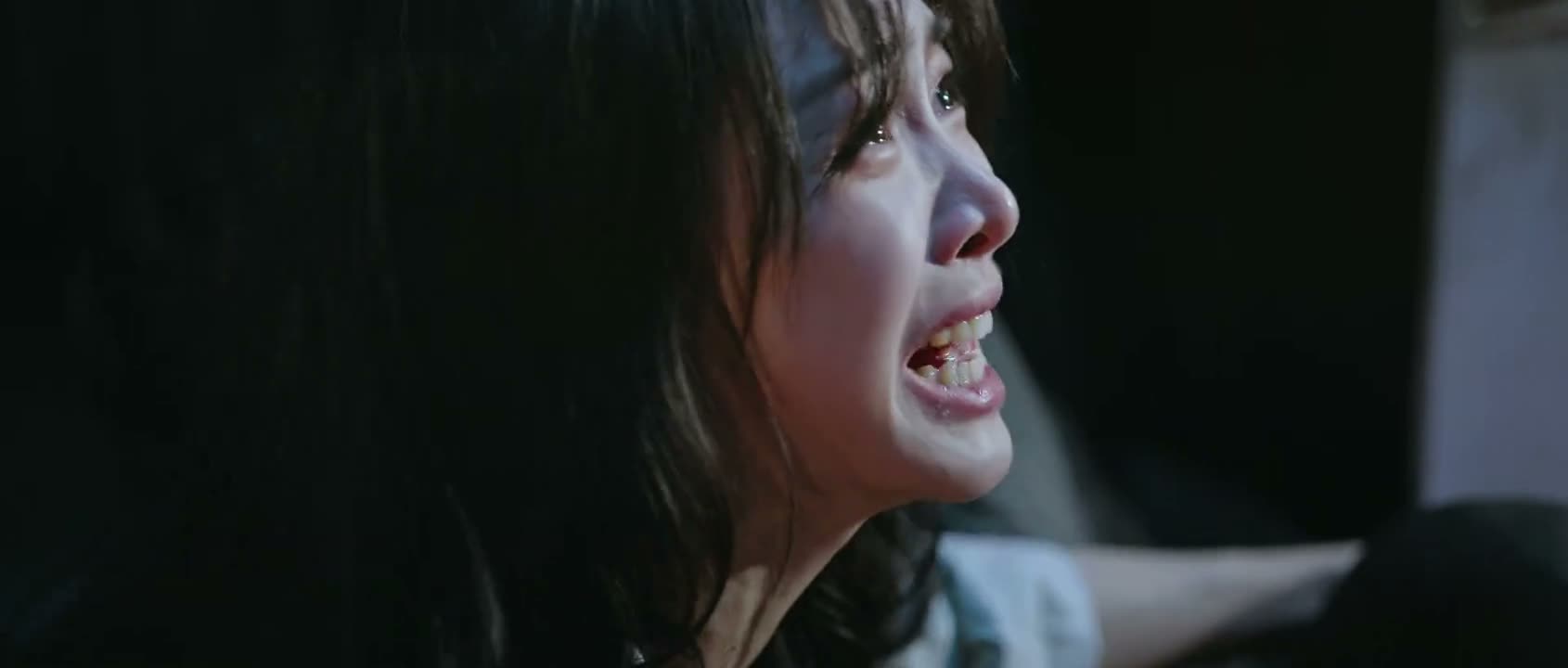
“Do you realize what you're doing?”

“do you even hear yourself?”

“Do you have any idea what you're doing? You, the heir of a marquisate,”

“Do you know what you're saying?”

“Do you know what is going on right now?”

“You don't even know what you did wrong?”

“Do you know what you're doing?”

“Do you know what you are doing?”