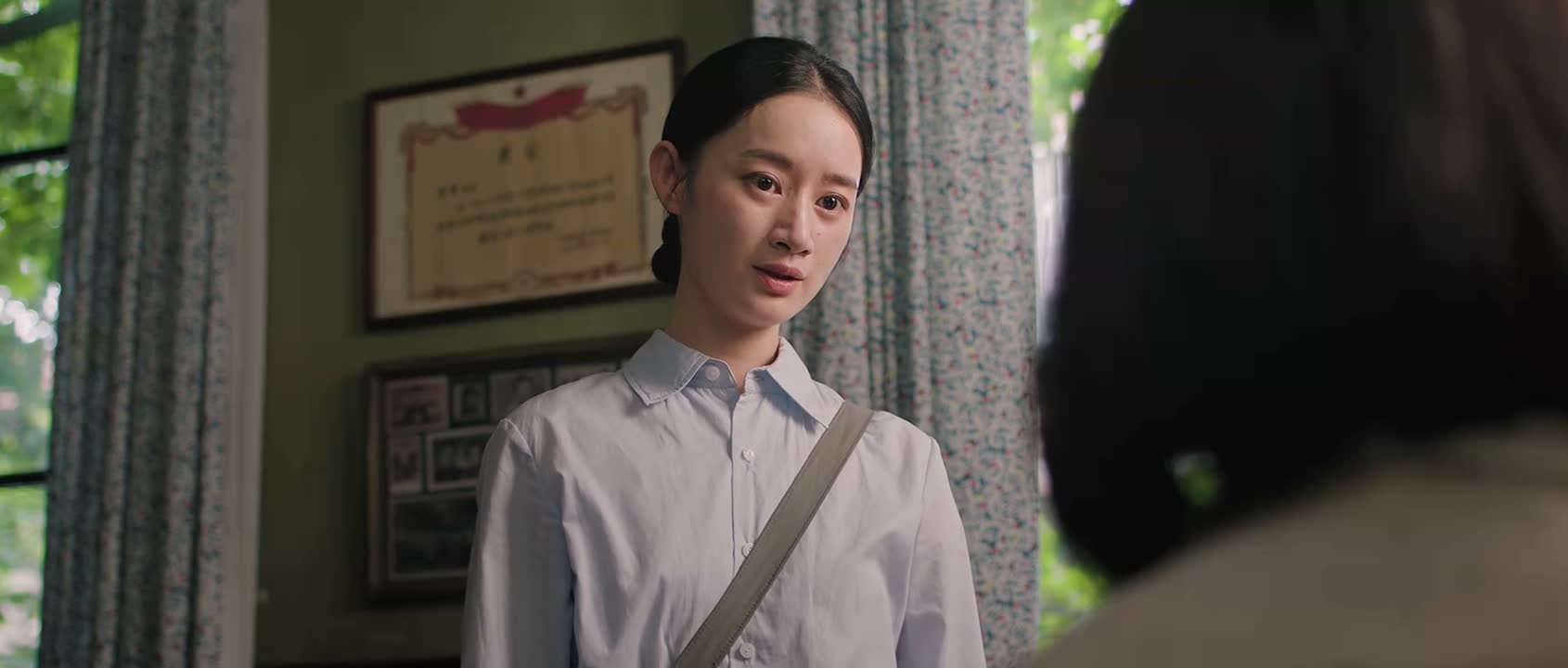
咋的周芸那个钢笔 是给的你俩呀
“Zhou Yun gave that pen to both of you?”
THE DIALOGUE REEL
是给了我跟柏庶两个人
“Ms. Zhou gave that pen to both Bai Shu and me back then.”
咋的 周芸 那个 钢笔 是给的 你俩 呀
“Zhou Yun gave that pen to both of you?”
你还有柏庶啊 对呀 要不我咋可能
“You and Bai Shu? Yeah, that's why I recognized it at first glance.”
“Wait, so Zhou Yun gave that fountain pen to both of you? What's the real story there?”
In Chinese social interactions (especially in the past or among intellectuals), fountain pens often served as gifts conveying recognition, commemoration, or special favor. Giving a pen to someone usually held symbolic meaning and easily piqued the curiosity of others.
LEARNING CHUNKS & PARTICLES
What's up; what's going on; a common spoken expression in Northeast Mandarin.
Mostly used at the start of a sentence to pose a question with a tone of surprise, curiosity, or casual inquiry.
Used to emphasize a specific element of a sentence (here emphasizing the recipient of the action).
The construction 'shi gei de ni lia' reinforces confirmation regarding the identity of the recipients.
Placed at the end of a question to soften the tone, conveying curiosity and an inquisitive, gossipy nuance.
VOCABULARY & EXPRESSIONS
Parallel Spoken Cinema Scenes (语义近邻切片)

“First possibility is that Ge Wenjun didn't know Zhou Yun had already left. She thought she was still at school.”

“The complaint letter was sent after Zhou Yun left, right?”

“However, Zhou Yun is definitely a key figure.”

“No problem. But not a pen.”

“(And Ge Wenjun makes no effort to hide her dislike for Zhou Yun.)”
“When you grow up and write in ink,”