那都没问题 就拿笔杆子真不行
“No problem. But not a pen.”
THE DIALOGUE REEL
你哥这双手 拿锄头拿镰刀 拿锅铲大勺
“these hands of mine can handle a hoe, a sickle, a wok spatula, or a big ladle.”
那都 没问题 就 拿笔杆子 真不行
“No problem. But not a pen.”
我天天看着大家忙忙活活的我就
“Every day I watched everyone running around busy,”
“I am a laborer, not a writer; please stop making me do desk work.”
In 20th-century Chinese grassroots society, 'holding the pen' symbolized elite intellectual work, often feared by ordinary laborers who preferred physical duty.
LEARNING CHUNKS & PARTICLES
doing desk work or writing tasks
A colloquial idiom representing literary, clerical, or propaganda work as opposed to manual labor.
really incapable / genuinely no good at something
A casual, direct way to admit one's limits or inability.
VOCABULARY & EXPRESSIONS
Parallel Spoken Cinema Scenes (语义近邻切片)

“I don't even have the right to hold a pen.”

“If there's no problem, sign here. There's no problem.”

“Holding a pen isn't the same as holding a ladle.”

“Now suddenly I'm handling the writing,”

“How's it? Is there anything wrong? No.”
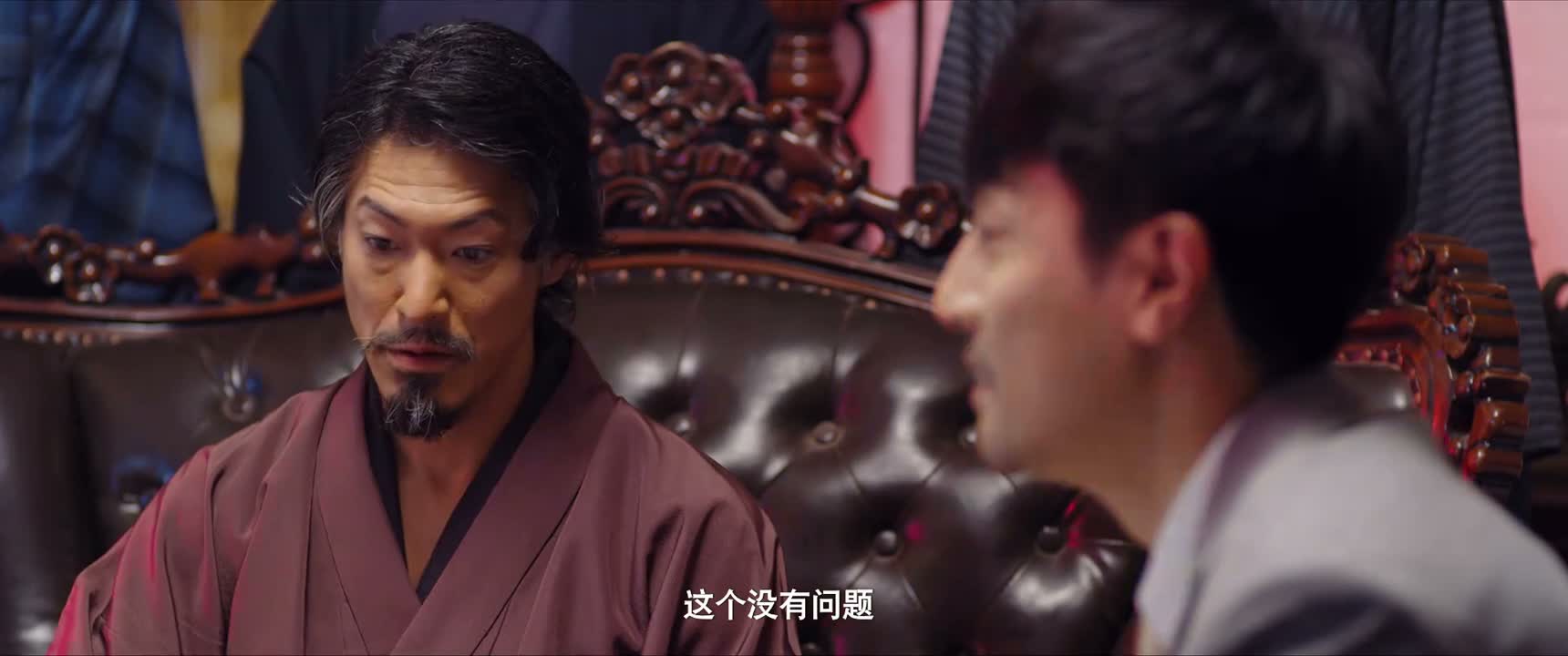
“That's no problem.”