完了再一个那个我家里嘛
“And then, well, my family... My dad farms... You know?”
THE DIALOGUE REEL
你也老替我扛着
“always causes trouble, and you always cover for me.”
完了再一个那个我家里嘛
“And then, well, my family... My dad farms... You know?”
“And then, well, my family... My dad farms... You know?”
“And on top of that, you know how things are with my family—I'm dealing with family burdens.”
In interpersonal communication, Chinese people often attribute personal difficulties to their family of origin or burdens from elder relatives (such as an elderly father still farming), using this as a socially acceptable excuse to deflect blame or as a way to show vulnerability and elicit sympathy.
LEARNING CHUNKS & PARTICLES
furthermore; another thing is (listing an additional reason)
An extremely common logical transition in Northern spoken Chinese, typically used after stating one reason to introduce a second reason or supplementary explanation.
and then; afterwards
Used as a colloquial conjunction in Northern Chinese dialects, equivalent to 'ranhou' (and then) in Standard Mandarin, serving to connect sequential events or statements.
Used at a mid-sentence or clause pause to prompt what follows or to indicate that one's family situation is an obvious, understood fact, subtly seeking the listener's empathy.
VOCABULARY & EXPRESSIONS
Parallel Spoken Cinema Scenes (语义近邻切片)
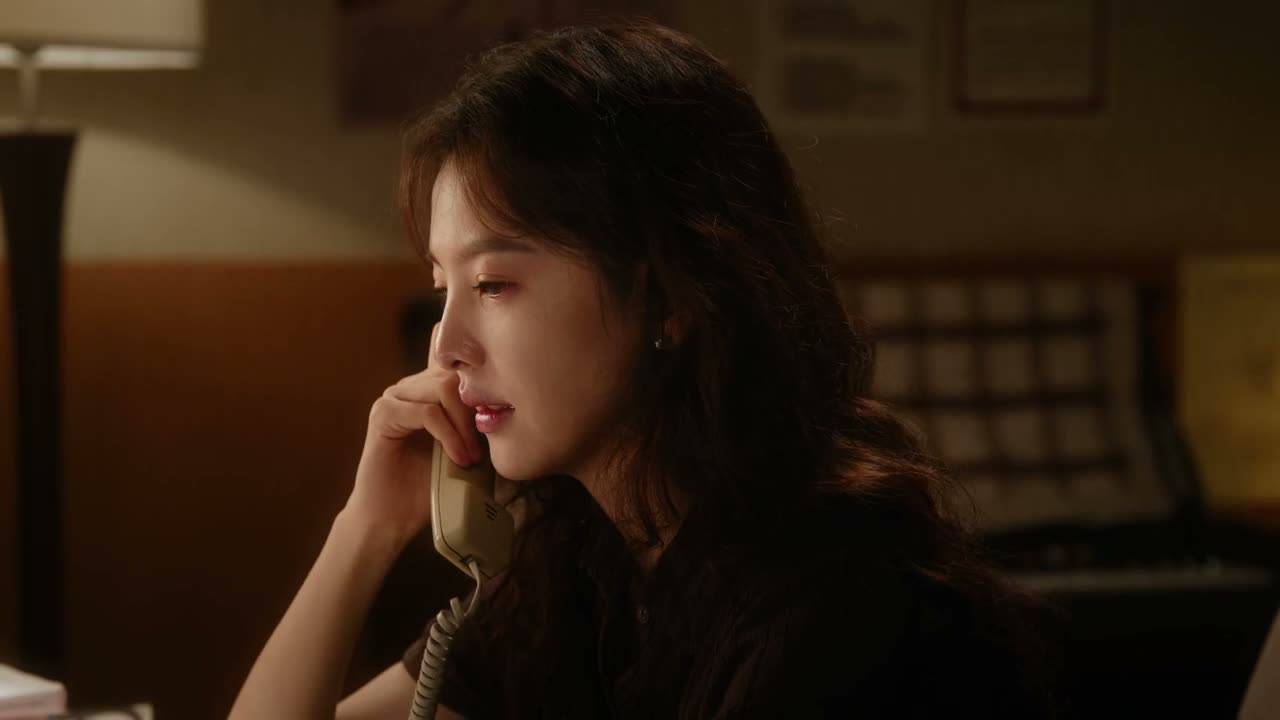
“I need to stay here for another while.”
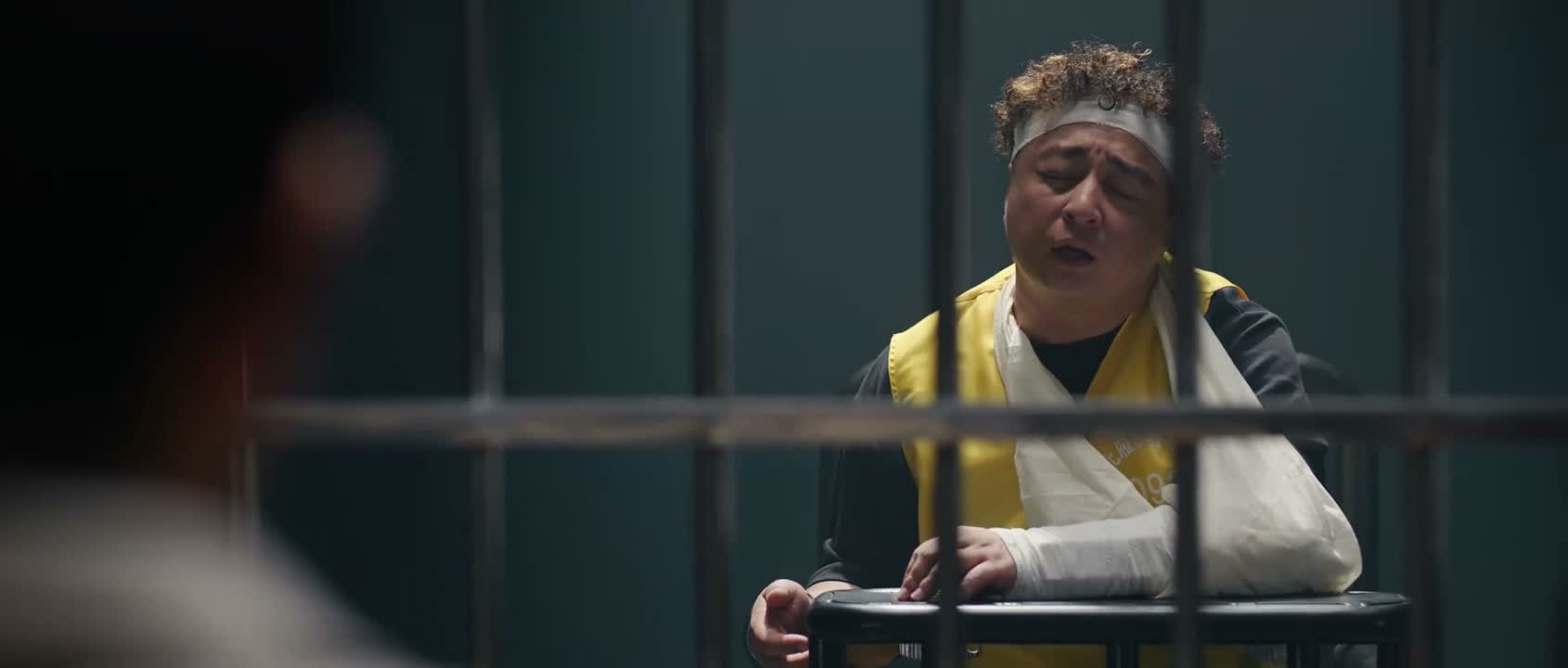
“Then I'll say it again.”
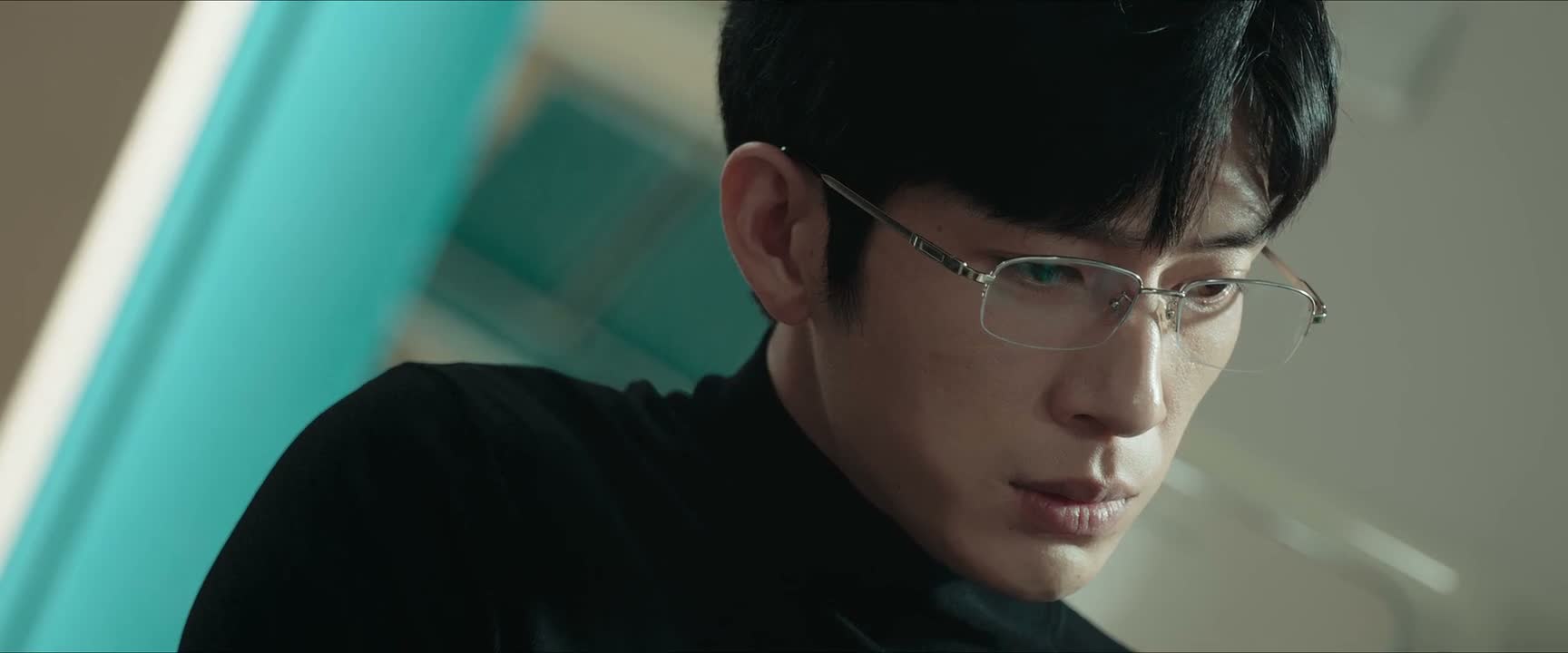
“I'll say it again.”
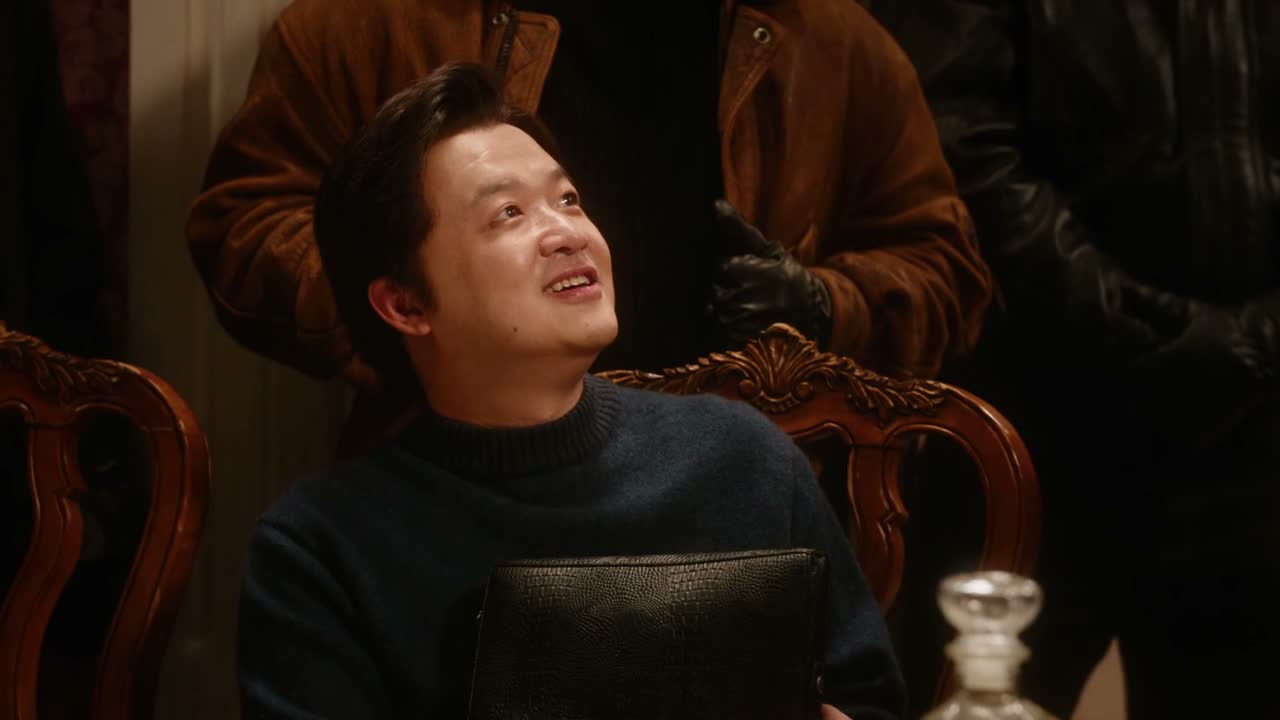
“But I have to say this again:”

“Nothing more.”

“I'm going to say this one last time.”