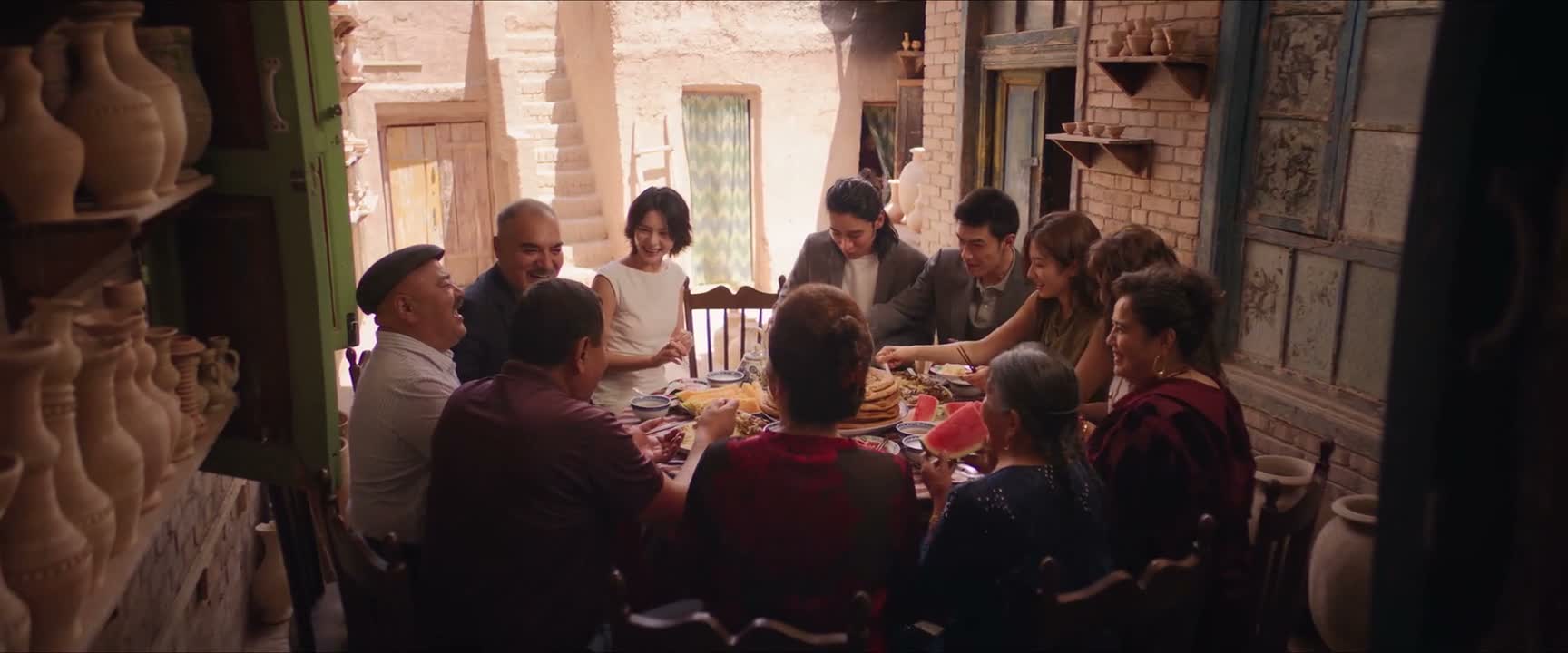
我一直想尝尝您的这个手艺
“No need to say 'please.' I've been wanting to try your cooking.”
THE DIALOGUE REEL
您别说请
“No need to say 'please.' I've been wanting to try your cooking.”
我一直想尝尝您的这个手艺
“No need to say 'please.' I've been wanting to try your cooking.”
而且广才说了
“And Guangcai mentioned he's been craving your noodles since he was a kid.”
“I'm genuinely flattered to be invited and really looking forward to your cooking.”
In Chinese culture, food is deeply tied to social etiquette, and home cooking skills are respectfully referred to as 'shouyi' (craftsmanship). When a guest says they 'want to taste your cooking craft', it not only compliments the host's culinary skills, but also serves as a classic social courtesy to humble oneself, build rapport, and express gratitude.
LEARNING CHUNKS & PARTICLES
to taste someone's cooking; to sample someone's culinary skills
A high-frequency dining etiquette phrase used to politely compliment the cook's culinary skills and express anticipation.
have always wanted to...
Used to emphasize a long-held wish or anticipation, which effectively flatters and pleases the listener.
VOCABULARY & EXPRESSIONS
Parallel Spoken Cinema Scenes (语义近邻切片)

“He's actually pretty good at it.”

“It's not like you haven't tasted my cooking.”
“Her cooking just keeps getting better.”

“Let's try his cooking!”

“Impressive craftsmanship.”

“My cooking is exceptional.”