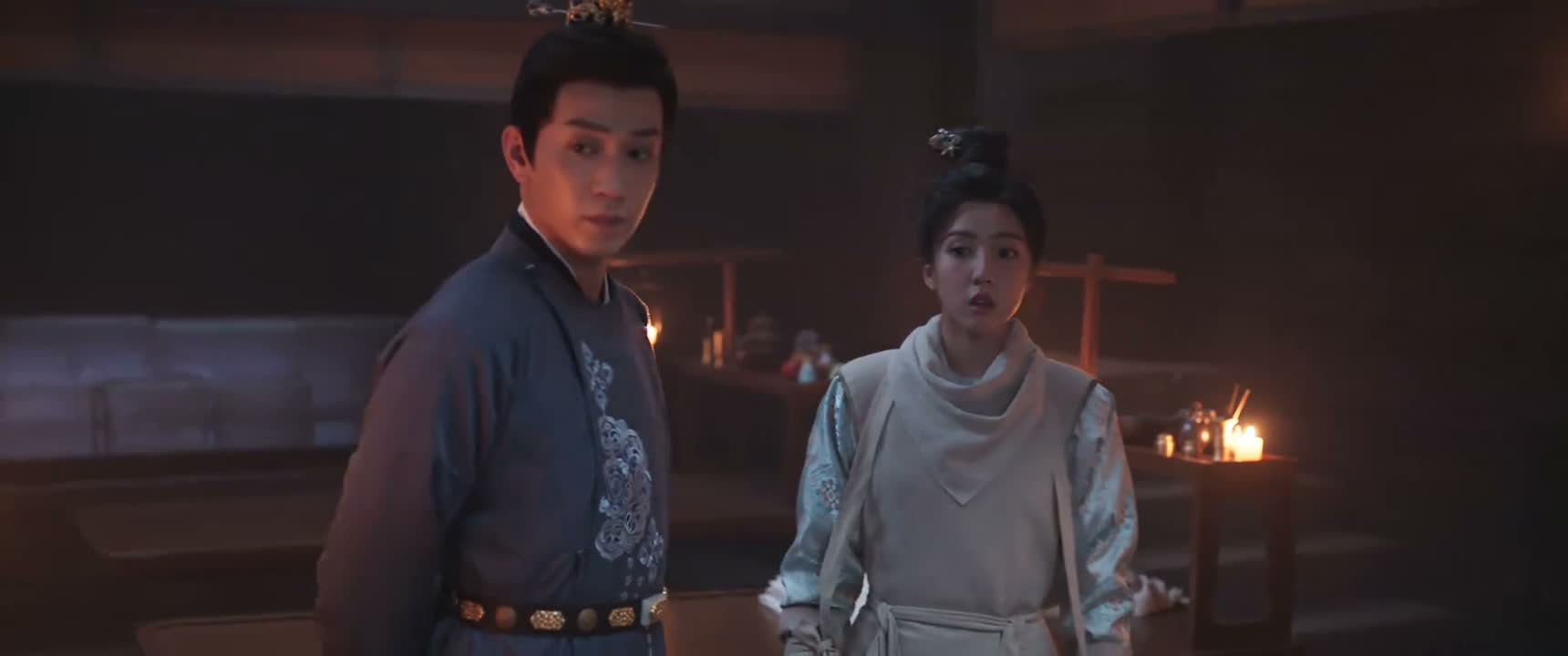
还是不能掉以轻心 要时刻做好准备
“We still can't let our guard down. We must be prepared at all times.”
THE DIALOGUE REEL
“We won't need the scenarios we rehearsed before, right?”
还是 不能 掉以轻心 要时刻 做好准备
“We still can't let our guard down. We must be prepared at all times.”
不过这里是盛城 杜兆基就算想捣乱
“But this is Shengcheng. Even if Du Zhaoji wants to cause trouble,”
“Don't let your guard down; we must stay alert and expect the worst at any moment.”
In Chinese slang and media contexts, 'pai lian xi ma' (rehearsing a dramatic scene) is often used metaphorically to refer to pre-rehearsed strategies, cover stories, or staged acts prepared in advance to deal with competition, conflict, or scrutiny.
LEARNING CHUNKS & PARTICLES
to let one's guard down; to treat something lightly or carelessly
Commonly used in negative constructions such as 'jue bu neng diao yi qing xin' (must never lower one's guard) as a warning or reminder to stay alert.
to get ready; to make adequate preparations in advance
A high-frequency collocation in both spoken and written Chinese, often paired with adverbs like 'shi ke' (at all times) or 'ti qian' (in advance).
VOCABULARY & EXPRESSIONS
Parallel Spoken Cinema Scenes (语义近邻切片)

“I can't afford to let my guard down.”
“(This isn't something to be taken lightly.)”

“but we still can't let our guard down.”

“none of it can be taken lightly. I need focus on driving.”

“you still can't let your guard down. You need to stay safe, okay?”

“But you also need to prepare for the worst.”