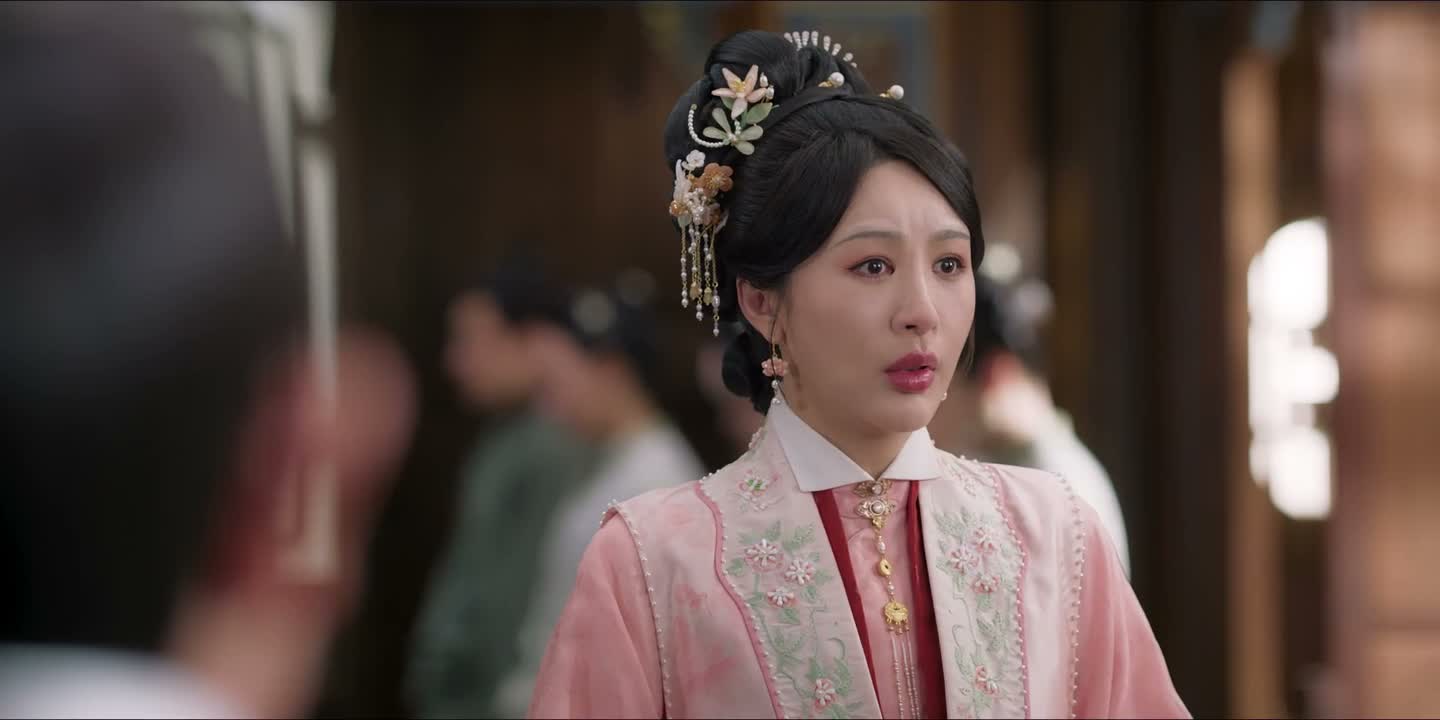
这么大的事我哪敢乱说呀
“I wouldn't dare talk about something this big.”
THE DIALOGUE REEL
为什么不在第一时间说
“Why didn't you say this earlier?”
这么大的事 我哪敢 乱说 呀
“I wouldn't dare talk about something this big.”
你不是不敢说
“It's not that you wouldn't dare.”
“Don't blame me; I was just being cautious because the stakes were too high.”
In hierarchical Chinese environments, claiming to stay silent out of caution (不敢乱说) is a common strategy to avoid being held accountable for leaks or bad news.
LEARNING CHUNKS & PARTICLES
such a serious/major issue
Used to emphasize the gravity and importance of a situation.
how would I dare / would never dare
A rhetorical phrase used to strongly deny any audacity or intentional wrongdoing.
talk recklessly / speak out of turn
Refers to spreading rumors, making baseless claims, or speaking without authority.
Adds an emotive, pleading tone to make the rhetorical question sound more innocent and wronged.
VOCABULARY & EXPRESSIONS
Parallel Spoken Cinema Scenes (语义近邻切片)

“Something this serious. Why didn't you tell me?”

“Why didn't you tell me about such a big thing at the time?”
“How dare you keep me in the dark about this?”

“How dare she do something like that?”

“You didn't even tell me about such a big thing? All right.”

“She kept something this big from me!”