你可以不喜欢我 但你不能看不起我
“you don't have to like me, but you can't look down on me.”
THE DIALOGUE REEL
叶峰
“Ye Feng,”
你可以 不喜欢我 但你 不能 看不起 我
“you don't have to like me, but you can't look down on me.”
什么叫把我塞给你 我是人 不是随随便便什么东西
“Why do you mean "push me onto you"? I'm a person, not some object.”
Direct spoken expression in this communicative setting.
In Chinese culture, while emotional preference is respected as personal freedom, actively displaying contempt or trampling on someone's dignity violates essential social morality.
LEARNING CHUNKS & PARTICLES
to look down upon; to despise
A very common verb in spoken Chinese used to express feeling disrespected or underestimated.
you can..., but you cannot...
A powerful rhetorical structure used to establish clear personal boundaries and moral limits.
VOCABULARY & EXPRESSIONS
Parallel Spoken Cinema Scenes (语义近邻切片)

“You don't have to like me, but don't set me up with anyone.”

“You don't like me and that is normal.”
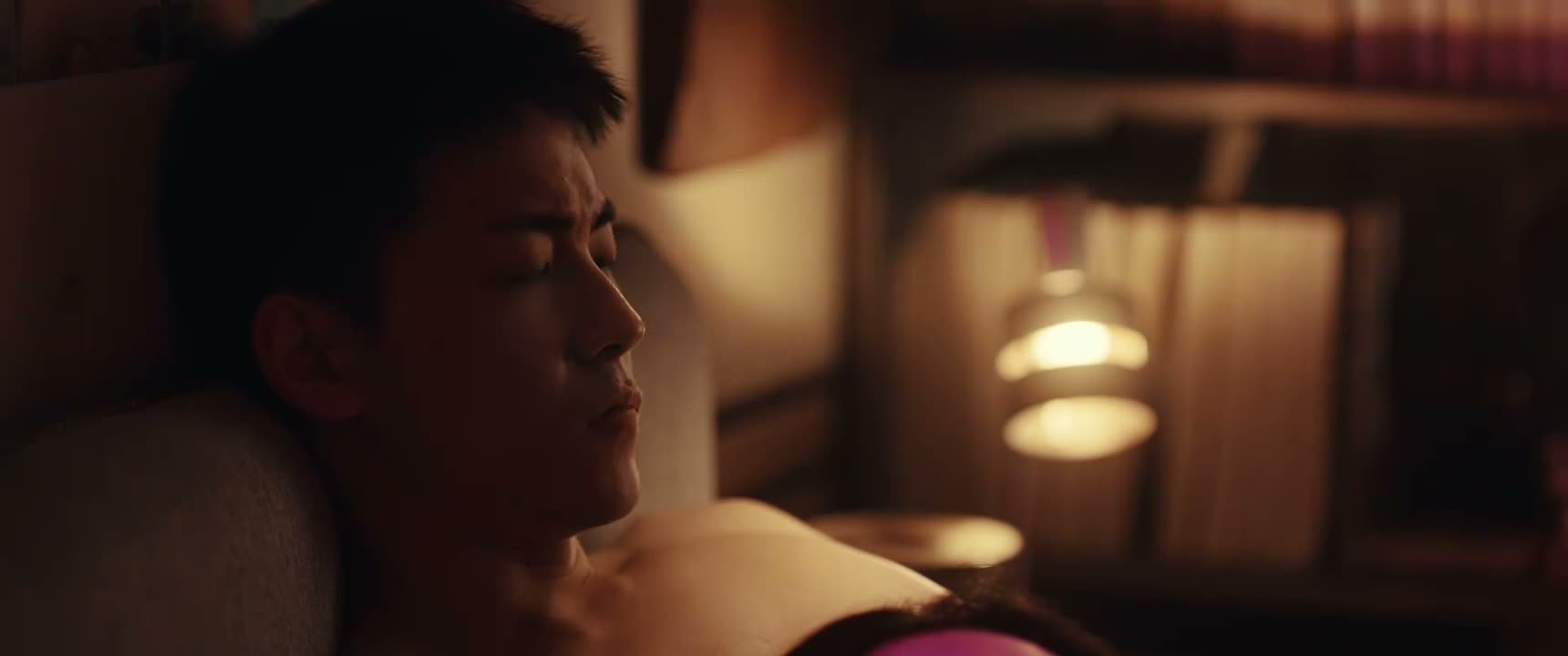
“I know you don't like her.”

“(If I didn't like you,) (I'd have to be blind.)”

“I don't like you— not because you're not real,”

“♪ The stars flow across the sky, and I walk this road with you ♪ You can't look down on me!”