谁让你来的 让谁把你领进去 好吧
“Let him bring you in, okay?”
THE DIALOGUE REEL
一个 一个穿蓝色衣服的 短头发一伙计
“A guy in blue, with short hair.”
谁让你来的 让谁把你领进去 好吧
“Let him bring you in, okay?”
“No ticket? Scram. Don't cause trouble.”
“Stop making excuses; you're not getting in unless someone actually shows up to claim you.”
Staff or security often demand proof of personal authorization when individuals attempt to gain entry without standard credentials via informal connections.
LEARNING CHUNKS & PARTICLES
who told you to come
A blunt, confrontational rhetorical prompt used to demand who authorized an unwelcome person's presence.
lead inside / bring in
Commonly used when referring to physically escorting someone past a gate, door, or checkpoint.
Used pseudo-suggestively to soften an imperative while practically enforcing a final, non-negotiable boundary.
VOCABULARY & EXPRESSIONS
Parallel Spoken Cinema Scenes (语义近邻切片)

“Who let you in? Go out!”
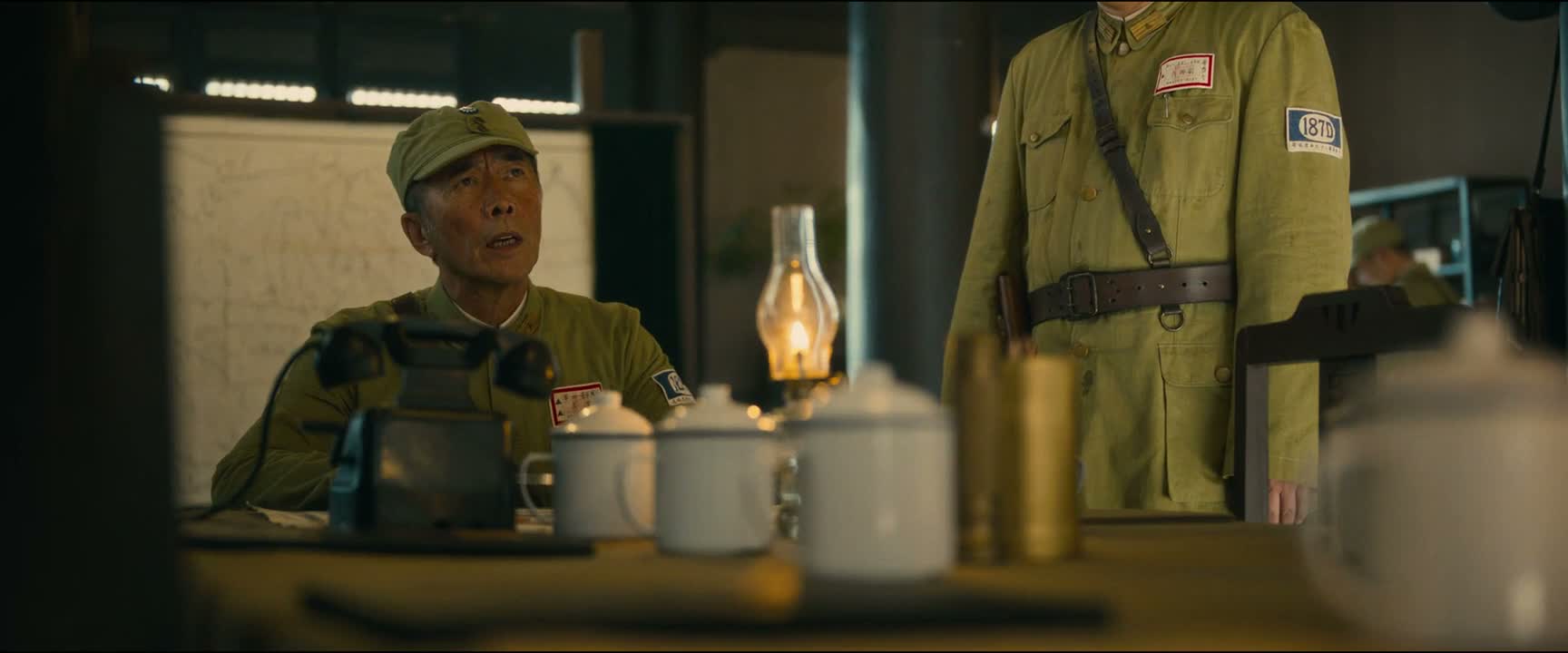
“Who told you to come?”

“Who asked you to come out? Did you tell me when you came out?”

“That doesn't matter. I don't agree!”

“Who allowed you to come down? Go upstairs! Mr. Wen. Excuse me.”

“Who told you to come back so late? Come here.”