我不跟你说话吧 又觉得你没面子
“If I don't talk to you, you think you've lost face.”
THE DIALOGUE REEL
“I was cooking here just fine, and you had to come over.”
我不跟 你说 话吧 又觉得你 没面子
“If I don't talk to you, you think you've lost face.”
“She doesn't have time to go out with me.”
“I actually want your company, but I'll pretend I'm doing you a huge favor by talking to you.”
In Chinese relationships, invoking 'mianzi' can be done playfully to disguise genuine affection or desire for attention under the polite guise of preserving social dignity.
LEARNING CHUNKS & PARTICLES
to lose face, to feel embarrassed or slighted
A very common colloquial term used when someone's social pride, standing, or ego is bruised.
if I don't..., on the other hand...
Used to frame a dilemma where avoiding an action causes an unwanted secondary consequence.
Softens the conditional clause, marking a tentative premise or hypothetical consideration.
VOCABULARY & EXPRESSIONS
Parallel Spoken Cinema Scenes (语义近邻切片)
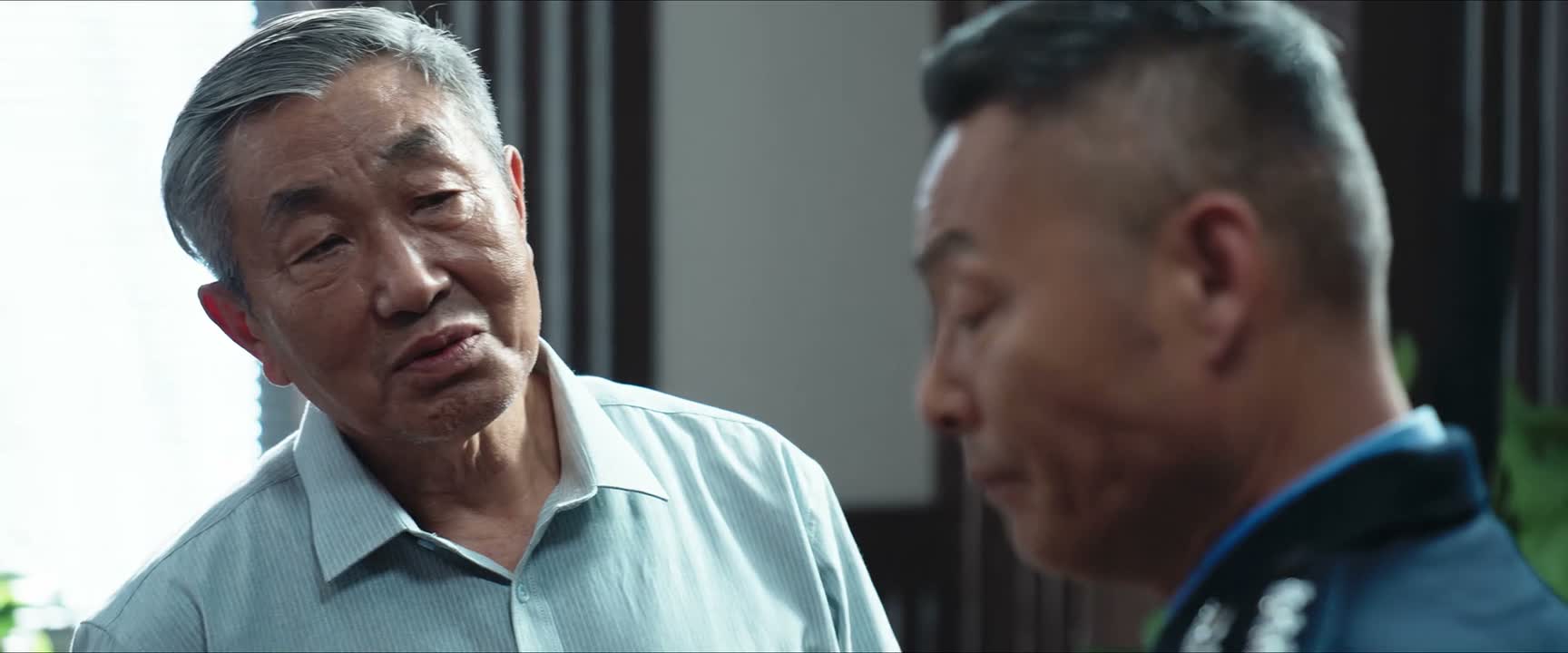
“So I've still got some clout with you, right? What do you mean you've got clout?”

“Wait. I'm talking to you. Why sigh? What's with that look?”

“You don't care about your reputation. I do.”

“I always embarrass you in front of your coworkers.”

“I'm talking to you. Don't you think so?”

“So you're rejecting me?”