我被骗了这么久 我怎么这么傻呀
“(I was fooled for so long.) (How could I be so stupid?)”
THE DIALOGUE REEL
他早就跟他的经纪人在一起了
“(He was with his manager all along.)”
我 被骗了这么久 我 怎么这么傻 呀
“(I was fooled for so long.) (How could I be so stupid?)”
“(They are two of a kind.)”
“I feel utterly humiliated and devastated that I let them fool me for this long.”
In Chinese interpersonal dynamics, self-reproach after betrayal often serves as an emotional release to seek validation and comfort from confidants.
LEARNING CHUNKS & PARTICLES
was tricked / got scammed
A very common passive construction used when discovering that someone has lied to or betrayed you.
how could [I] be so foolish
A typical colloquial rhetorical question expressing strong self-reproach or disbelief at one's own gullibility.
Softens the rhetorical question into a genuine, plaintive cry of emotional distress and disbelief.
VOCABULARY & EXPRESSIONS
Parallel Spoken Cinema Scenes (语义近邻切片)

“She fooled you.”
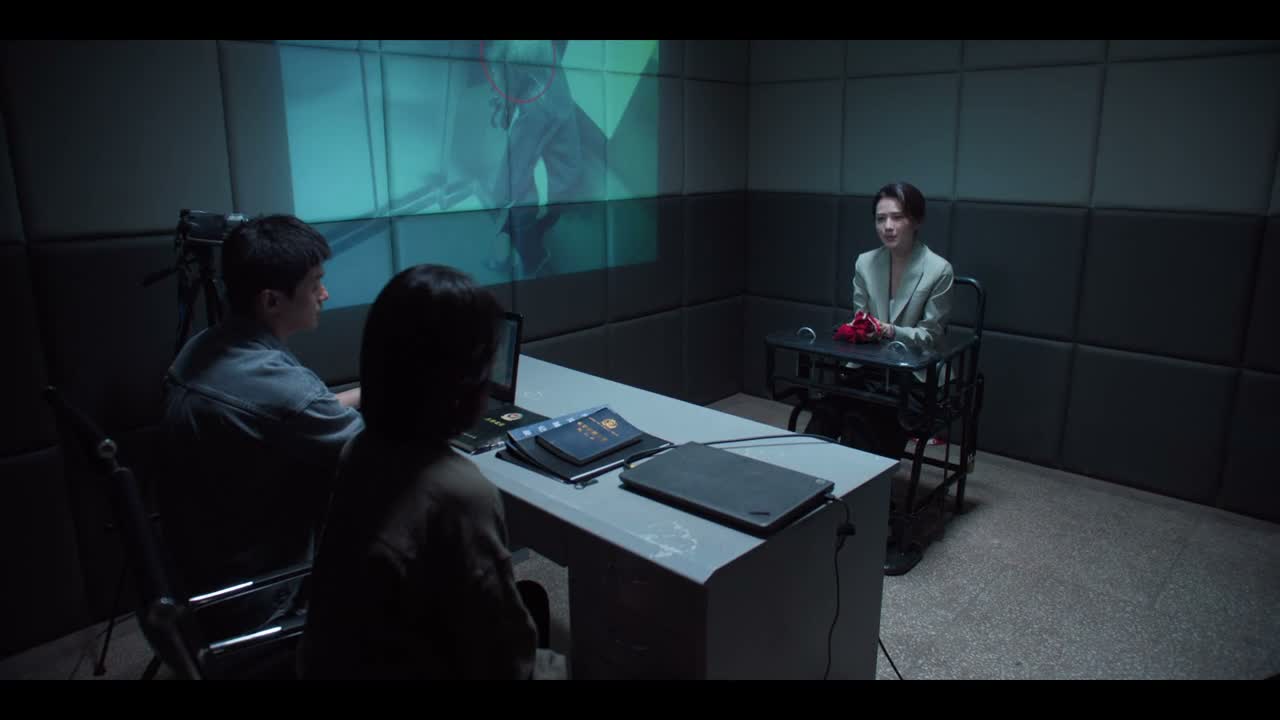
“and I've lied to you for all these years,”

“You came even though you knew it was a trick?”

“Only the lovestruck would be scammed.”

“I got scammed. How much?”

“I heard that guy got scammed out of over 300,000.”