MC
MandarinClips Cinema Corpus
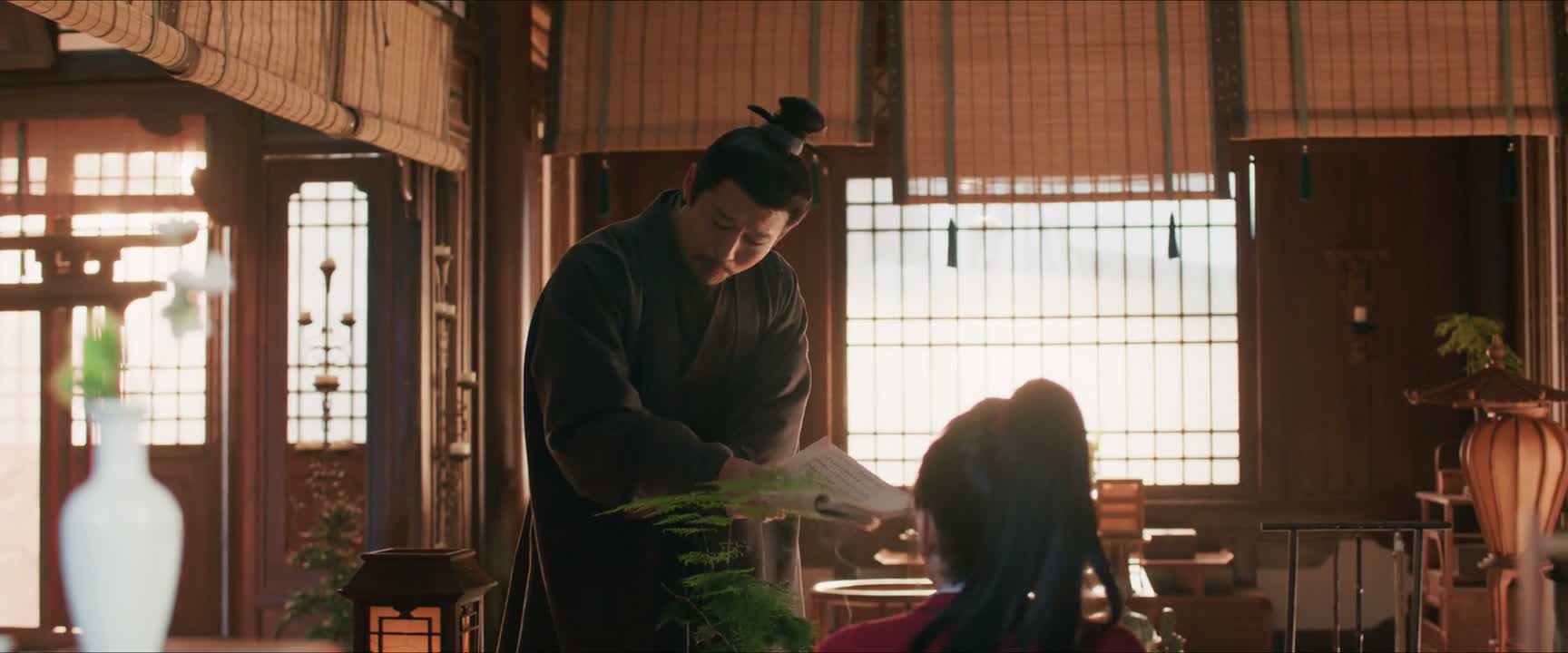
《The Imperial Coroner》 S2·E12 (29:41) HSK 7
tā bú shì liú liàn yān huā zhī dì de rén

他不是留恋烟花之地的人

“He was not one to frequent pleasure quarters.”

《The Imperial Coroner》 S2·E12
TIMECODE: 29:41 · 1080P MASTER AUDIO

THE DIALOGUE REEL

1+1+1 SPOKEN CONTINUITY
[-1] PREVIOUS TURN duì jǐ gèng shèn

对己更甚

“even more so with himself.”

tā bú shì liú liàn yān huā zhī dì de rén CURRENT FOCUS

他 不是 留恋 烟花之地 的人

“He was not one to frequent pleasure quarters.”

[+1] FOLLOW-UP TURN huò xǔ lián tā zì jǐ dōu méi yǒu xiǎng dào

“He may not have even realized”

Subtitles synced to millisecond timecode Browse Show Clips →
Scene: Legal & Police
Function: DEFENDING CHARACTER
Tone: DEFENSIVE
Emotion: EARNESTNESS
WHAT THEY REALLY MEAN (PRAGMATIC SUBTEXT)
“You have the wrong idea about him; he would never visit such improper places for pleasure.”
💡 Cultural Insight: Euphemisms for Vice Districts

'烟花之地' (literally 'places of mist and flowers') is a traditional poetic euphemism for pleasure quarters, reflecting the cultural avoidance of crude terminology when discussing improper pursuits.

INTENT TAGS: #character_defense #refuting_suspicion #assertion #vouching
🧩

LEARNING CHUNKS & PARTICLES

2 CHUNKS · 1 PARTICLES
留恋 SPOKEN CHUNK

reluctant to leave / clinging fondly to

Used to describe an emotional attachment or habitual indulgence in a specific place or memory.

烟花之地 SPOKEN CHUNK

places of pleasure / brothels

A literary euphemism common in period dramas referring to red-light districts or courtesan quarters.

Modal Particle「的」 (de) CHANGE OF STATE

Used at the end of the noun phrase '...的人' to classify and emphasize the person's inherent character.
🏮

VOCABULARY & EXPRESSIONS

2 EXPR · 9 GRAMMAR
CROSS-CINEMA CORPUS BOARD · PARALLEL SCENES

Parallel Spoken Cinema Scenes (语义近邻切片)

EXPLORE BY SEMANTIC SIMILARITY
《The Imperial Coroner》 S2·E12 (29:41) · Authentic Cinema Dialogue Corpus