你这个孩子没有礼貌
“that you were being rude.”
THE DIALOGUE REEL
我会告诉别人
“I'll tell others”
你 这个 孩子 没有礼貌
“that you were being rude.”
在车上跟我吵架
“You argued with me in the car,”
“You are out of line and disrespectful; know your place and stop arguing with an elder.”
In Chinese culture, younger generations are traditionally expected to show deference to elders; accusing someone of being 'without manners' (没有礼貌) is a common way for elders to claim the moral high ground.
LEARNING CHUNKS & PARTICLES
this child / kid
Used by older individuals toward younger people, often patronizingly when reprimanding them.
having no manners / rude
A direct judgment used to criticize someone's lack of respect or proper social decorum.
VOCABULARY & EXPRESSIONS
Parallel Spoken Cinema Scenes (语义近邻切片)

“This kid is so rude. Your Uncle Ran is here. Also, aren't you going to eat?”
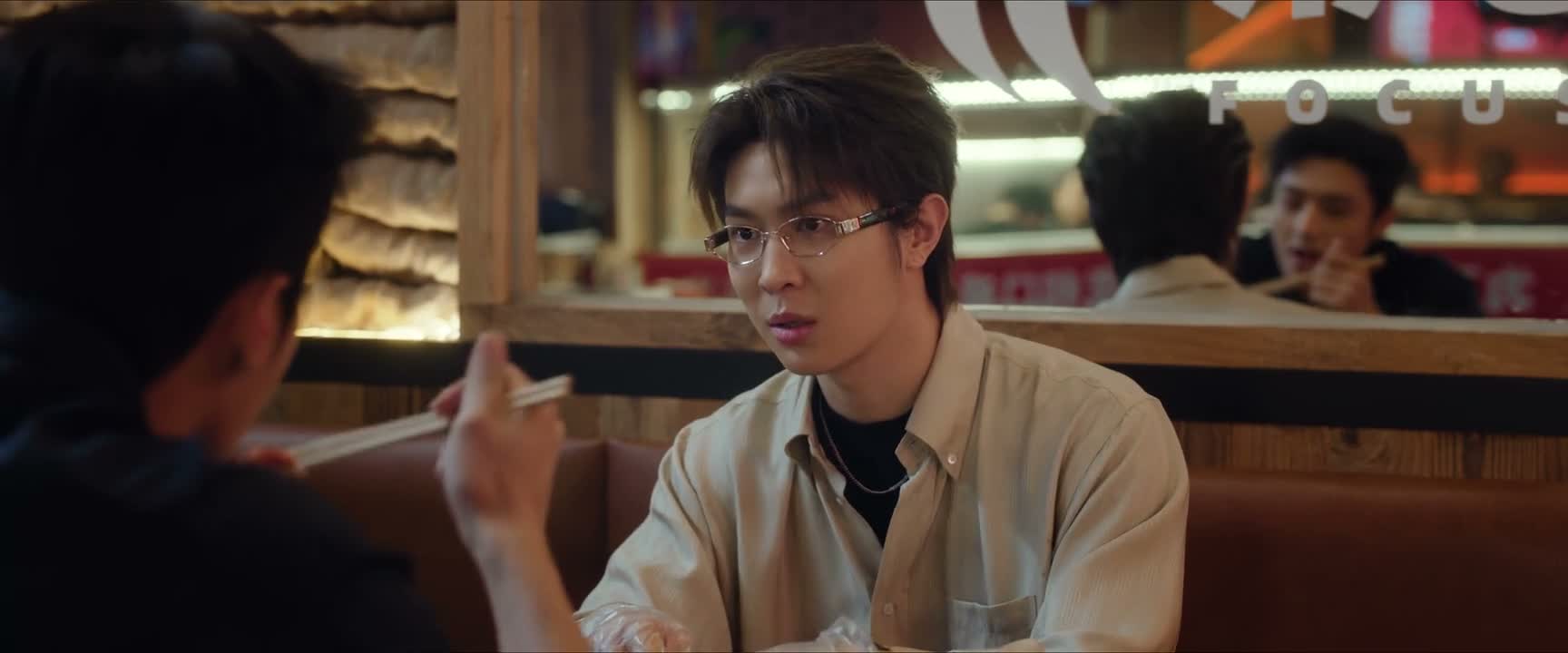
“Why are you so impolite?”

“So rude.”

“are so impolite.”

“Only you're idling about in that stupid hat.”