《COURT!》 S1·E20 (21:08)
HSK 6
tīng nǐ shuō zhè xiē wǒ dōu yào shuì bù zhe jué le
听你说这些我都要睡不着觉了
“I won't be able to sleep after hearing that.”
《COURT!》
S1·E20
TIMECODE: 21:08
·
1080P MASTER AUDIO
THE DIALOGUE REEL
[-1] PREVIOUS TURN
nǐ bié xià hǔ wǒ
你别吓唬我
“Stop trying to scare me.”
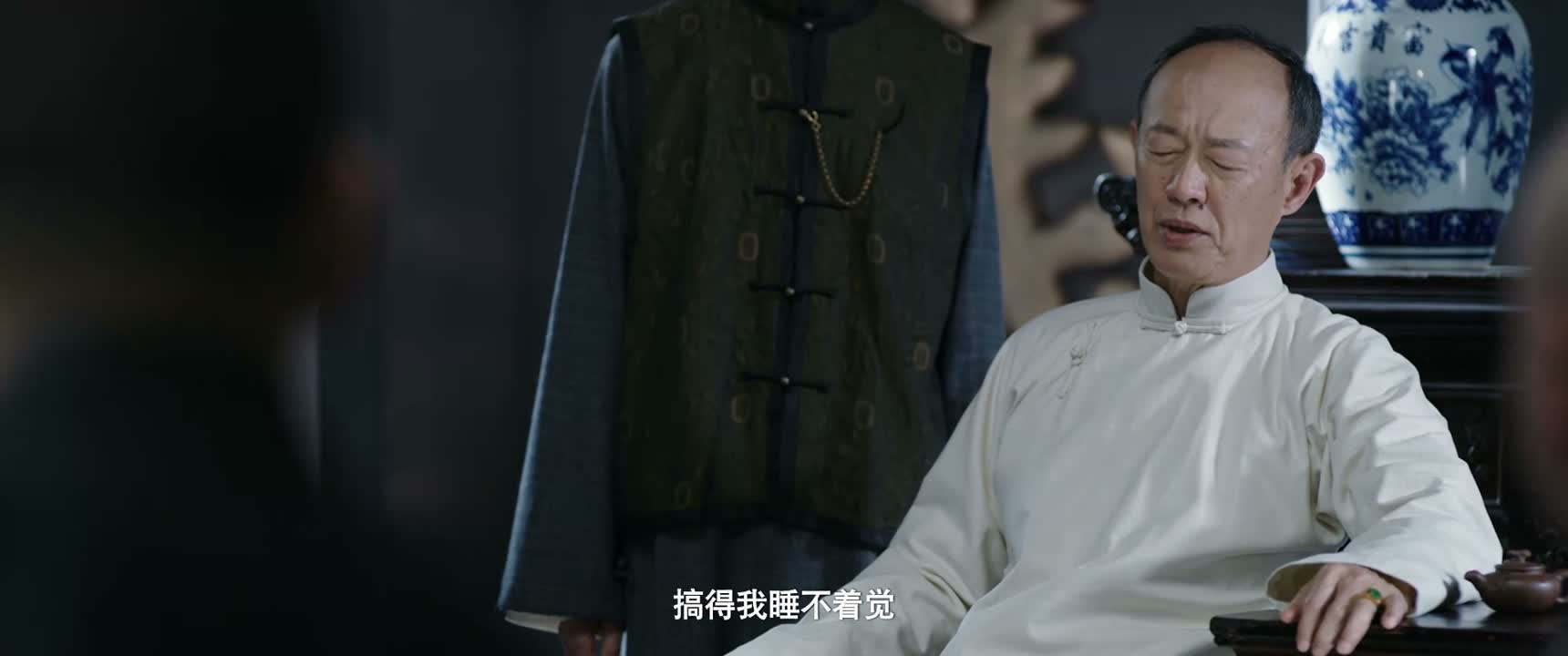
tīng nǐ shuō zhè xiē wǒ dōu yào shuì bù zhe jué le
CURRENT FOCUS
听 你说这 些我 都要 睡不着觉 了
“I won't be able to sleep after hearing that.”
[+1] FOLLOW-UP TURN
nǐ jīn tiān zěn me
你今天怎么
“Why did you”
Subtitles synced to millisecond timecode
Browse Show Clips →
Scene:
Social & Dating
Function:
EXPRESSING ANXIETY
Tone:
PLEADING
Emotion:
FEAR
WHAT THEY REALLY MEAN (PRAGMATIC SUBTEXT)
“Please stop talking, you're genuinely creeping me out.”
💡 Cultural Insight: Casual Exaggeration in Daily Speech
Chinese speakers often use extreme physical reactions like losing sleep or being scared to death to playfully or softly urge someone to cease unpleasant topics without direct confrontation.
INTENT TAGS:
#expressing_fear
#pleading
#topic_shifting
#dissuasion
🧩
2 CHUNKS · 1 PARTICLES
LEARNING CHUNKS & PARTICLES
睡不着觉
SPOKEN CHUNK
unable to fall asleep
A very common colloquial expression used to describe insomnia or being kept awake by stress or fear.
都要……了
SPOKEN CHUNK
about to / almost going to
Used to exaggerate the imminent onset of a state or reaction caused by an external event.
Modal Particle「了」 (le)
CHANGE OF STATE
Indicates an imminent change of state resulting from hearing the disturbing conversation.
🏮
3 EXPR · 9 GRAMMAR
VOCABULARY & EXPRESSIONS
COLLOQUIAL EXPRESSIONS:
CROSS-CINEMA CORPUS BOARD · PARALLEL SCENES
EXPLORE BY SEMANTIC SIMILARITY
Parallel Spoken Cinema Scenes (语义近邻切片)

《COURT!》 S1·E20 (21:08) · Authentic Cinema Dialogue Corpus