我家都叫你给搬空了呀
“you'd have emptied my place.”
THE DIALOGUE REEL
要不是我刚好回来
“Hadn't I come back in time,”
我家 都 叫你 给 搬空了 呀
“you'd have emptied my place.”
妈 我没有偷钱 我是拿 什么拿 我在拿
“Mom, I didn't steal money. I was taking... - Taking what? - I was taking...”
“You have taken so much from this house that you are practically robbing your own family.”
In Chinese households, financial boundaries between parents and adult children can be ambiguous, making unilateral taking of money a source of intense moral confrontation between 'taking' and 'stealing'.
LEARNING CHUNKS & PARTICLES
to empty out completely / to clear out
Often used literally for moving, but frequently used colloquially to exaggerate excessive taking or spending.
done by you / ended up being done by you
A colloquial passive structure using 叫...给... that emphasizes frustration or negative outcomes caused by someone.
Heightens emotional intensity and vocalizes exasperation or shock.
VOCABULARY & EXPRESSIONS
Parallel Spoken Cinema Scenes (语义近邻切片)

“What's going on here? Why is everything cleared out?”
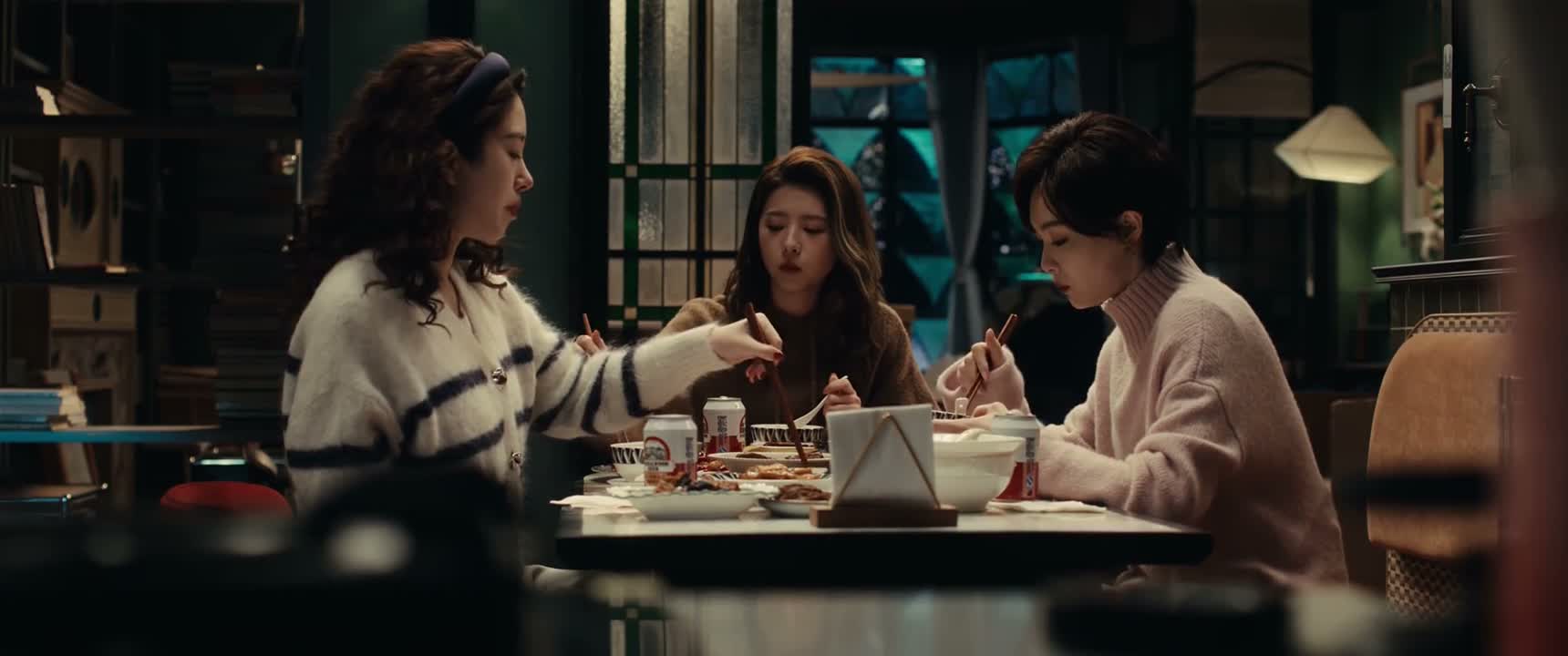
“you don't have to move out right now.”

“Are you back to pack up things and move out?”

“we don't have to move anymore?”

“It's so embarrassing not to move now.”
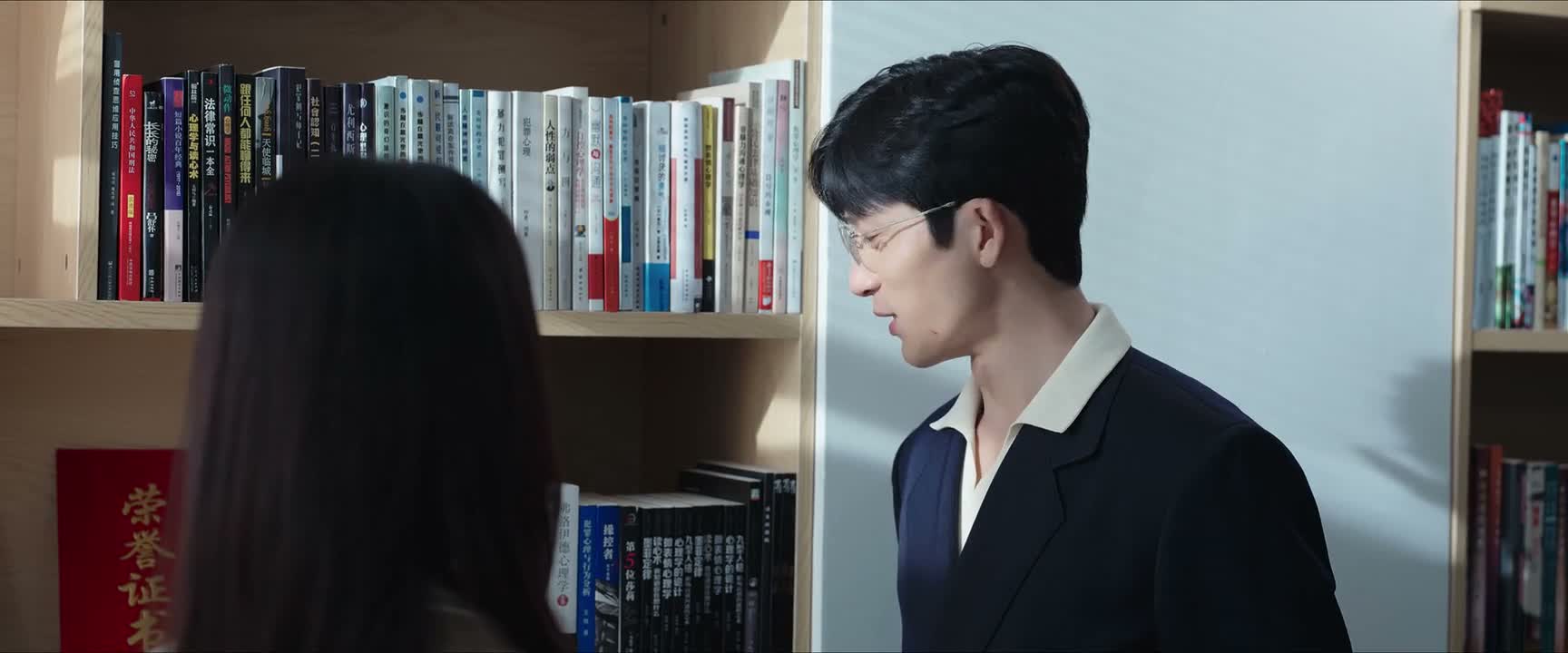
“I'll bring them all to your place sometime.”