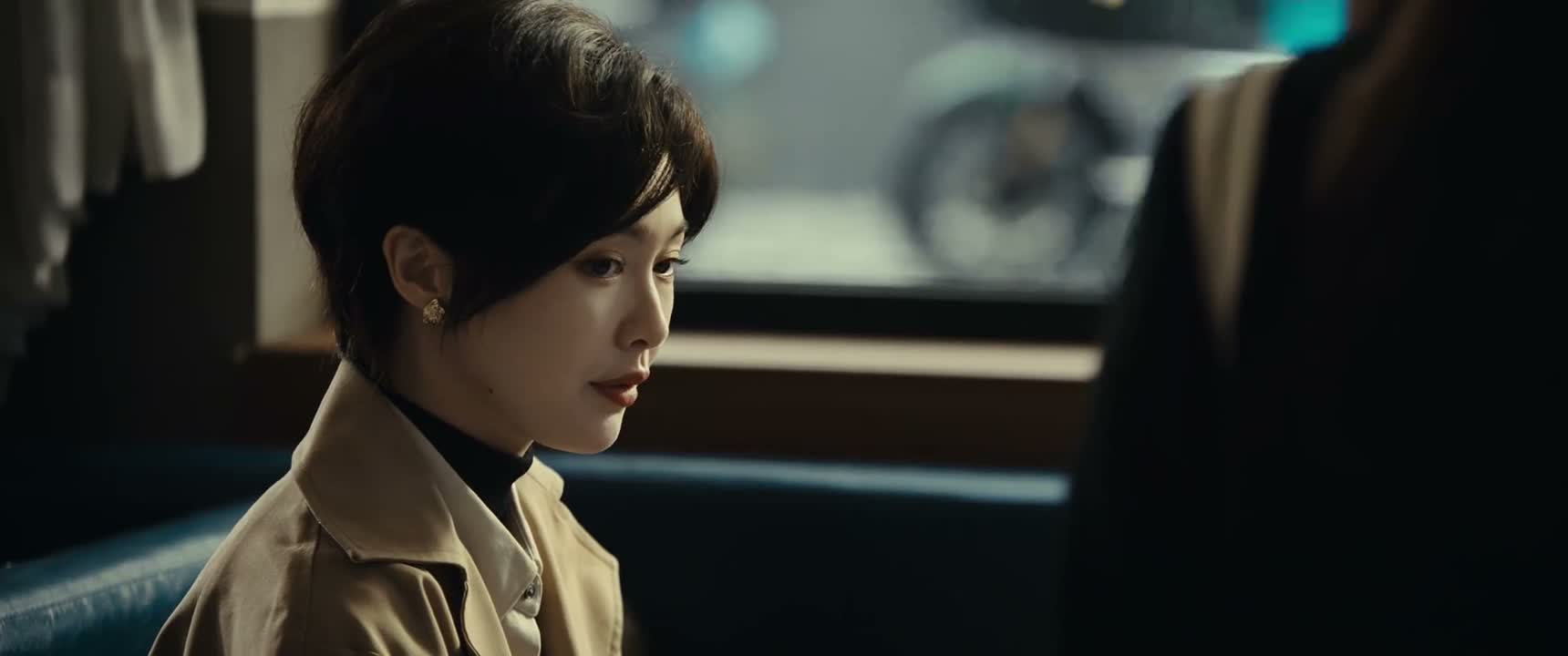
《No Pain No Gain》 S1·E21 (17:58)
HSK 2
hǎo tài wǎn le tài wǎn le bù hǎo yì sī
好 太晚了太晚了 不好意思
“Alright. It's indeed late. Sorry.”
《No Pain No Gain》
S1·E21
TIMECODE: 17:58
·
1080P MASTER AUDIO
THE DIALOGUE REEL
[-1] PREVIOUS TURN
ràng rén péi zǒng zǎo diǎn huí qù xiū xī ba
“Let Mr. Pei get home and rest early.”
hǎo tài wǎn le tài wǎn le bù hǎo yì sī
CURRENT FOCUS
好 太晚了 太晚了 不好意思
“Alright. It's indeed late. Sorry.”
[+1] FOLLOW-UP TURN
péi zǒng gǎn xiè nǐ bǎ wǎn wǎn sòng huí jiā
“Mr. Pei. Thank you for bringing Wan home.”
Subtitles synced to millisecond timecode
Browse Show Clips →
Scene:
Daily Life
Function:
APOLOGIZING FOR IMPOSITION
Tone:
APOLOGETIC
Emotion:
EMBARRASSMENT
WHAT THEY REALLY MEAN (PRAGMATIC SUBTEXT)
“I should leave right away so I don't disrupt your evening any further.”
💡 Cultural Insight: Guest Etiquette (Bu Hao Yisi)
Guests often apologize for lingering late to show mindfulness of the host's routine and avoid appearing inconsiderate.
INTENT TAGS:
#apology
#polite_exit
#consideration
#etiquette
🧩
2 CHUNKS · 1 PARTICLES
LEARNING CHUNKS & PARTICLES
太晚了
SPOKEN CHUNK
it's too late
Commonly doubled ('太晚了太晚了') to emphasize awareness of the late hour during departures.
不好意思
SPOKEN CHUNK
excuse me / sorry / embarrassed
The quintessential Chinese social lubricant used to soften mild impositions or awkwardness.
Modal Particle「了」 (le)
CHANGE OF STATE
Indicates a newly realized change of status—in this case, that the hour has gotten excessively late.
🏮
2 EXPR · 1 GRAMMAR
VOCABULARY & EXPRESSIONS
COLLOQUIAL EXPRESSIONS:
GRAMMAR BLUEPRINTS:
CROSS-CINEMA CORPUS BOARD · PARALLEL SCENES
EXPLORE BY SEMANTIC SIMILARITY
Parallel Spoken Cinema Scenes (语义近邻切片)

《No Pain No Gain》 S1·E21 (17:58) · Authentic Cinema Dialogue Corpus