都神之山海了还要我旅行啊 我这也太惨了吧
“This is the Divine Mountains and Seas, and you still make me travel everywhere. That's too tragic.”
THE DIALOGUE REEL
这个小胖子是以我为原型的吧 为什么要叫旅行者啊
“This chubby guy is based on me, right? Why call him Wayfarer? This is the Divine Mountains and Seas, and you still make me travel everywhere.”
都神之山海 了 还要 我旅 行啊 我 这也太 惨 了 吧
“This is the Divine Mountains and Seas, and you still make me travel everywhere. That's too tragic.”
你是不是针对我
“Are you targeting me?”
“Why are you giving my character such a hard time? Are you messing with me on purpose?”
In contemporary Chinese youth culture, exaggerating one's misfortune ('selling misery') serves as lighthearted complaining (tucao) to build rapport and prompt affectionate responses from close friends or partners.
LEARNING CHUNKS & PARTICLES
even after reaching a certain point / even in this state, still have to...
Used to express frustration or disbelief that an undesirable action is still required despite circumstances where it shouldn't be.
this is way too miserable / this sucks so bad
A very common colloquial pattern used to exaggerate pity for oneself or others in casual conversation.
Softens the rhetorical question while adding a tone of exasperation and emotional appeal.
Softens the exclamation and solicits sympathetic agreement from the listener.
VOCABULARY & EXPRESSIONS
Parallel Spoken Cinema Scenes (语义近邻切片)

“(But why shut down my Divine Mountains and Seas?)”
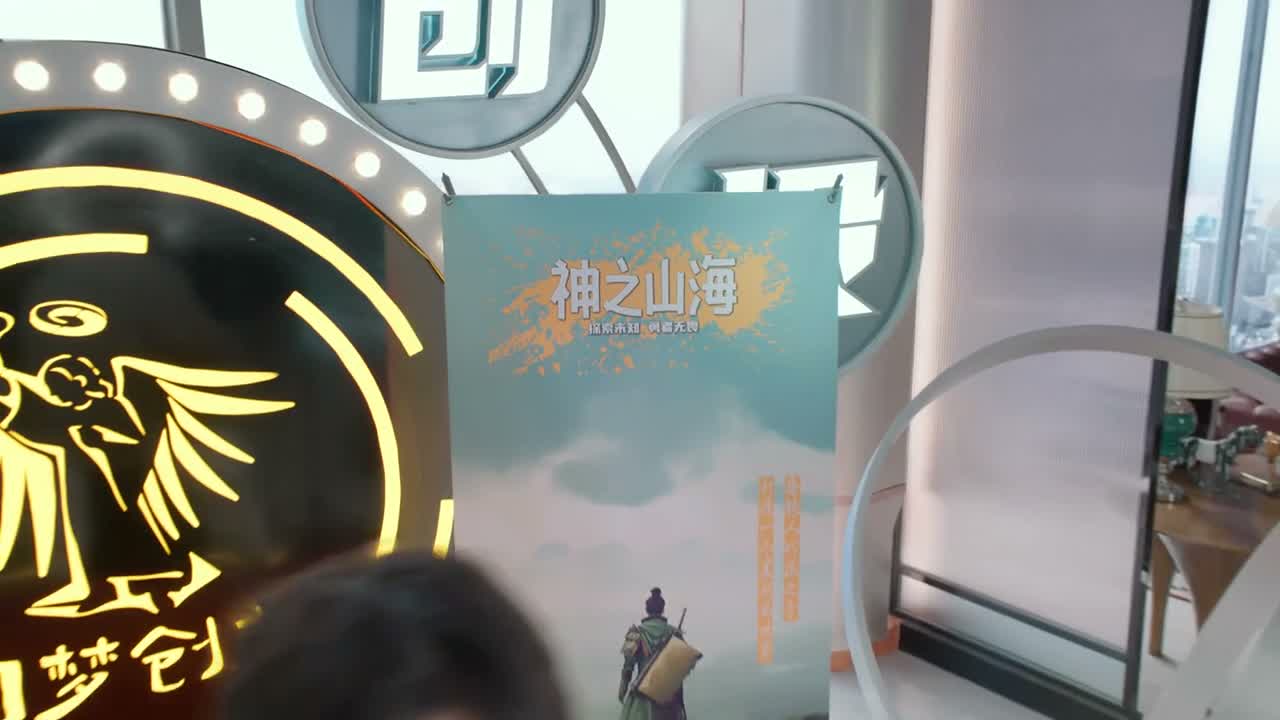
“Travelers of the Divine Mountains and Seas. Don't worry. So far,”

“(The Divine Mountains and Seas suck.) (Not even close to Infinite Imagination.)”

“what we can do for the Divine Mountains and Seas. Is it just about defeating a mere Zhou Muyan?”

“I've always wanted to read this extra chapter. But in The Divine Mountains and Seas,”

“They actually did. Anything about the Divine Mountains and Seas”