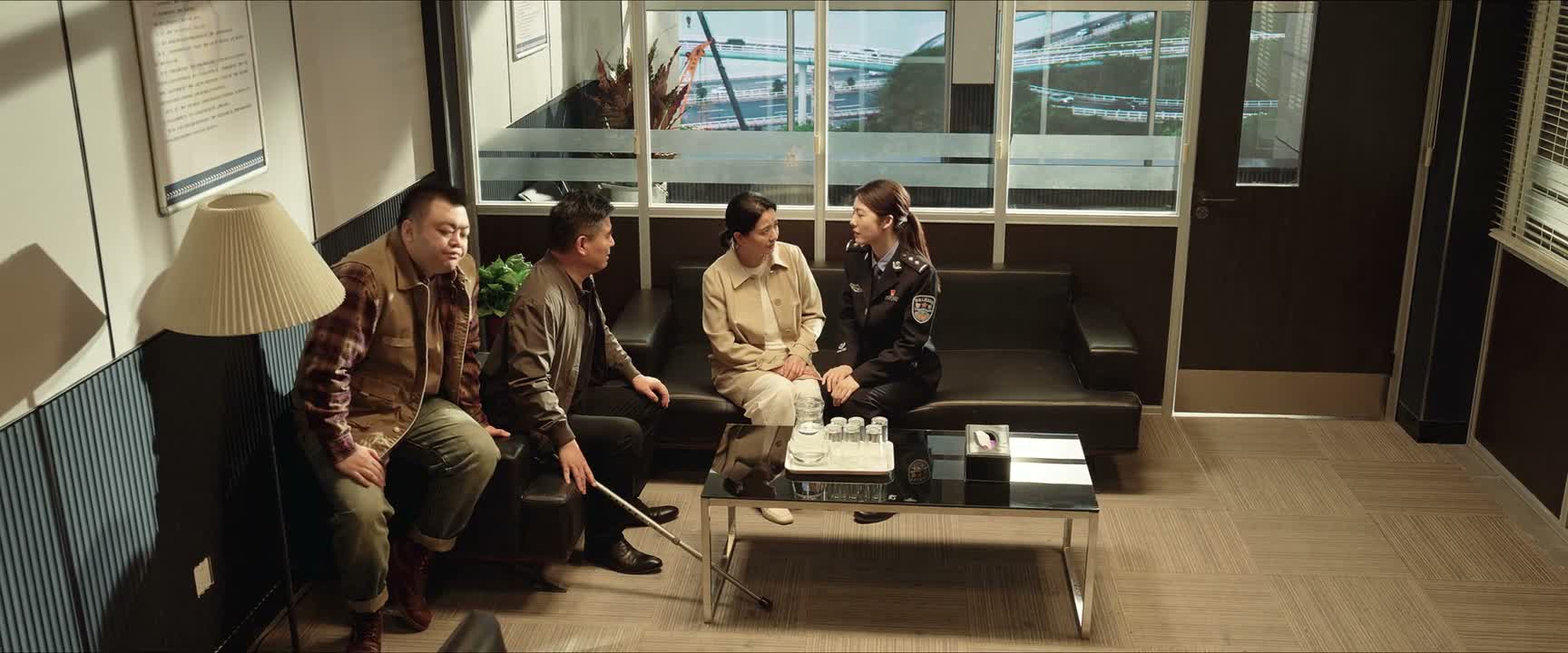
你是不是忘了 你今天自己干什么来了
“Have you forgotten what you came here to do today?”
THE DIALOGUE REEL
这全天下希望我死的人还真不少
“there are quite a few people in the world who want me dead.”
你是不是忘了 你 今天 自己 干什么来了
“Have you forgotten what you came here to do today?”
要找的人找到了吗
“Have you found the person you're looking for?”
“Get your head in the game and do what you came here for.”
In Chinese conflict dynamics, posing a rhetorical question about the listener's original intent is a common tactic to deflate extraneous posturing and enforce accountability.
LEARNING CHUNKS & PARTICLES
did you forget / haven't you forgotten
A rhetorical challenge used to point out that someone is neglecting their duty or priority.
what one came here to do
Spoken colloquial phrasing to interrogate or emphasize the original purpose of a visit.
Marks a completed event or state change, indicating that the action of forgetting or arriving has already occurred.
VOCABULARY & EXPRESSIONS
Parallel Spoken Cinema Scenes (语义近邻切片)

“Did you forget? Did you?”

“Have you forgotten me too?”

“Have you forgotten me too?”

“Have you all forgotten”

“Have you forgotten?”
“I forgot. And I didn't know you were coming today. It's fine.”