父皇莫要过于自责 都是儿臣的疏忽
“Father, please don't blame yourself too much. It was all my negligence.”
THE DIALOGUE REEL
父皇
“Father.”
父皇 莫要 过于 自责 都是儿臣的 疏忽
“Father, please don't blame yourself too much. It was all my negligence.”
“I failed to stop Che from taking such a desperate path.”
“You are the Emperor and cannot be at fault; let me bear the blame to console you.”
In dynastic China, the Emperor could rarely be openly blamed for tragedy; dutiful sons and ministers were expected to absorb responsibility to maintain the ruler's supreme dignity.
LEARNING CHUNKS & PARTICLES
do not; please don't
A formal, literary equivalent of '不要' often found in historical dramas and dignified speech.
blame oneself excessively
Used when consoling someone who is taking a shared tragedy too personally.
VOCABULARY & EXPRESSIONS
Parallel Spoken Cinema Scenes (语义近邻切片)

“Father has finally confined that useless fool.”
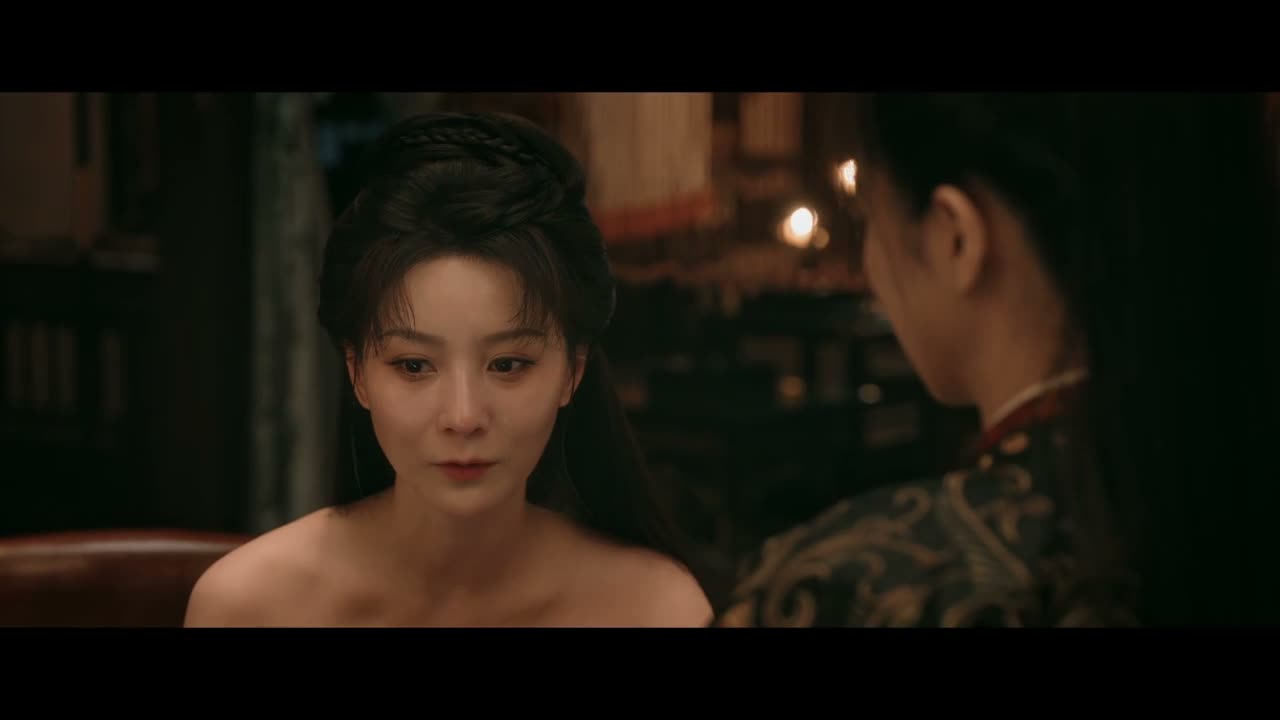
“Father has so many children.”

“Do you truly want me to be the Emperor, Mother?”
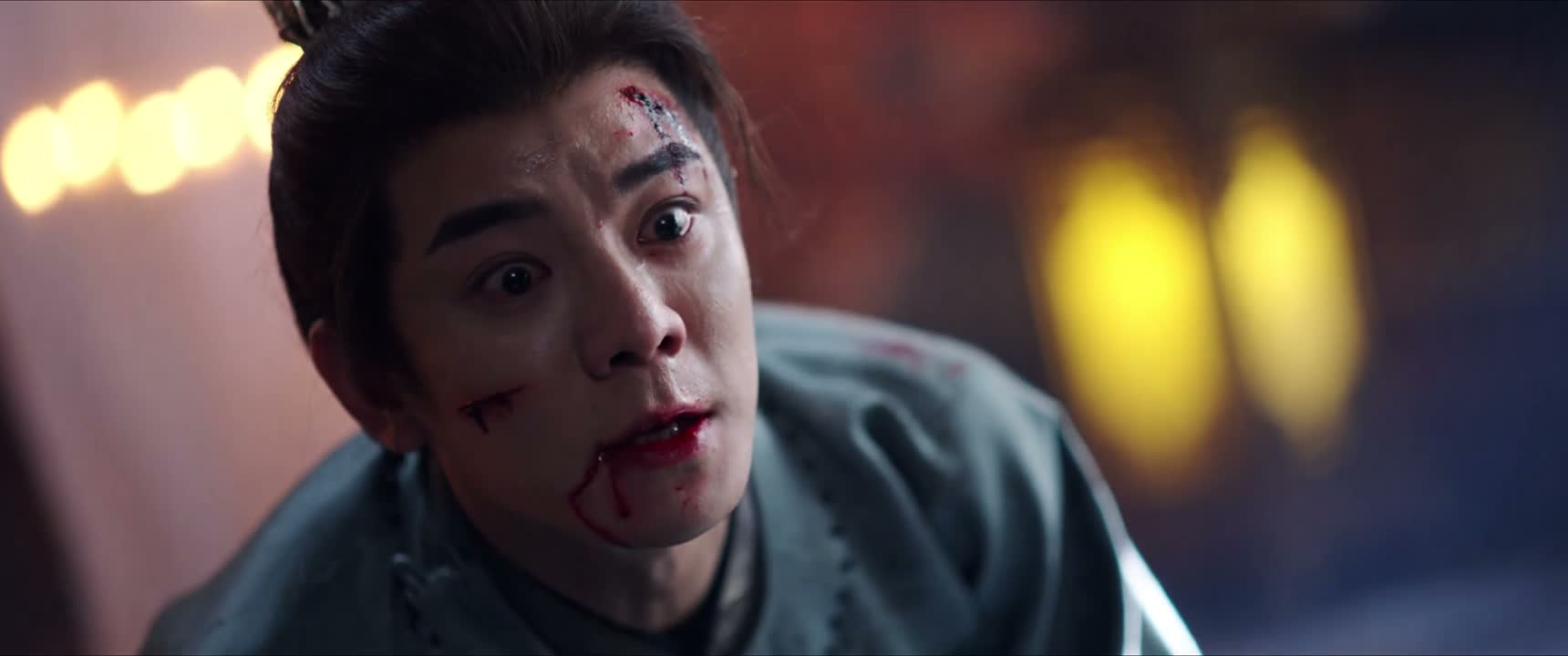
“You dare say he was wrong?”
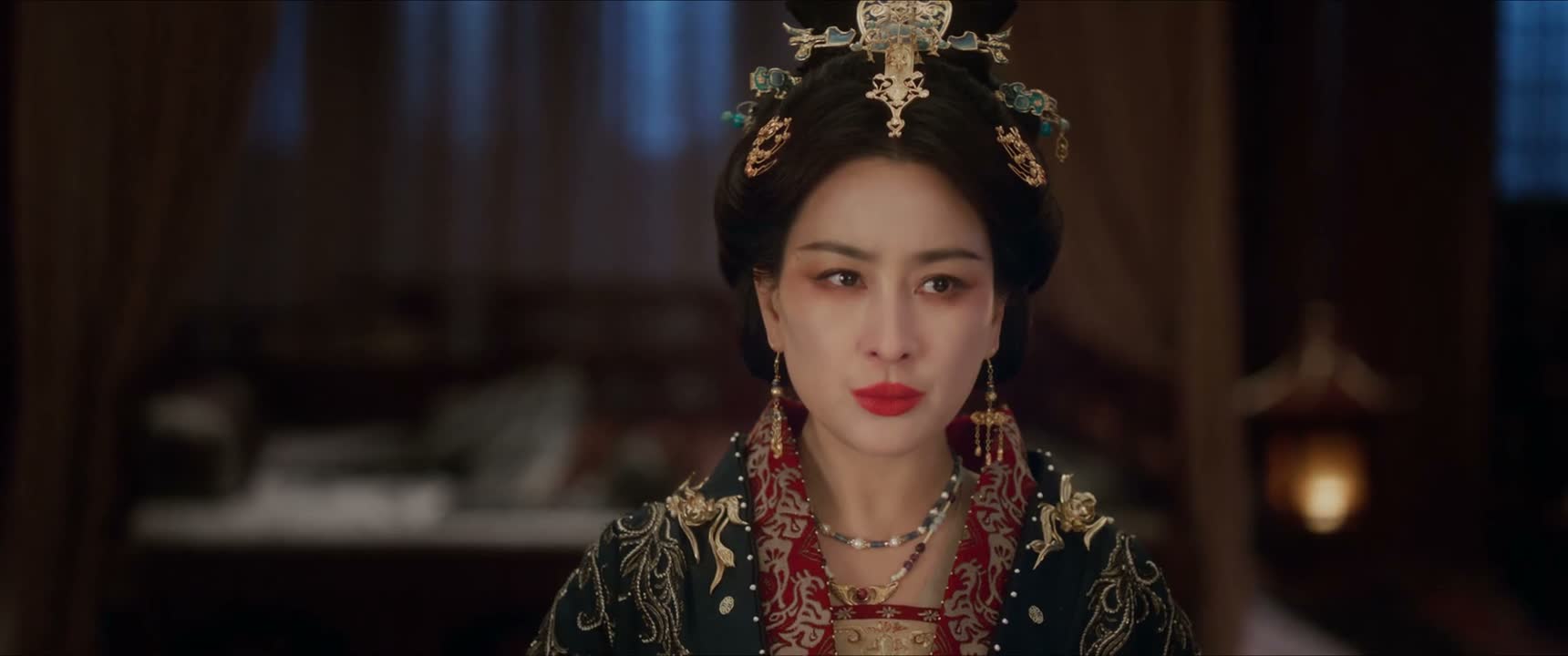
“I've failed your kindness.”

“He keeps turning Father against me.”