疏忽
shū hūCommon spoken expression used by native Chinese speakers in daily life.
[Scene: 职场工作]
(5 clips)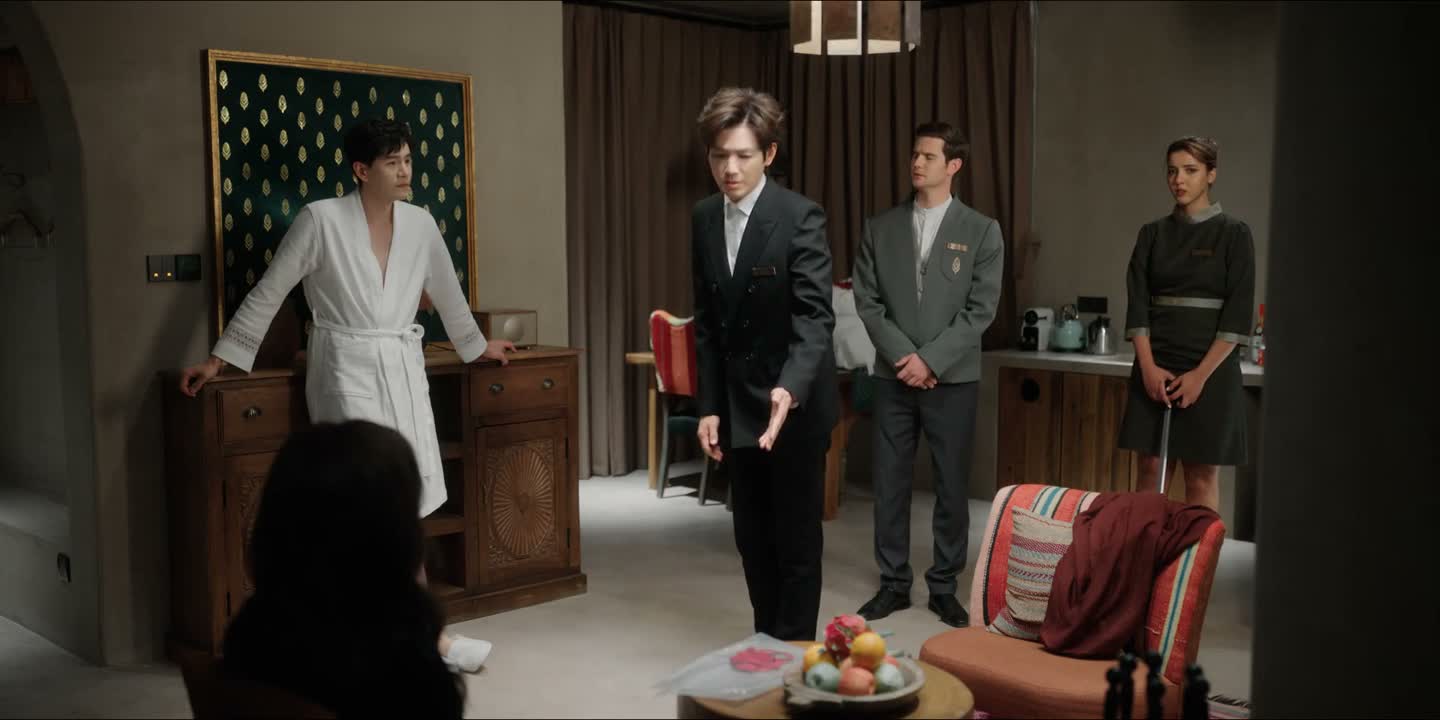 00:02
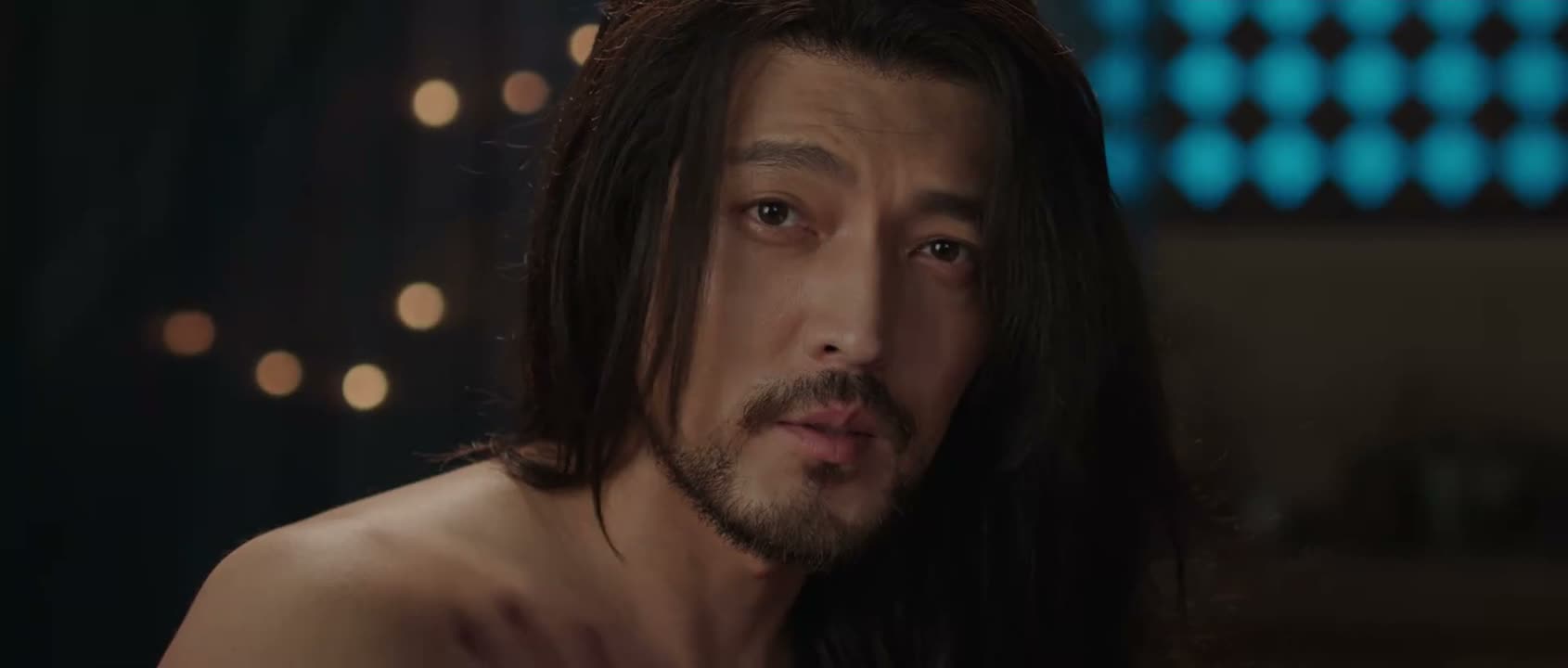 00:02
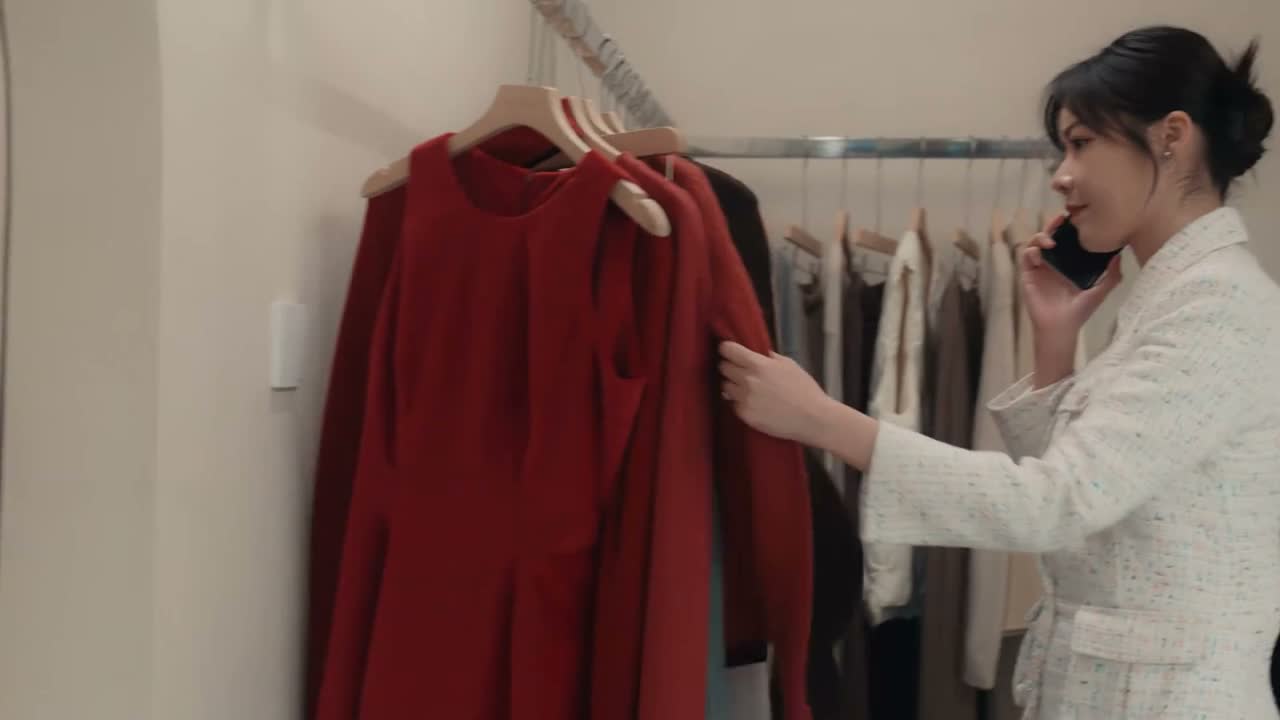 00:02
 00:03
(待交了墨) ── Previous context
“if it is indeed proven to be my negligence, I won't need anyone to say anything.”
 00:03
[Scene: 历史宫廷]
(4 clips) 00:03
(父皇) ── Previous context
“Father, please don't blame yourself too much. It was all my negligence.”
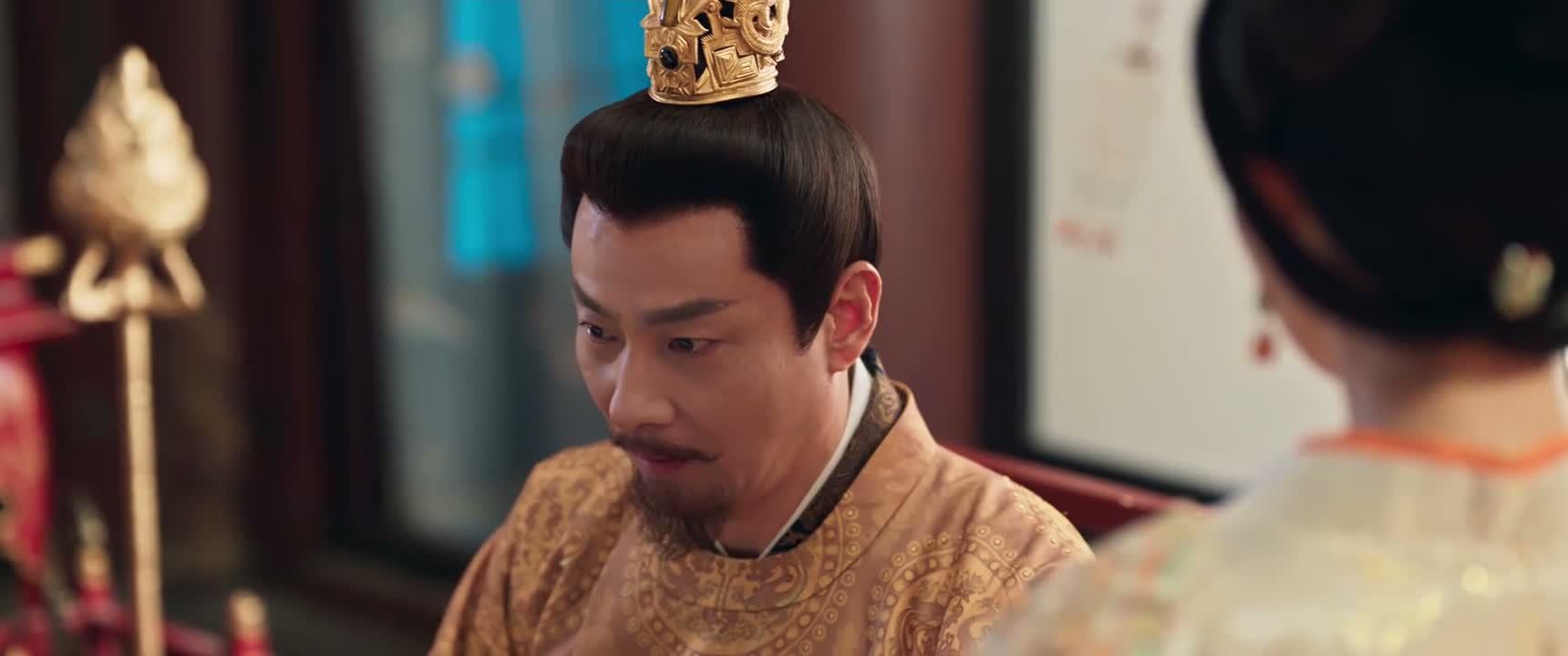 00:02
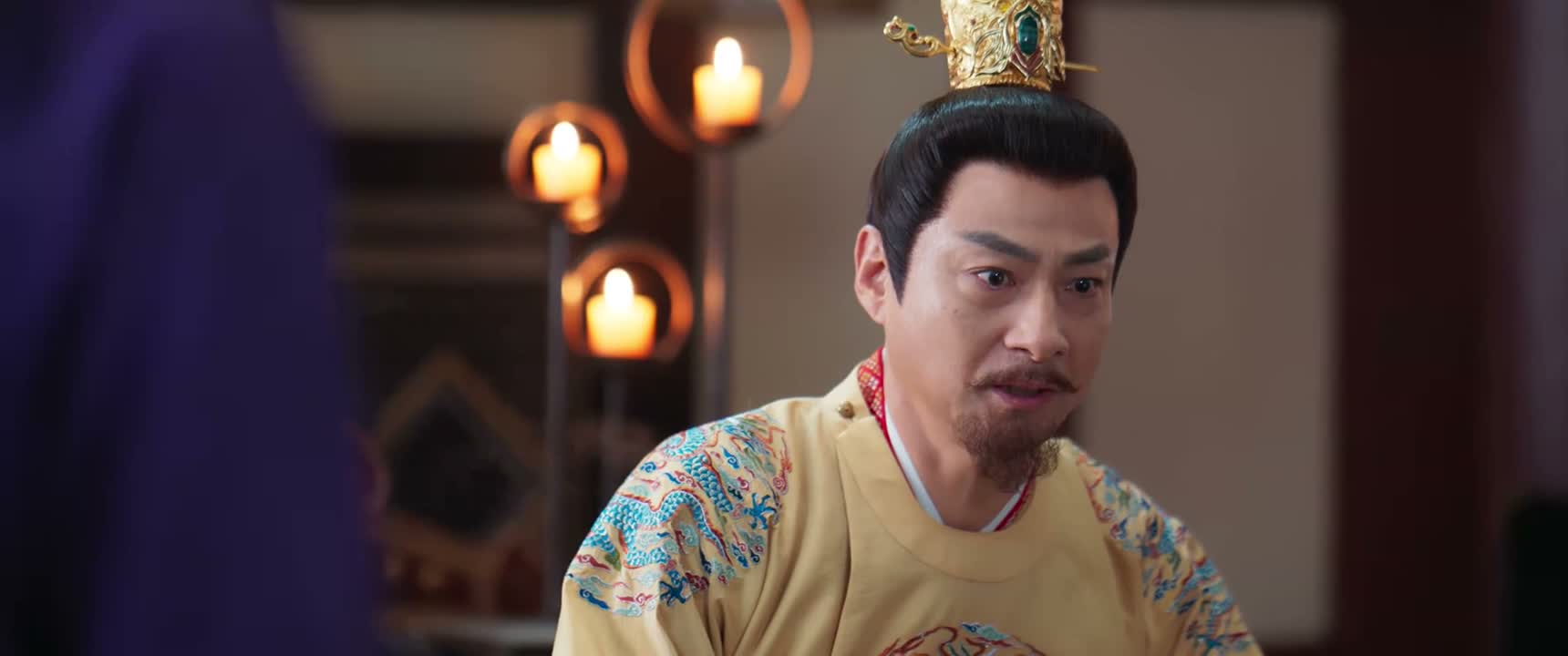 00:02
 00:03
(大人说的正是) ── Previous context
“It was my negligence. How can punishing myself with one cup be enough?”
[Scene: 家庭日常]
(1 clips) 00:02
[Scene: 其他场景]
(1 clips) 00:03
(在病房呢 白椿陪着苓苓) ── Previous context
“I'm sorry. I really... No, it's me. It was my negligence. Let go of me.”
[Scene: 社交聚会]
(1 clips)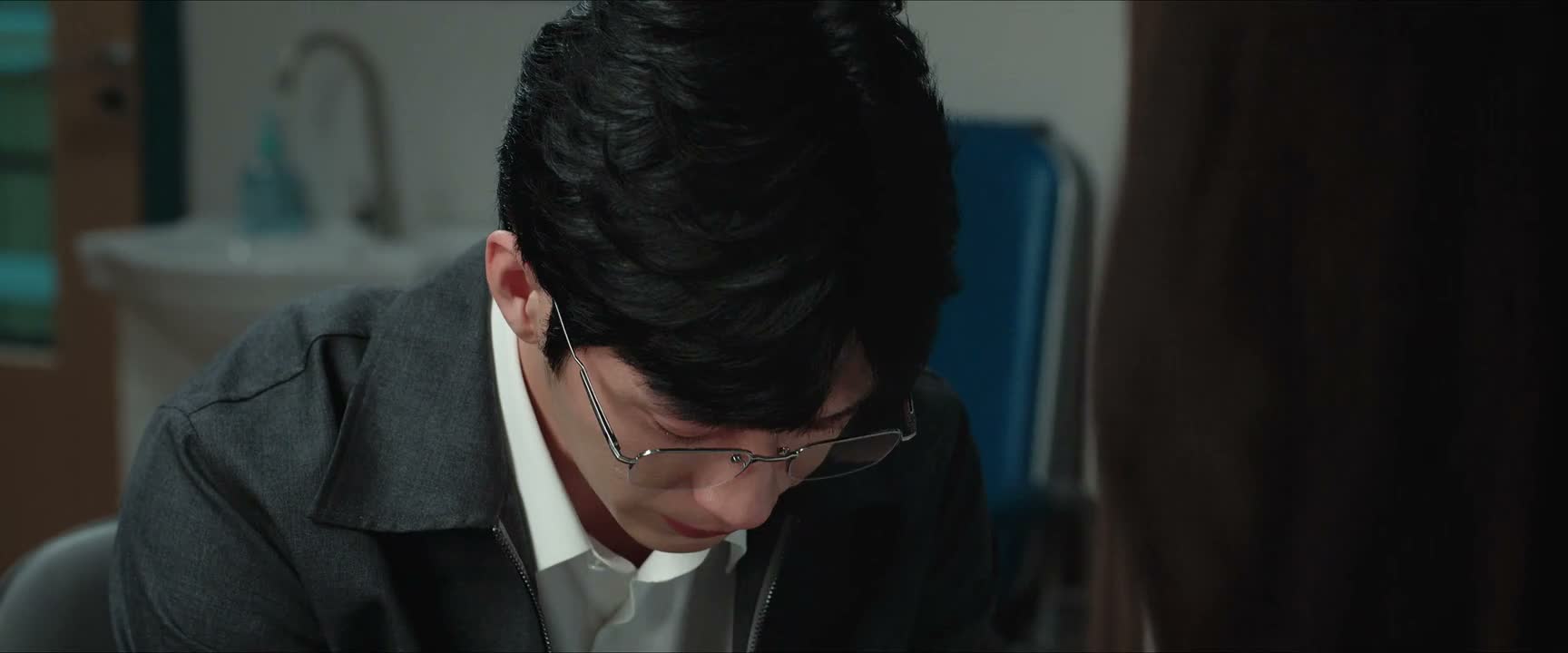 00:03
(我 我知道我这两天 是我做得不好) ── Previous context
“I've neglected your feelings. But... You're not in the wrong, Zhou Jin.”
📌 没事
→Nuance: 共享核心口语谓词: [对不起]
📌 放心
→Nuance: 共享核心口语谓词: [对不起]
📌 添麻烦
→Nuance: 共享核心口语谓词: [对不起]
📌 我告诉你
→Nuance: 共享核心口语谓词: [对不起]
📌 意外
→Nuance: 共享核心口语谓词: [对不起]
📌 对不起
→Nuance: 同向近义词根配对: [对不起 ↔ 不好意思]
📌 不好意思
→Nuance: 同向近义词根配对: [对不起 ↔ 不好意思]
📌 姐
→Nuance: 共享核心口语谓词: [对不起]
📌 没办法
→Nuance: 共享核心口语谓词: [对不起]