你干什么呀你 没完了 是不是
“What are you doing? I've had enough of you!”
THE DIALOGUE REEL
不行
“No.”
你干什么 呀你 没完了 是不是
“What are you doing? I've had enough of you!”
没完了你还
“Enough.”
Direct spoken expression in this communicative setting.
While Chinese communicative norms often favor face-saving and restraint, direct phrases like '没完了' signify that patience is completely exhausted and conflict is escalating openly.
LEARNING CHUNKS & PARTICLES
What do you think you're doing?
An irritated colloquial exclamation used when someone does something provocative, intrusive, or unreasonable.
never-ending; won't let it go
Used to express deep annoyance when someone keeps nagging, arguing, or causing trouble repeatedly.
Intensifies the sharp, confrontational edge of the urgent interrogation.
Marks the ongoing state of conflict that the speaker finds intolerable.
VOCABULARY & EXPRESSIONS
Parallel Spoken Cinema Scenes (语义近邻切片)

“What are you doing? This is still someone else's”

“What are you doing?”
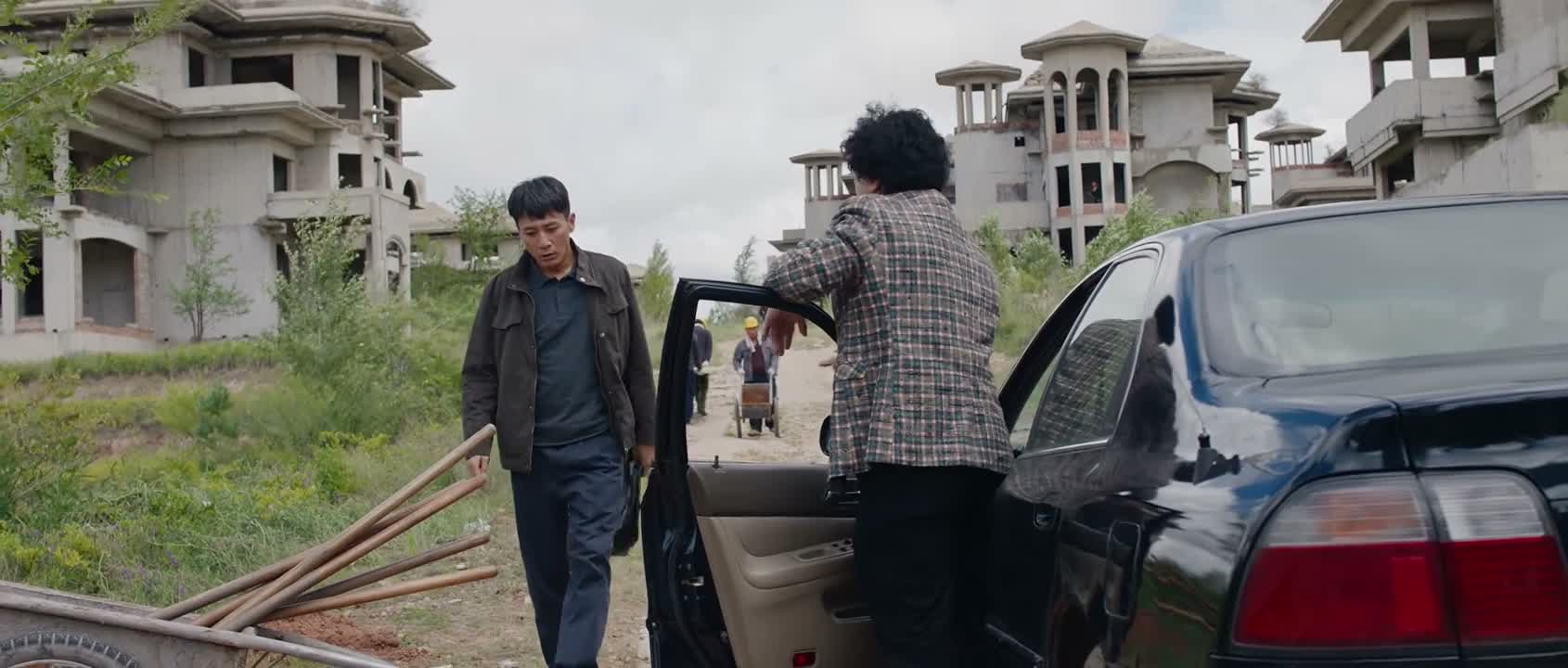
“How dangerous! What are you doing?”

“You... What are you doing?”

“What are you trying to do?”

“What are you doing? You...”