那你学会唱戏没有 没有
“Can you do opera yet? No.”
THE DIALOGUE REEL
“What are you all doing? Practicing basic skills.”
那你 学会 唱戏 没有 没有
“Can you do opera yet? No.”
“We bray every morning like a donkey.”
Direct spoken expression in this communicative setting.
Practicing voice and martial movements for Chinese opera is notoriously arduous, often involving early morning vocalization sessions that family members humorously comment upon.
LEARNING CHUNKS & PARTICLES
learn how to sing traditional opera
A common verb-object collocation used to describe acquiring the skill of opera singing.
not yet / no
Placed at the end of a question to ask if an action has been completed, or used as a blunt negative response.
VOCABULARY & EXPRESSIONS
Parallel Spoken Cinema Scenes (语义近邻切片)

“You haven't even learned the craft. But you've learned trading roles for favors.”
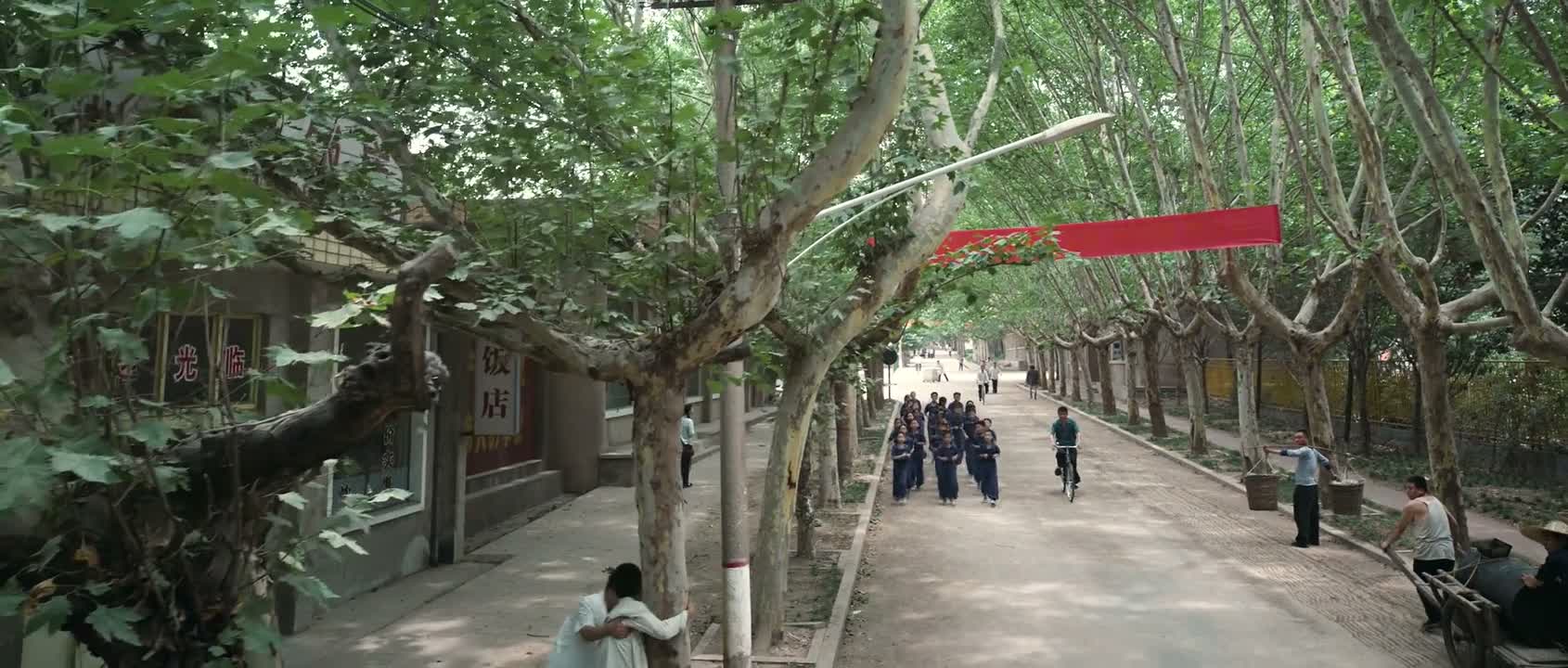
“I'm done with opera. I quit.”
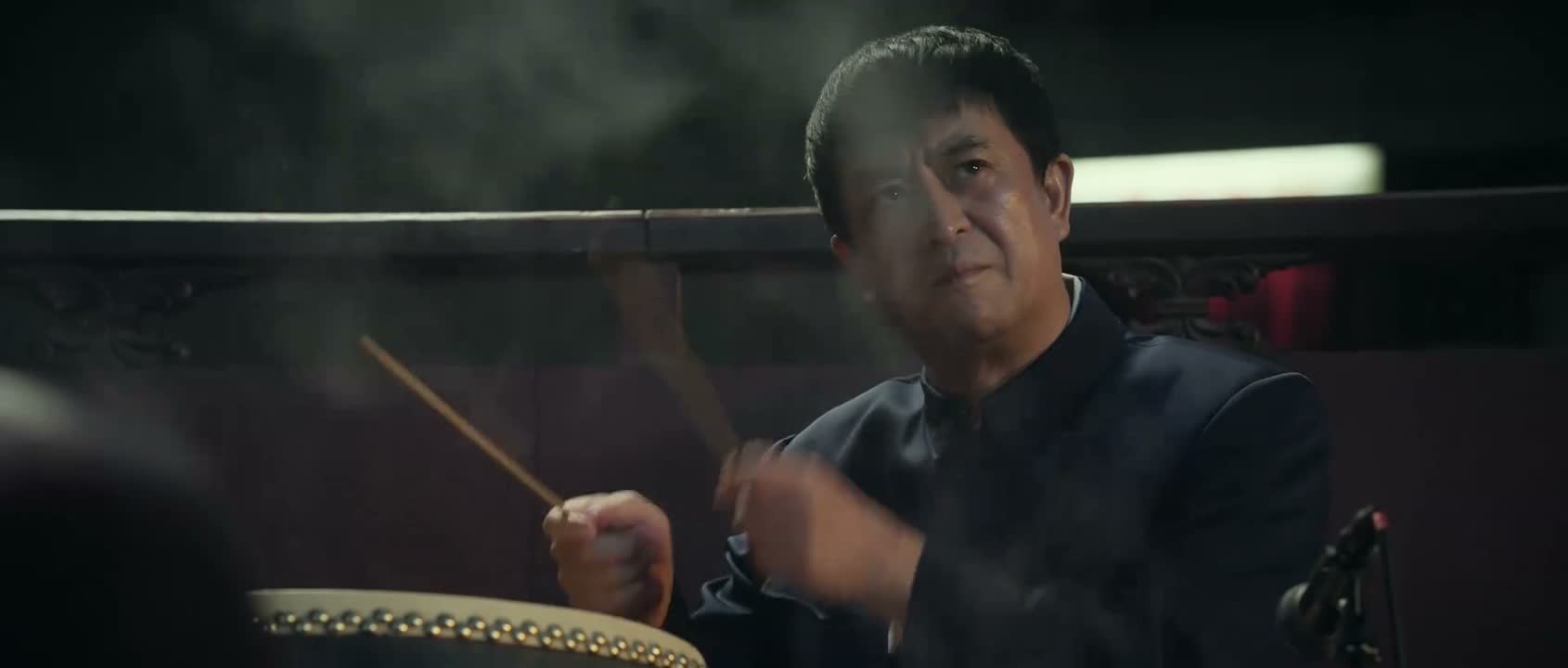
“You must learn to sing opera well.”

“You don't perform. You can't understand.”

“She hasn't even trained in opera!”

“I want to quit!”