不用 不用麻烦了
“No, don't trouble yourself.”
THE DIALOGUE REEL
我都给你们铺好了
“I've made the beds for you.”
不用 不用麻烦了
“No, don't trouble yourself.”
“Why is that person carrying a sword?”
Direct spoken expression in this communicative setting.
Politeness in Chinese culture often involves repeated expressions of not wanting to trouble the host (怕麻烦别人), demonstrating consideration and good manners.
LEARNING CHUNKS & PARTICLES
no need to trouble yourself
The standard, essential polite formula used to decline offers of food, help, or extra service in Chinese society.
Indicates a change of situation or marks the polite refusal formula, softening the abruptness of '不用'.
VOCABULARY & EXPRESSIONS
Parallel Spoken Cinema Scenes (语义近邻切片)

“No need. Are you sure?”
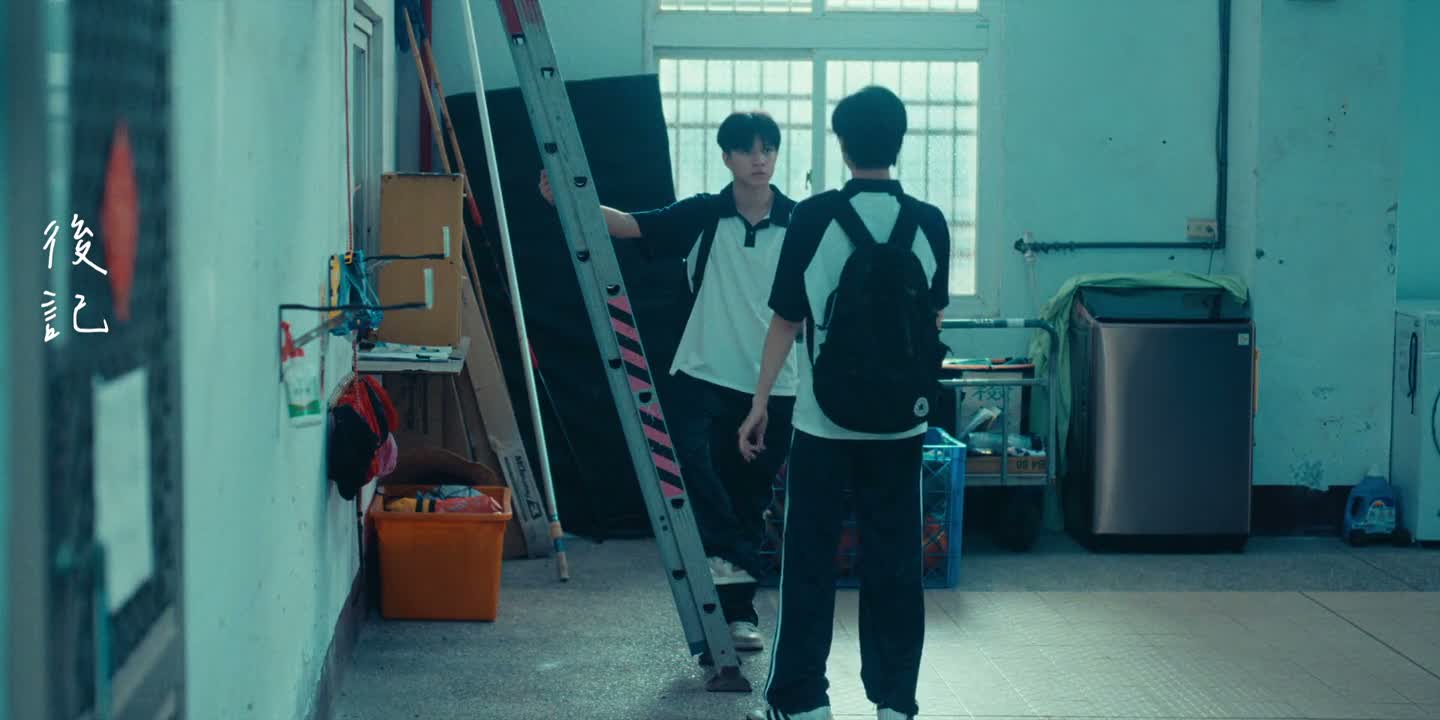
“It's okay. No need.”
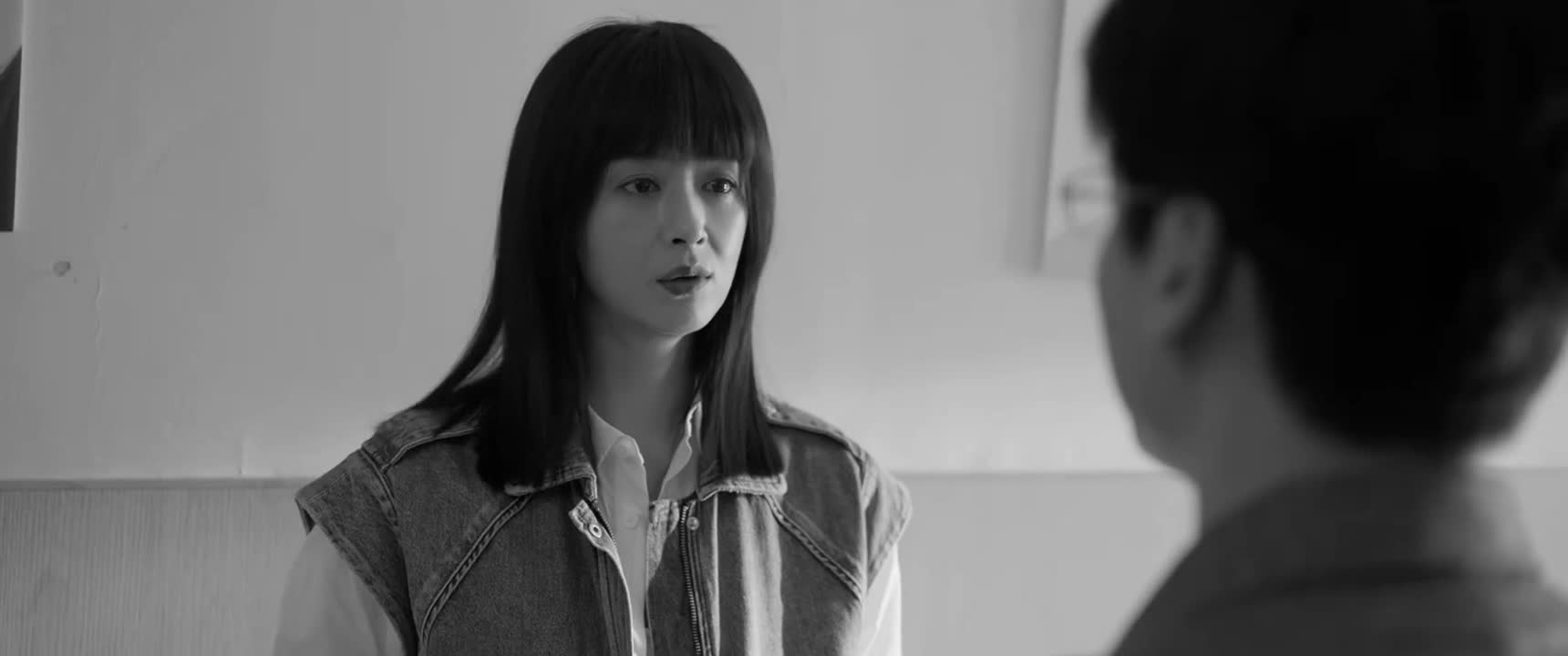
“No, I've troubled you enough already.”
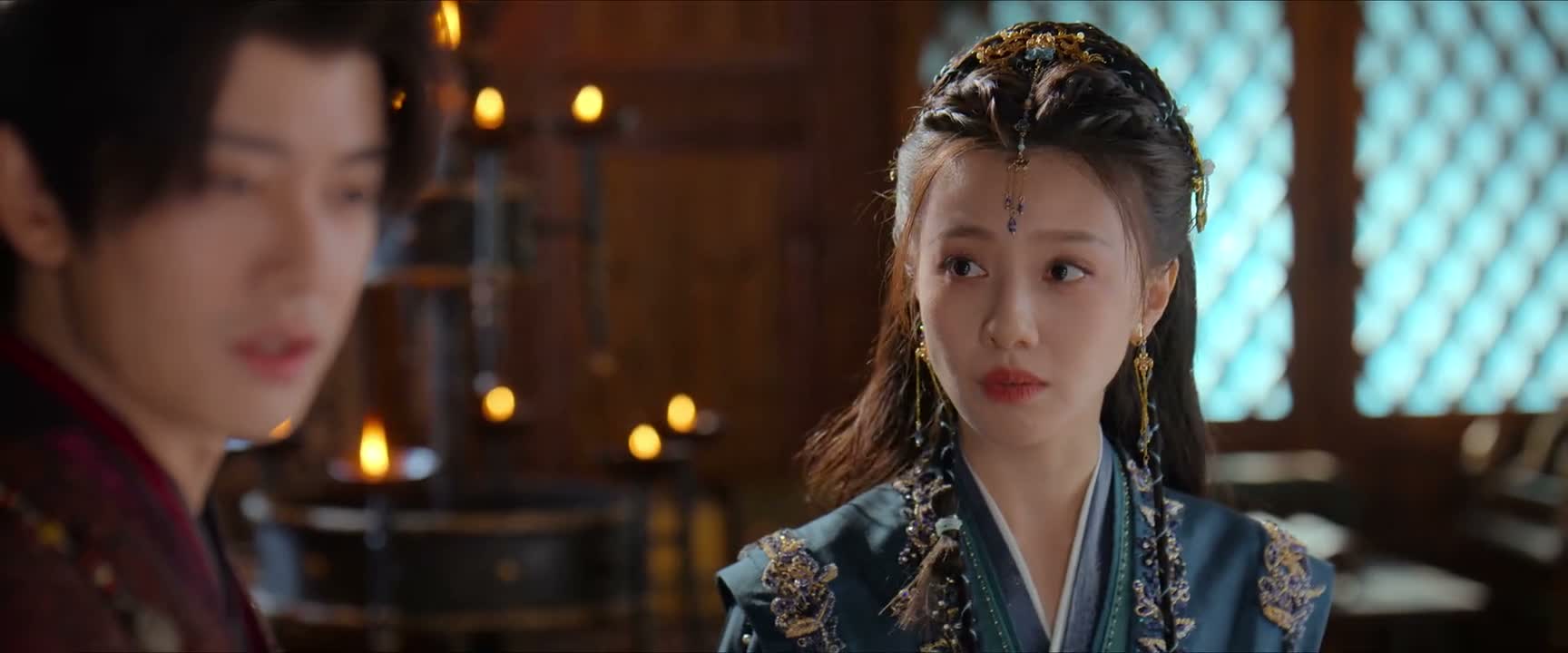
“I'm afraid not. That's too much trouble.”

“Do I need to write you an IOU? No need.”

“I'll handle it immediately. No need.”
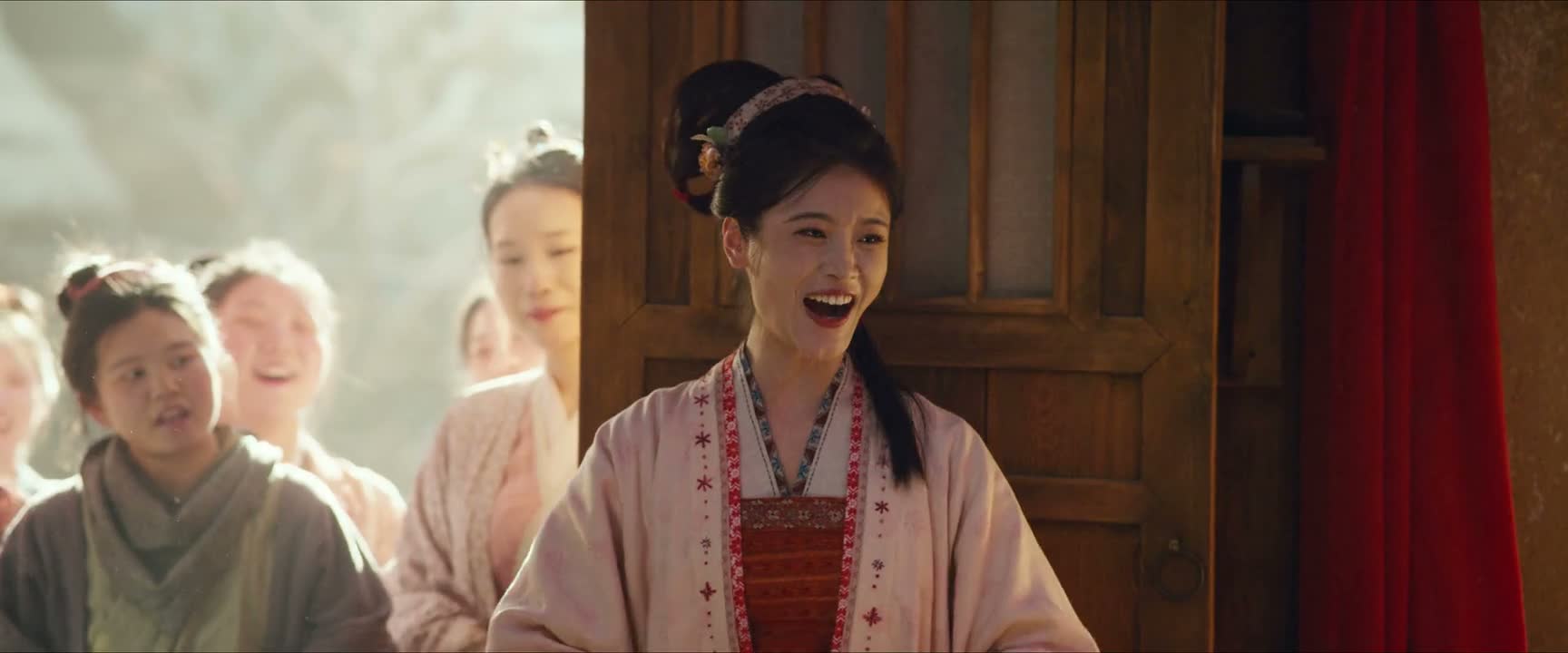
“-Great! -No, no, no need.”