MC
MandarinClips Cinema Corpus
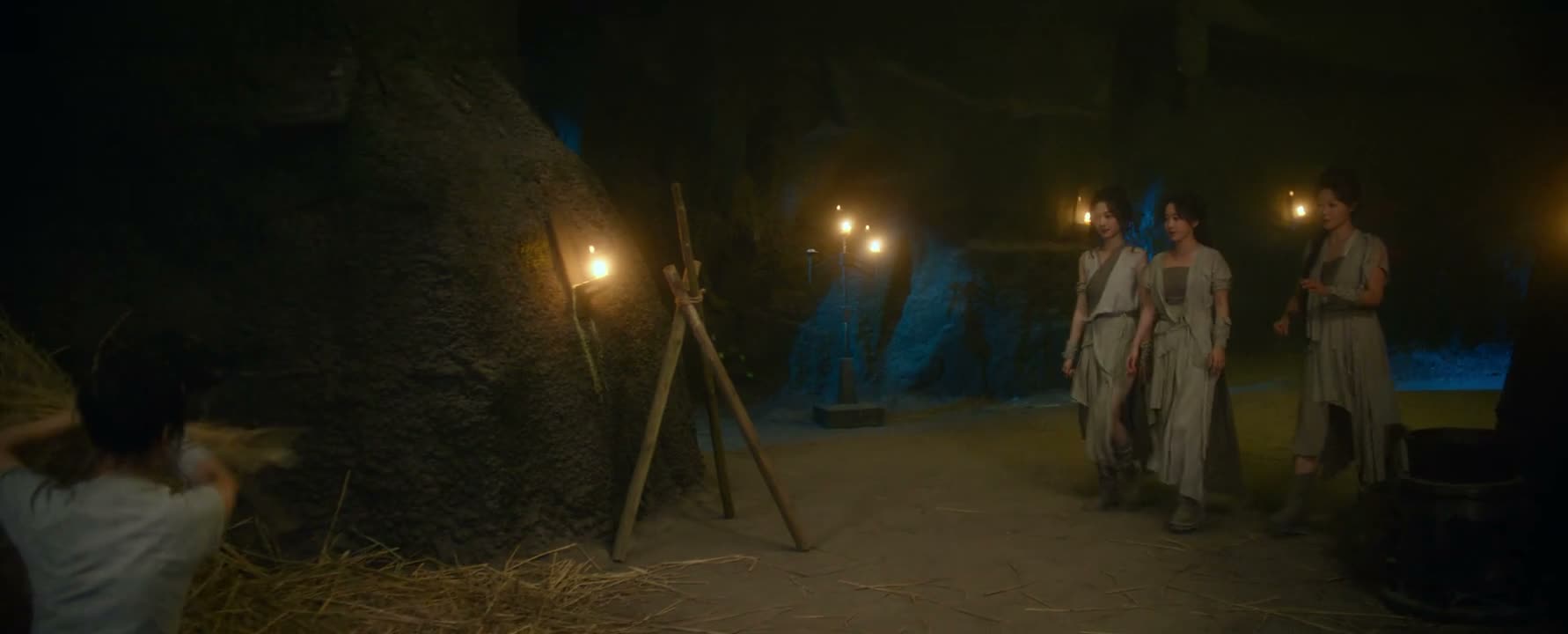
《Born to Be Alive》 S1·E1 (37:09) HSK 3
yòng bù yòng gěi nǐ xiě gè zì jù a bù yòng le

用不用 给你写个字据啊 不用了

“Do I need to write you an IOU? No need.”

《Born to Be Alive》 S1·E1
TIMECODE: 37:09 · 1080P MASTER AUDIO

THE DIALOGUE REEL

1+1+1 SPOKEN CONTINUITY
[-1] PREVIOUS TURN hǎo

好

“Okay.”

yòng bù yòng gěi nǐ xiě gè zì jù a bù yòng le CURRENT FOCUS

用不用 给你 写个字据 啊 不用了

“Do I need to write you an IOU? No need.”

[+1] FOLLOW-UP TURN nǐ de huà shén fó dōu tīng dào le

你的话 神佛都听到了

“The gods heard what you said.”

Subtitles synced to millisecond timecode Browse Show Clips →
Scene: Daily Life
Function: PROPOSING AGREEMENT
Tone: SKEPTICAL AND INFORMAL
Emotion: DEFENSIVENESS
WHAT THEY REALLY MEAN (PRAGMATIC SUBTEXT)
“You don't really distrust me enough to demand a written contract, do you?”
💡 Cultural Insight: Ziju (Written Proof vs. Verbal Trust)

Asking for a 'ziju' (written pledge/receipt) in traditional culture can imply a lack of basic trust; offering one half-seriously often tests the other party's reliance on verbal honor.

INTENT TAGS: #challenging #reassurance #testing_trust #declining
🧩

LEARNING CHUNKS & PARTICLES

3 CHUNKS · 2 PARTICLES
用不用 SPOKEN CHUNK

do you need / should I

Affirmative-negative question format used to ask whether an action is necessary.

写个字据 SPOKEN CHUNK

write a receipt or written proof

Refers to putting an informal promise or agreement down in writing as evidence.

不用了 SPOKEN CHUNK

no need; that won't be necessary

A polite, standard way to decline an offer or assistance.

Modal Particle「啊」 (a) CHANGE OF STATE

Softens the rhetorical question and invites a response.

Modal Particle「了」 (le) CHANGE OF STATE

Signifies a conclusive negation or settlement that the action is not required.
🏮

VOCABULARY & EXPRESSIONS

4 EXPR · 1 GRAMMAR
CROSS-CINEMA CORPUS BOARD · PARALLEL SCENES

Parallel Spoken Cinema Scenes (语义近邻切片)

EXPLORE BY SEMANTIC SIMILARITY
《Born to Be Alive》 S1·E1 (37:09) · Authentic Cinema Dialogue Corpus