你看我的样子像是高兴吗
“Did I look like I was having a good time?”
THE DIALOGUE REEL
“are you having a good time here alone?”
你看我 的样子 像是高兴吗
“Did I look like I was having a good time?”
你刚刚这样不是高兴吗 那你觉得是高兴
“Weren't you having a good time when you did this? You can think”
“Open your eyes; I am stressed and miserable, not happy at all.”
In Chinese interaction, countering an assumption with a sharp rhetorical question is a standard way to signal annoyance at being misunderstood.
LEARNING CHUNKS & PARTICLES
look at the way I look / judging by my appearance
Used to draw the listener's attention to visible facial expressions or body language.
does it look like...? (rhetorical negative)
A common rhetorical frame used to strongly deny that a condition or emotion is true.
Forms a rhetorical question with an emphatic negative implication, meaning 'I clearly do not look happy'.
VOCABULARY & EXPRESSIONS
Parallel Spoken Cinema Scenes (语义近邻切片)

“Look at yourself now.”

“You look unhappy. No, I'm quite happy.”

“Seeing you like this, I don't even feel like teasing you.”

“how I felt seeing you in danger?”
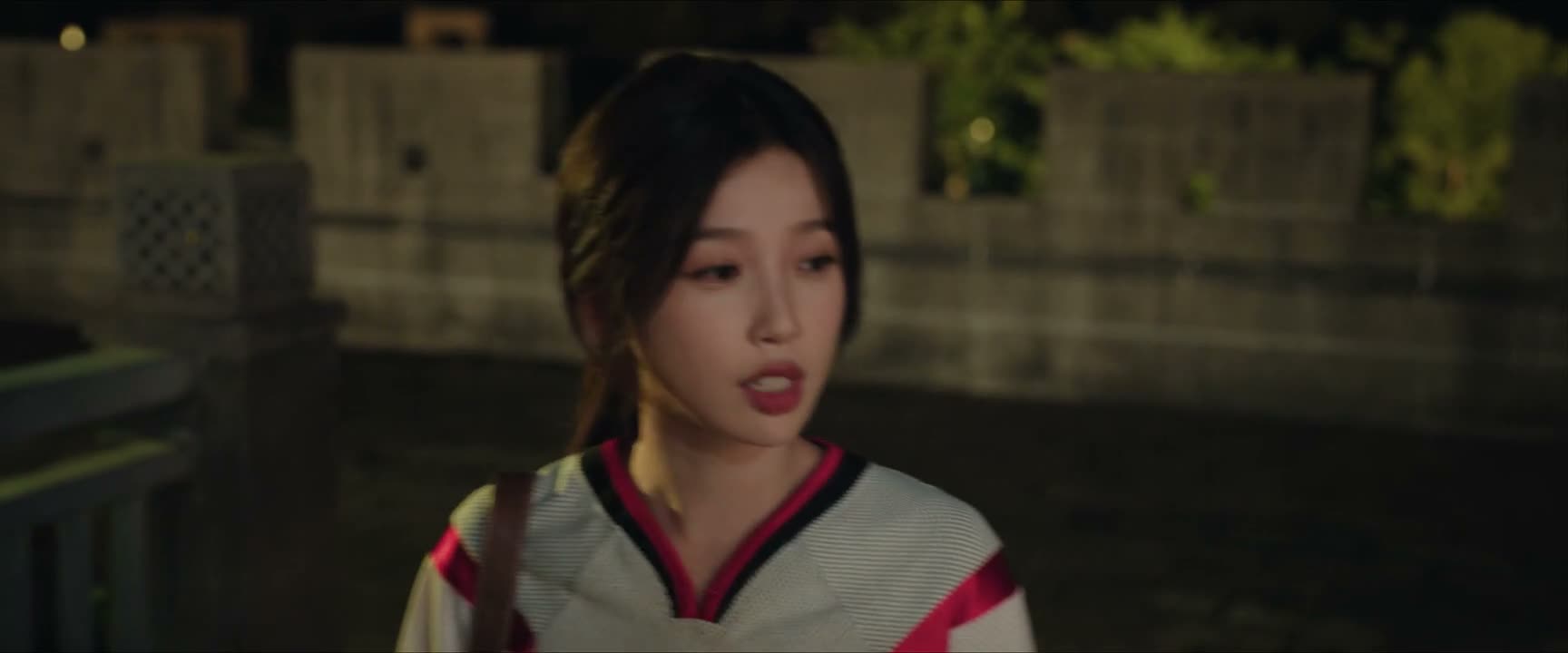
“Then why don't you look happy?”
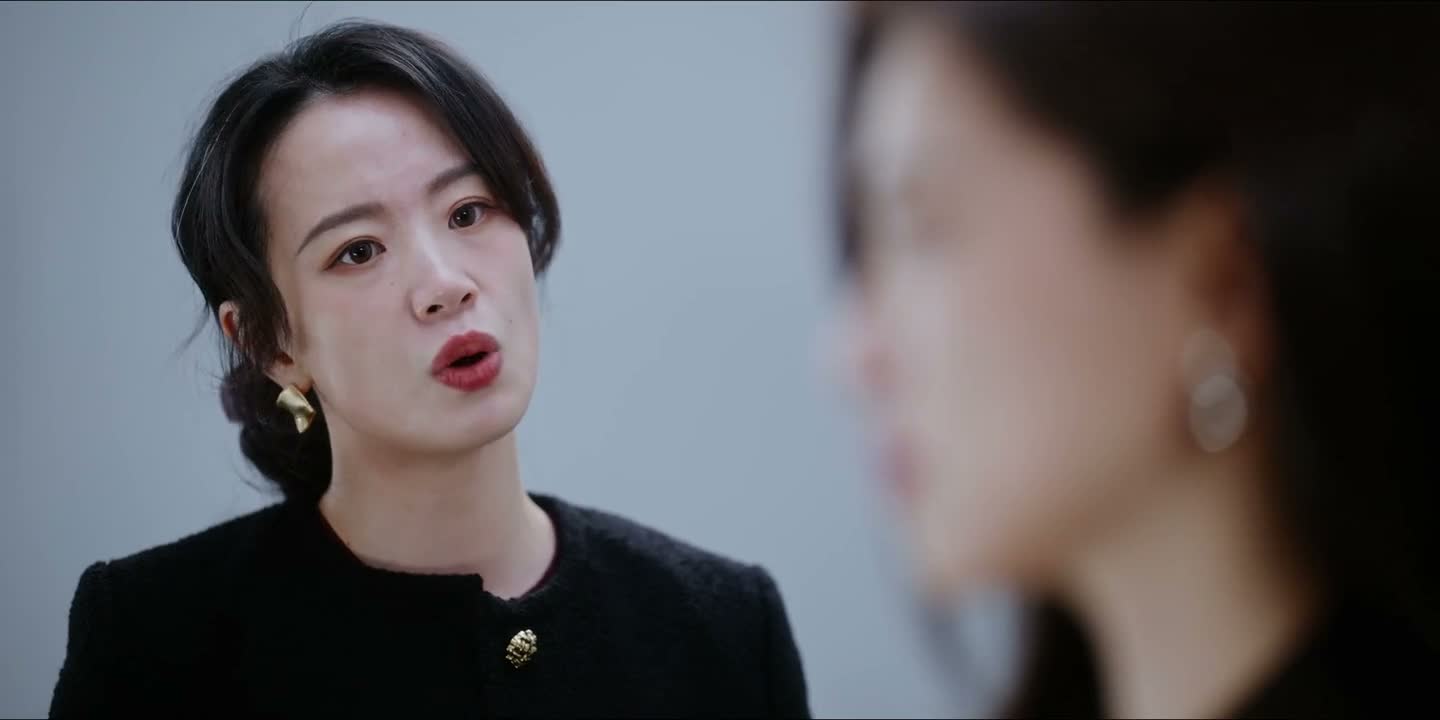
“when I saw you bluffing in front of me,”