夫人不怪罪奴婢 这有什么怪罪的
“You don't blame me, My Lady? Why should I blame you?”
THE DIALOGUE REEL
来 起来
“Come on, get up.”
夫人不 怪罪 奴婢 这有什么 怪罪 的
“You don't blame me, My Lady? Why should I blame you?”
就一个茶碗
“It's just a teacup.”
Direct spoken expression in this communicative setting.
In traditional household hierarchy, showing leniency ('宽厚') over broken items highlights the virtue, graciousness, and benevolence of a mistress.
LEARNING CHUNKS & PARTICLES
to blame; to hold responsible
Often used in polite or formal contexts when asking for forgiveness or excusing someone.
what is the big deal about this; it is nothing
A rhetorical device used to downplay an issue and reassure the other person.
Placed at the end of the rhetorical question '这有什么怪罪的' to emphasize the point that there is nothing to fault.
VOCABULARY & EXPRESSIONS
Parallel Spoken Cinema Scenes (语义近邻切片)

“It's my fault. I dare not speak out of turn again. Please spare me, Madam.”
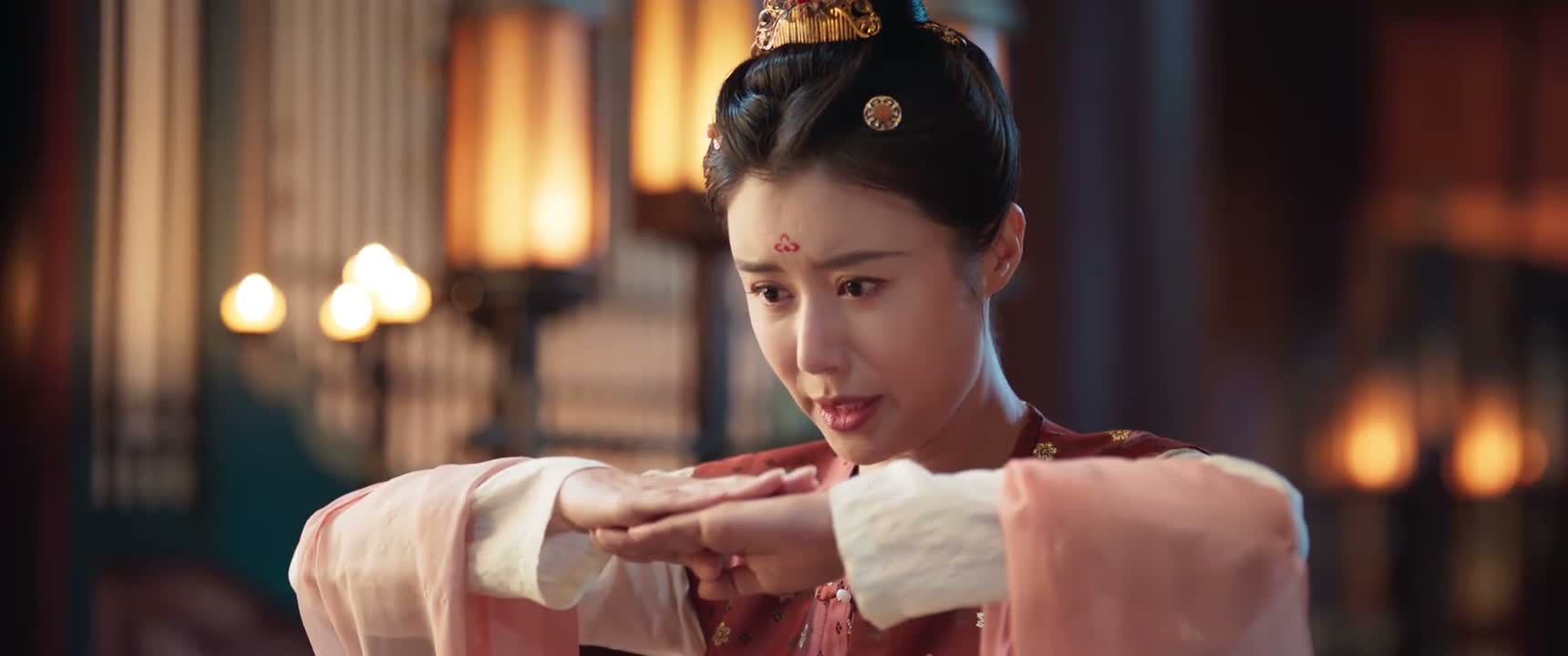
“I lost control in the moment of urgency.”

“I truly don't know.”
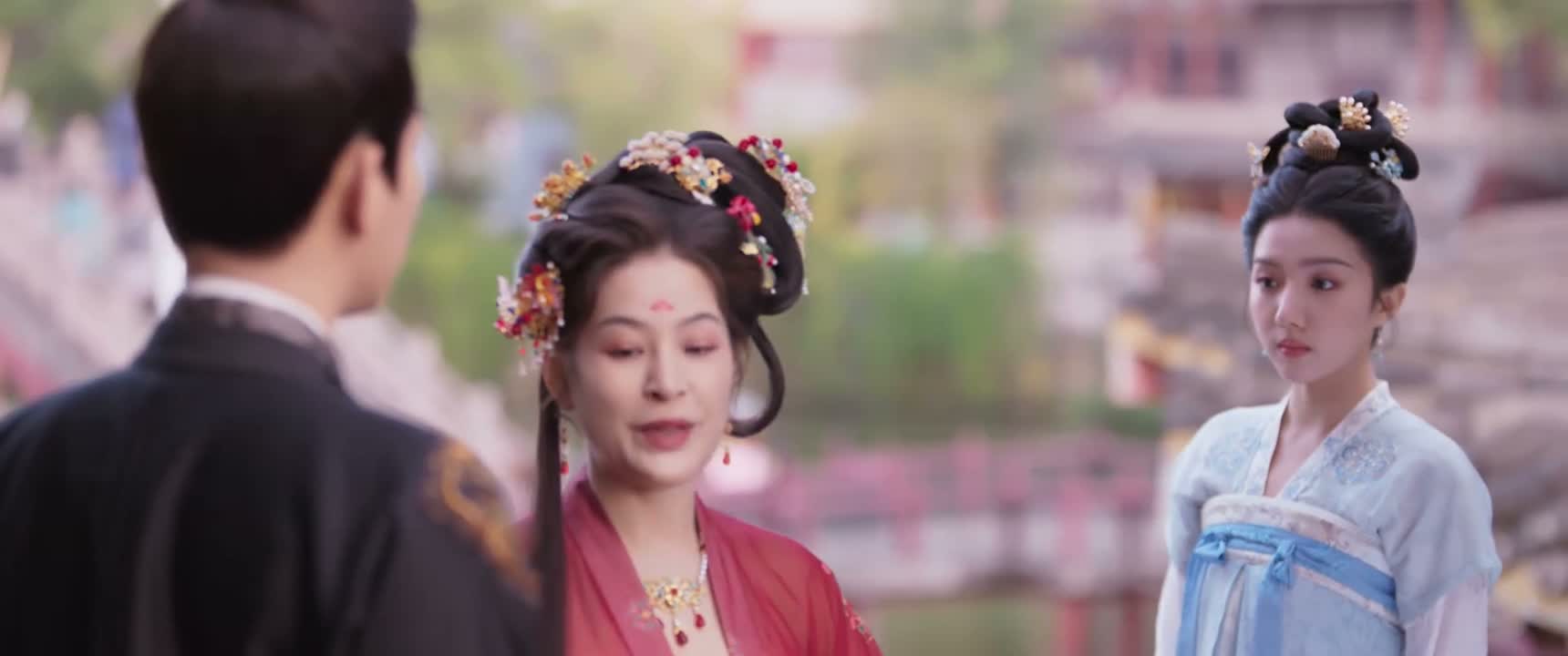
“I won't bother you two anymore.”

“our heads would be on the block!”

“Then I'll truly be left with no hope.”