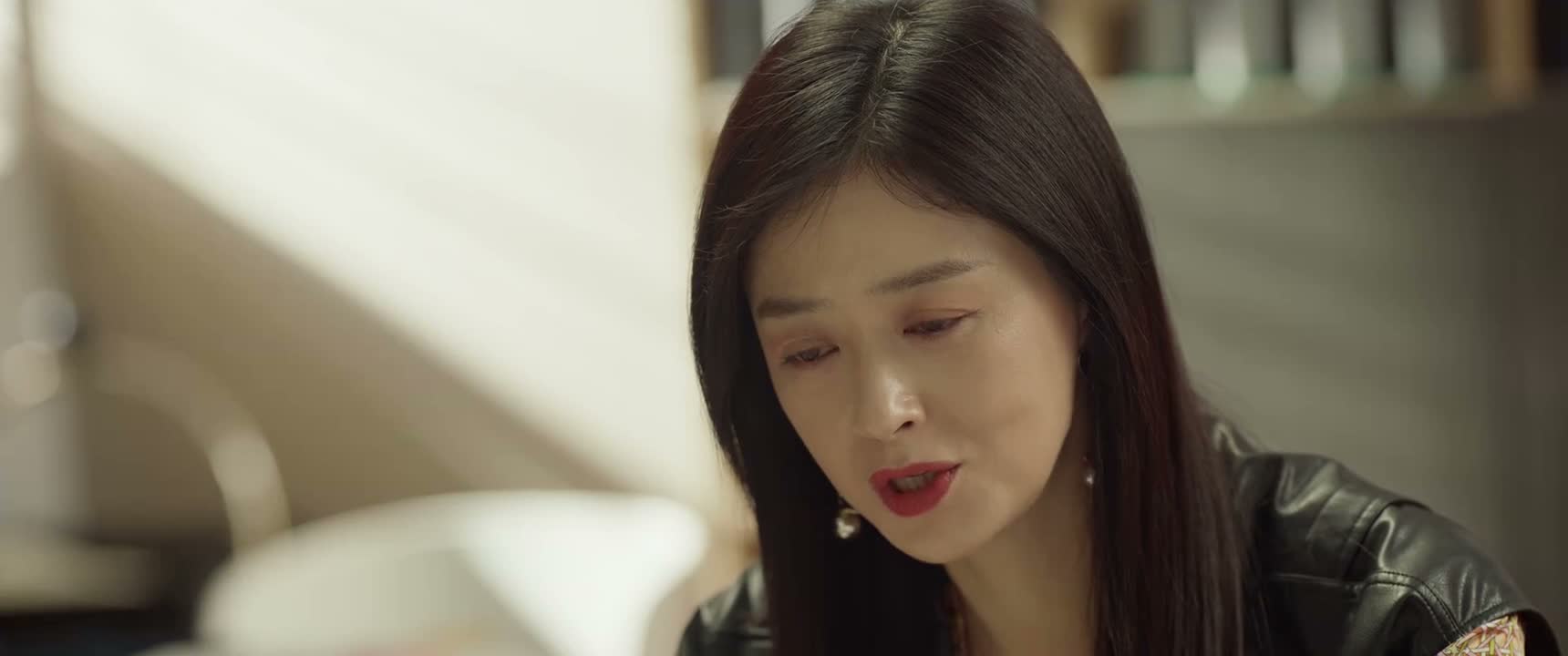
我真的可以的 你们谁说我不可以
“I really can do it. Who says I can't?”
THE DIALOGUE REEL
“Seriously, keep me in mind. I can do it.”
我真的可以的 你们 谁说 我 不可以
“I really can do it. Who says I can't?”
可以可以可以 可以 没问题 可以吗 可以
“You can. You can. You can. No problem. Can I? You can.”
“Stop doubting me or talking behind my back; give me the chance and I will prove it.”
In competitive Chinese work environments, facing doubt often triggers a strong urge to save face and 'win back respect' (zheng yi kou qi) through overt assertion of ability.
LEARNING CHUNKS & PARTICLES
truly capable; definitely able to do it
Commonly used to emphatically reassure someone of one's ability or willingness to take on a task.
who said I can't do it?
A rhetorical challenge used defensively when one's competence is being questioned by others.
Placed at the end of the clause to add emphatic conviction to the speaker's assertion.
VOCABULARY & EXPRESSIONS
Parallel Spoken Cinema Scenes (语义近邻切片)

“I can do it. I can do it. Believe me.”

“Truly. I swear it.”
“Honestly, I don't know whether I can.”

“If I can do it, it's no problem.”

“Whatever you can do, I can do, too.”

“-So I can— -You can't. Why not?”