MC
MandarinClips Cinema Corpus
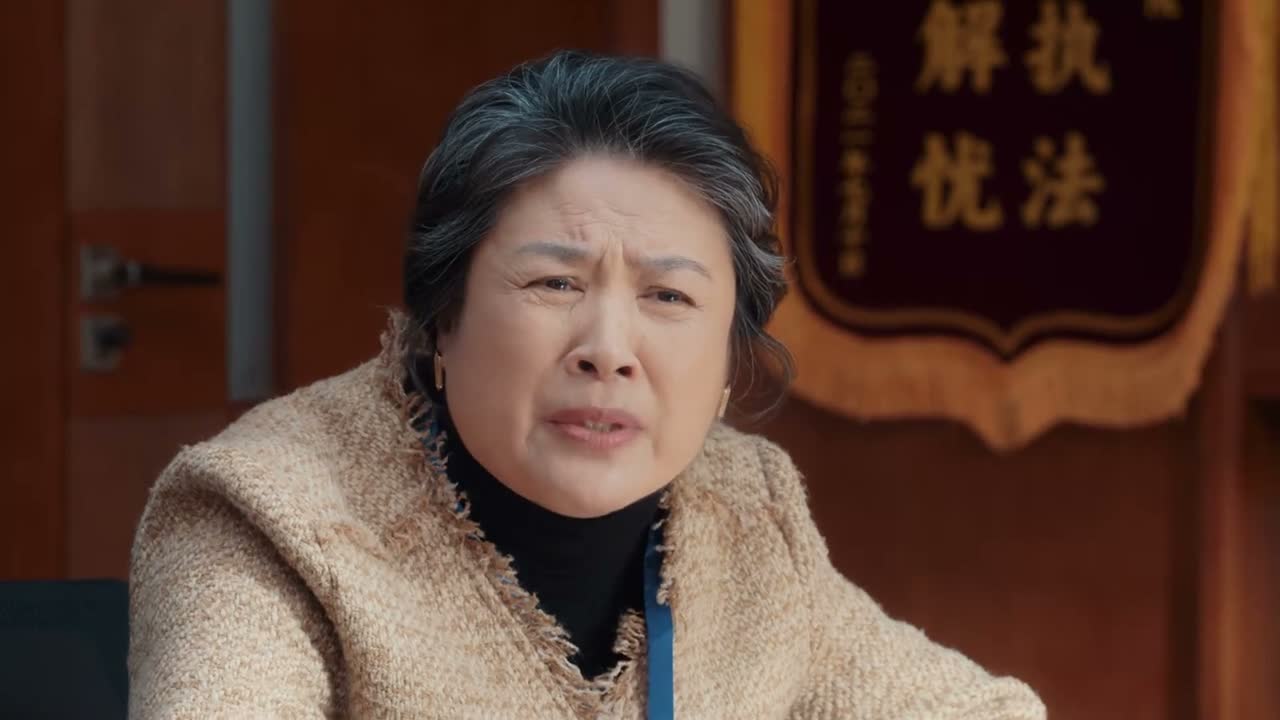
《The Glamorous Night》 S1·E18 (05:57) HSK 1
zhè bú shì yào wǒ mìng ma wǒ zhī dào wǒ zhī dào

这不是要我命吗 我知道 我知道

“It's like killing me. I know, I know.”

《The Glamorous Night》 S1·E18
TIMECODE: 05:57 · 1080P MASTER AUDIO

THE DIALOGUE REEL

1+1+1 SPOKEN CONTINUITY
[-1] PREVIOUS TURN nà ge guì bīn jù lè bù de huà nà wǒ bù jiù wán le

“and actually sets up that VIP club, then I'm finished.”

zhè bú shì yào wǒ mìng ma wǒ zhī dào wǒ zhī dào CURRENT FOCUS

这不是 要我命 吗 我知道 我知道

“It's like killing me. I know, I know.”

[+1] FOLLOW-UP TURN wǒ men yì qǐ lái xiǎng bàn fǎ hǎo bù hǎo

“Let's figure it out together, okay?”

Subtitles synced to millisecond timecode Browse Show Clips →
Scene: Crisis & Conflict
Function: ACKNOWLEDGING DISTRESS
Tone: EMPATHETIC
Emotion: ANXIETY
WHAT THEY REALLY MEAN (PRAGMATIC SUBTEXT)
“I understand you are panicked and this is disastrous, but spiraling out of control will not fix it.”
💡 Cultural Insight: Emotional Catharsis and Venting

Chinese speakers frequently use hyperbolic physical danger metaphors like 'taking my life' to express extreme emotional distress or professional panic.

INTENT TAGS: #empathy #soothing #acknowledging_crisis #de_escalation
🧩

LEARNING CHUNKS & PARTICLES

2 CHUNKS · 1 PARTICLES
要我命 SPOKEN CHUNK

be the death of me; push someone to the brink of disaster

A highly common colloquial exaggeration used when a situation imposes intolerable pressure or catastrophic consequences.

我知道 SPOKEN CHUNK

I know / I get it

Repeated twice in succession to signal active listening, empathy, and an effort to de-escalate tension.

Modal Particle「吗」 (ma) CHANGE OF STATE

Forms a rhetorical question emphasizing the disastrous nature of the predicament.
🏮

VOCABULARY & EXPRESSIONS

3 EXPR · 4 GRAMMAR
CROSS-CINEMA CORPUS BOARD · PARALLEL SCENES

Parallel Spoken Cinema Scenes (语义近邻切片)

EXPLORE BY SEMANTIC SIMILARITY
《The Glamorous Night》 S1·E18 (05:57) · Authentic Cinema Dialogue Corpus