搞得民不聊生 怨声载道
“people suffered, and resentment filled the air.”
THE DIALOGUE REEL
尤其是聂喆上任之后
“Especially after Nie Zhe took office,”
搞得 民不聊生 怨声载道
“people suffered, and resentment filled the air.”
不过如今少君入主了极乐宫
“But now, the Young Master has taken charge of Bliss Palace.”
“The old ruler was disastrous; your ascension is our salvation and fully justified.”
In traditional Chinese political philosophy, widespread public suffering and grievances signify that a ruler has lost legitimate moral authority to govern.
LEARNING CHUNKS & PARTICLES
the people have no livelihood, life is destitute for the commoners
A formal idiom used to describe extreme poverty, war, or misgovernance that deprives the populace of survival.
cries of discontent fill the streets, widespread grievances
Use when public anger or dissatisfaction toward policies or leaders reaches an overwhelming level.
VOCABULARY & EXPRESSIONS
Parallel Spoken Cinema Scenes (语义近邻切片)
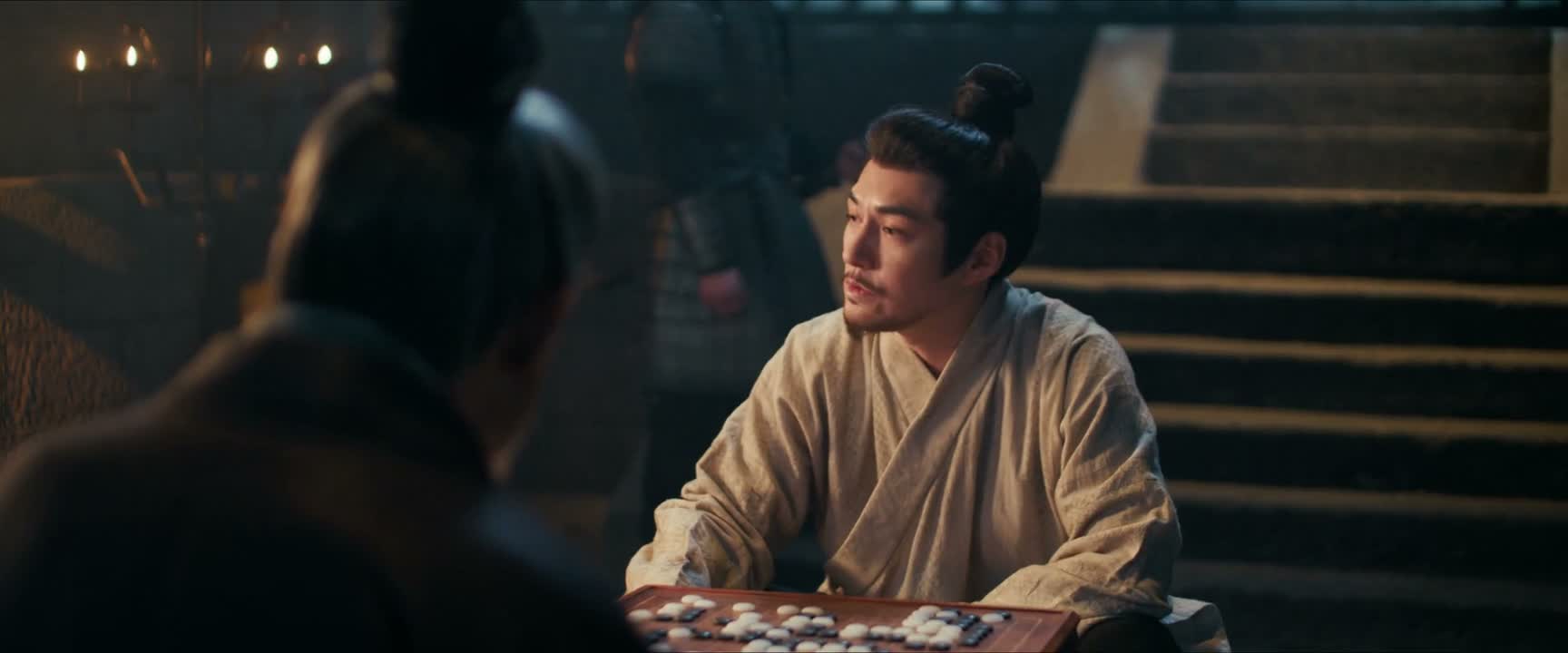
“making life unbearable for the people.”
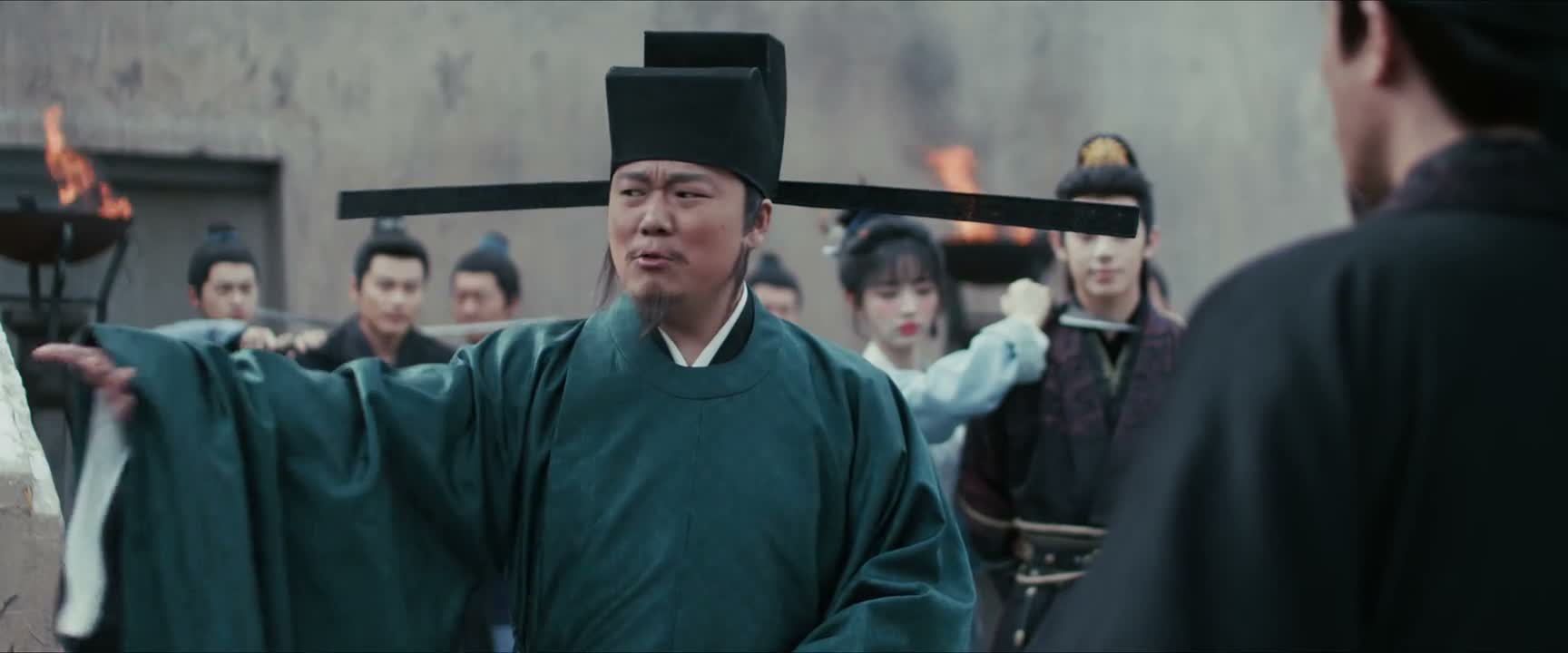
“provoking widespread complaints among the people.”
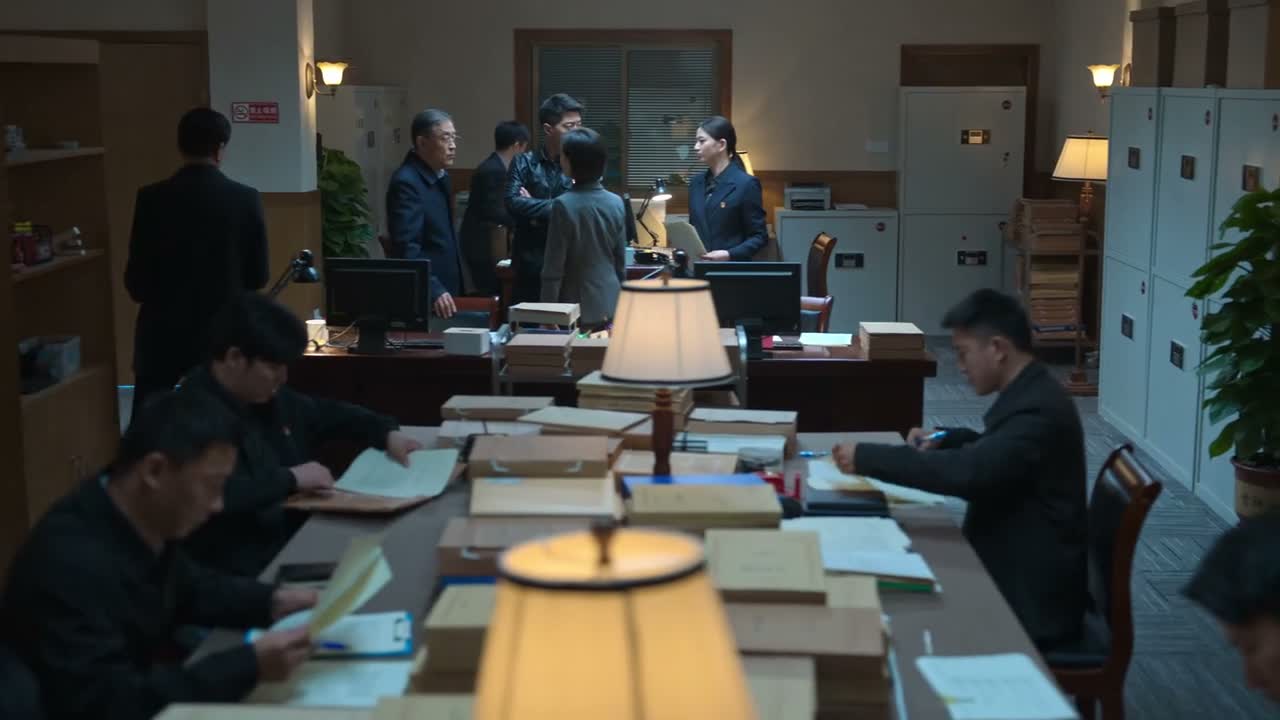
“have caused the people to complain.”

“You also implemented a bunch of terrible policies that caused widespread public outrage.”
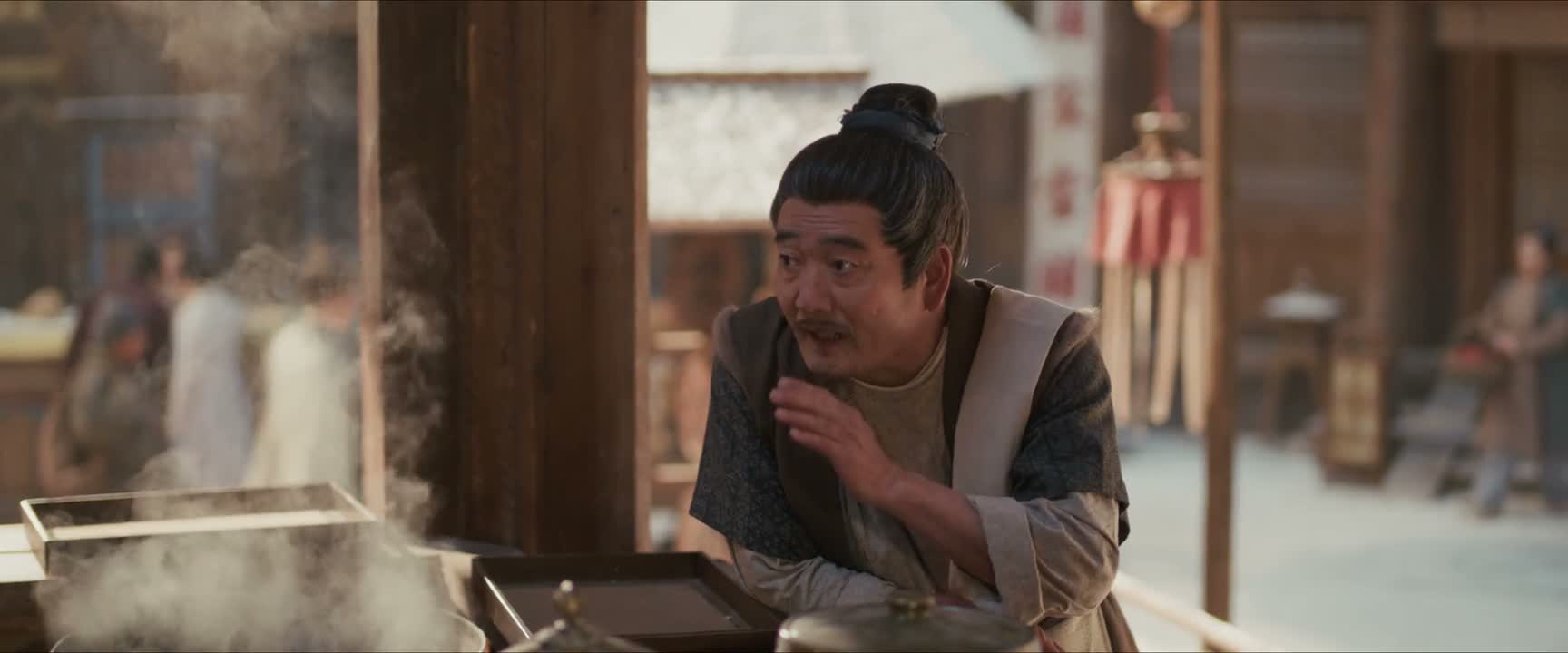
“driving the common people to their deaths.”
“How are the common people supposed to survive?”