免得你又像一个黄鼠狼一样 动手动脚的
“So you can start poking around again like a weasel?”
THE DIALOGUE REEL
那我哪能告诉你啊
“Why would I tell you?”
免得 你又 像 一个黄鼠狼 一样 动手动脚 的
“So you can start poking around again like a weasel?”
根本没有王牌
“So there is no trump card.”
“Keep your hands off me, you sneaky pest.”
The weasel (黄鼠狼) in Chinese cultural lore universally symbolizes slyness, thievery, and disingenuous flattery (derived from the proverb of the weasel greeting the chicken with evil intent).
LEARNING CHUNKS & PARTICLES
weasel (metaphor for a sneaky, untrustworthy schemer)
Commonly invoked in folk idioms to describe someone who approaches with malicious, thieving, or indecent intentions.
getting handsy; inappropriate physical touching
Used colloquially to criticize someone for initiating unwelcome physical contact, pawing, or fiddling with personal space.
Used at the end of a descriptive clause to anchor the speaker's critical characterization.
VOCABULARY & EXPRESSIONS
Parallel Spoken Cinema Scenes (语义近邻切片)

“so you won't be bothered with me anymore!”

“so you won't be bothered with me anymore! You vile spawn!”

“to keep her from getting upset.”

“so your drama doesn't affect me.”
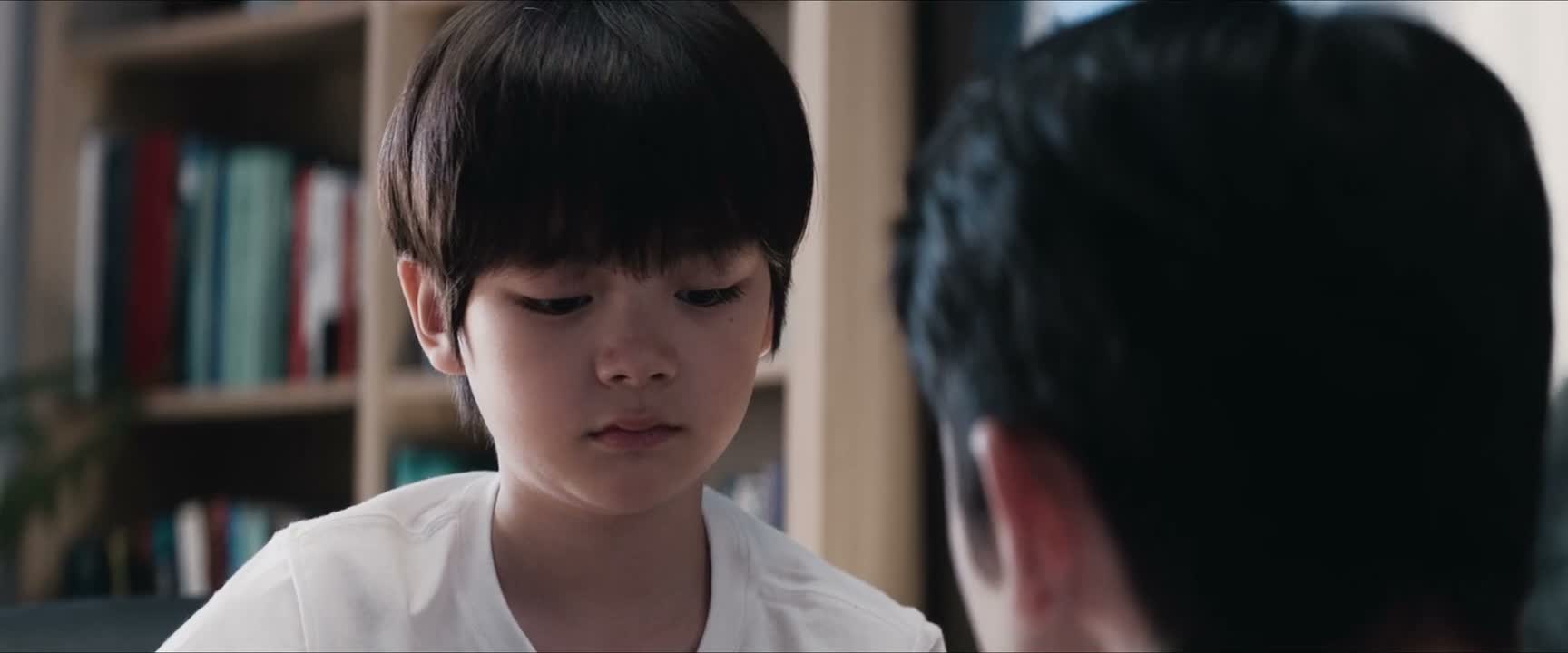
“so she won't get sad again.”

“so you wouldn't get pushed around as a newcomer.”