我剖尸是为了救人 我有什么错?
“I did that to save people. What did I do wrong?”
THE DIALOGUE REEL
“Once discovered, both of us will be executed.”
我剖尸是为了 救人 我 有什么错 ?
“I did that to save people. What did I do wrong?”
“Besides, I was very careful. They won't find out.”
“I did the right thing, and I refuse to feel guilty about saving lives.”
Traditional Chinese culture strongly valued bodily integrity after death ('preserving the complete body'); dissecting a corpse was seen as a severe moral violation and capital crime, making the protagonist's medical ethics revolutionary and risky.
LEARNING CHUNKS & PARTICLES
to perform an autopsy / dissect a corpse
A historical or medical term referring to post-mortem anatomical examination.
what is wrong with [that]?
A rhetorical question used to aggressively reject blame and assert that one's stance is completely justified.
VOCABULARY & EXPRESSIONS
Parallel Spoken Cinema Scenes (语义近邻切片)

“and the autopsy was inevitable,”

“Why? Unauthorized autopsy is a capital offense.”

“but an unauthorized autopsy is more than a capital crime.”
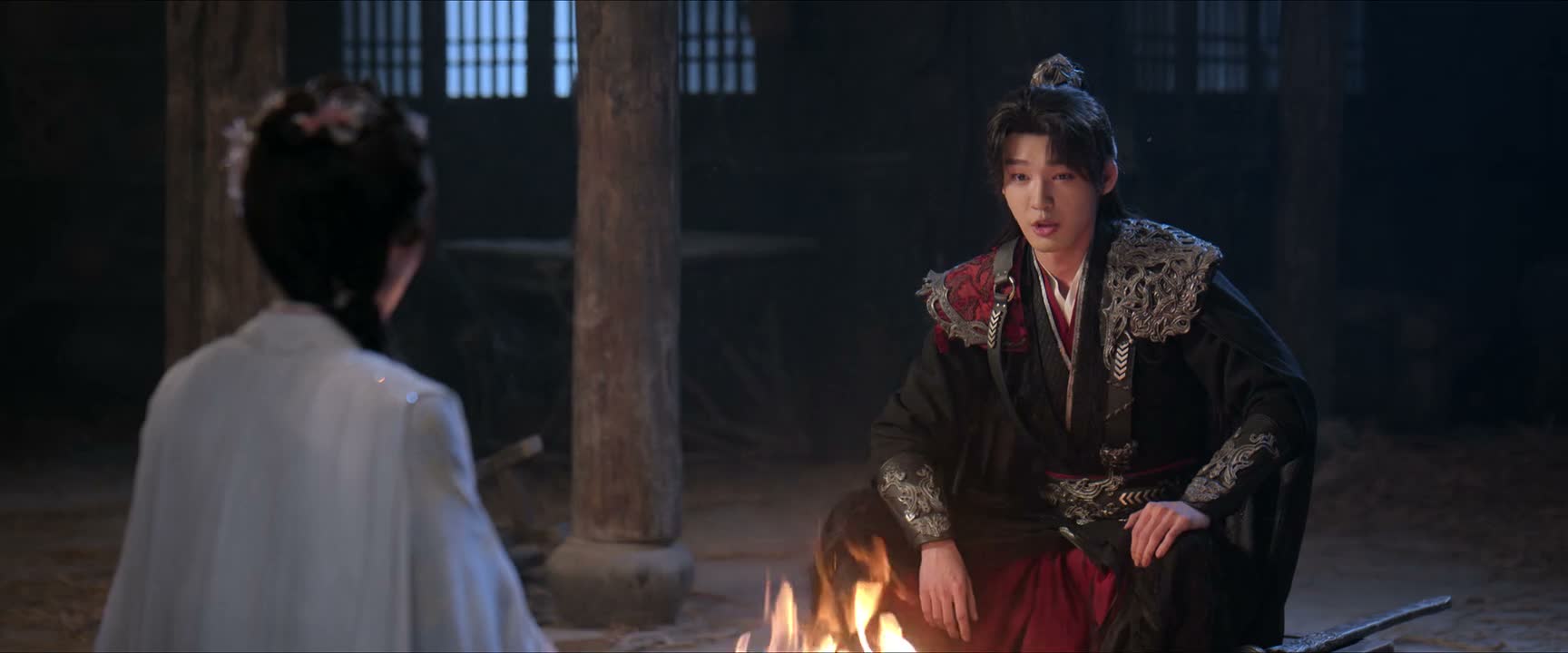
“But after cutting open his corpse,”

“The sooner we get it done, the less chance they have to interfere.”
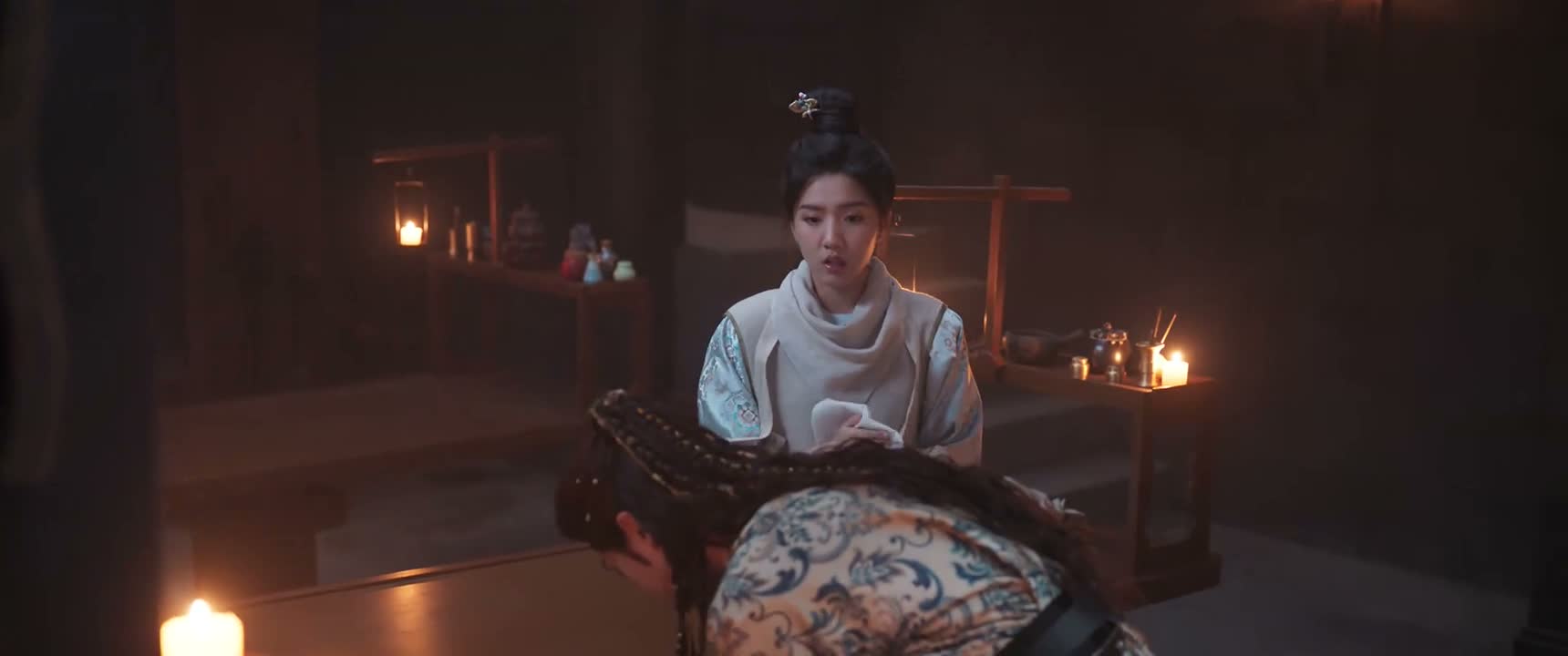
“When I watched you examine the body just now, your technique was very clean.”