老爷子醒了看见你 一定会很开心的
“He'll be very happy to see you when he wakes up.”
THE DIALOGUE REEL
你能来真的很好
“It's good that you came.”
老爷子 醒了 看见 你 一定会 很开心 的
“He'll be very happy to see you when he wakes up.”
谢谢你
“Thank you.”
Direct spoken expression in this communicative setting.
In Chinese culture, physical presence at the bedside of an ailing elder is a supreme token of respect, emotional loyalty, and filial piety.
LEARNING CHUNKS & PARTICLES
elderly man; the old gentleman (respectful yet affectionate term for an elder or father)
Commonly used in Northern China to affectionately refer to an elderly father or senior male relative.
will definitely; bound to
Use this collocation when offering strong assurances or confident predictions to comfort someone.
Functions as a marker of completion for waking up, creating the condition under which the action follows.
VOCABULARY & EXPRESSIONS
Parallel Spoken Cinema Scenes (语义近邻切片)

“Seeing you awake puts my mind at ease.”

“You'll feel better when you wake up.”
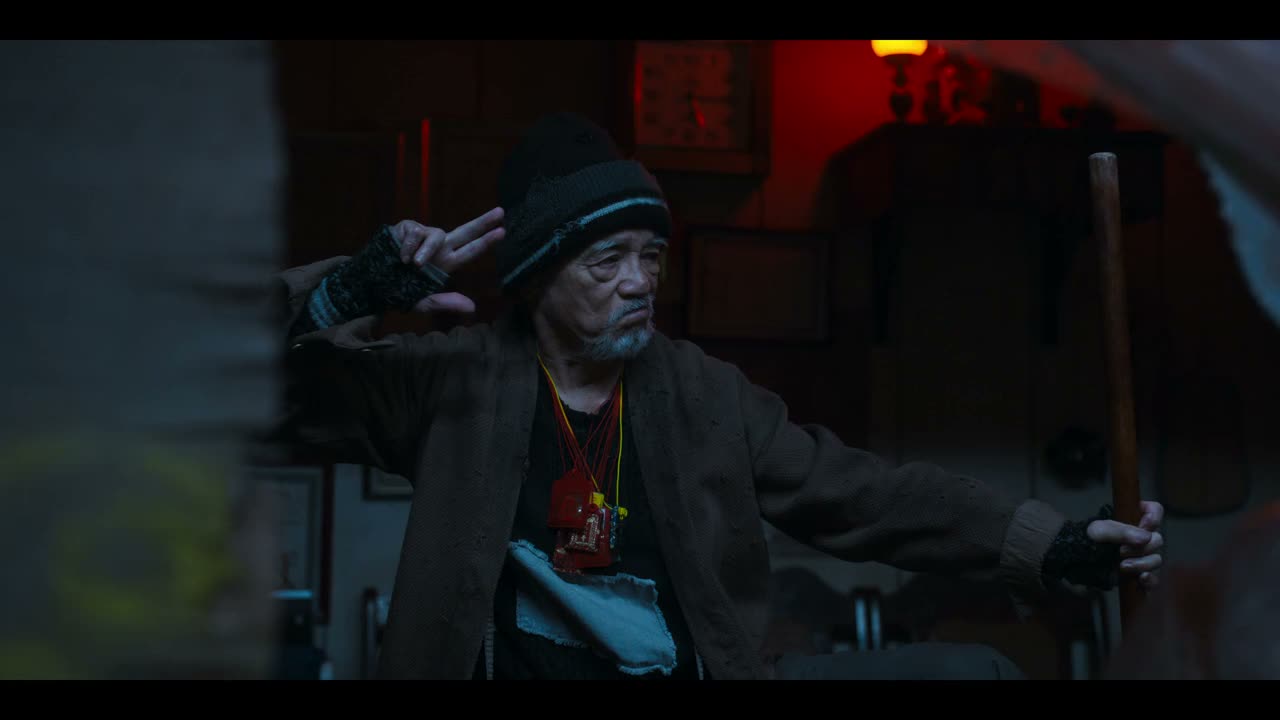
“[Han Chieh] Old man, what are you doing? Why haven't you gone?”
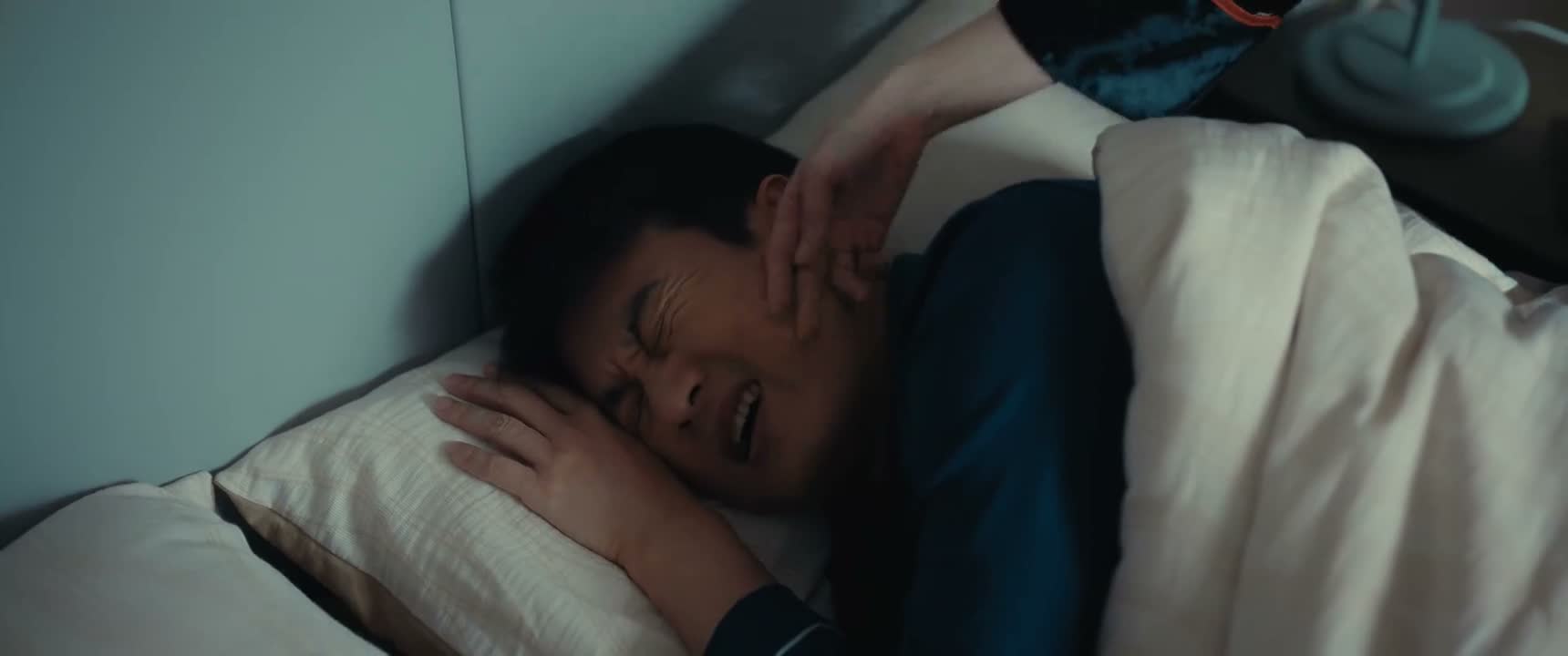
“- Wake up. - What are you doing? - Let him sleep. - Mom's here.”

“♪ Now we're at the edge ♪ But after waking up,”

“You will surely wake up.”