若是被教坊知道奴瞒病接客
“If the Music Office finds out that I hid my illness and still received clients,”
THE DIALOGUE REEL
助我们捉拿真凶
“and help us catch the culprit?”
若是 被 教坊 知道 奴 瞒病接客
“If the Music Office finds out that I hid my illness and still received clients,”
Direct spoken expression in this communicative setting.
Performers registered in the imperial Jiaofang held subjugated legal status, subjected to severe corporate discipline and corporal punishment.
Using '奴' as a first-person pronoun denotes low social status or extreme self-abasement in imperial China.
LEARNING CHUNKS & PARTICLES
to conceal an illness while entertaining clients
A specific compound phrase common in period dramas describing registered entertainers hiding medical conditions.
the Music and Entertainment Bureau
A historical administrative agency in ancient China that managed state musicians, dancers, and courtesans.
VOCABULARY & EXPRESSIONS
Parallel Spoken Cinema Scenes (语义近邻切片)

“Shall I ask for a royal physician?”

“I truly don't know.”
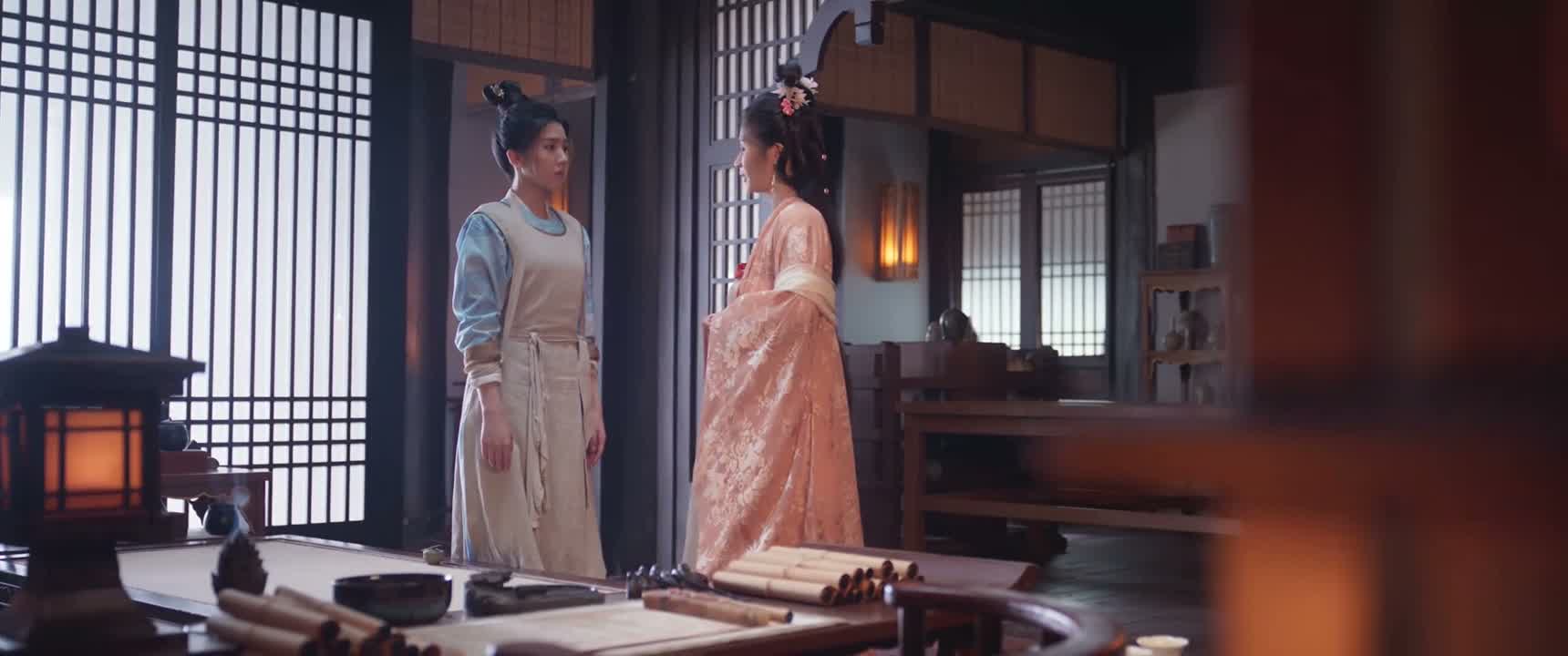
“I endure this life in the Music Office”

“I came to borrow money from Supervisor Hu.”
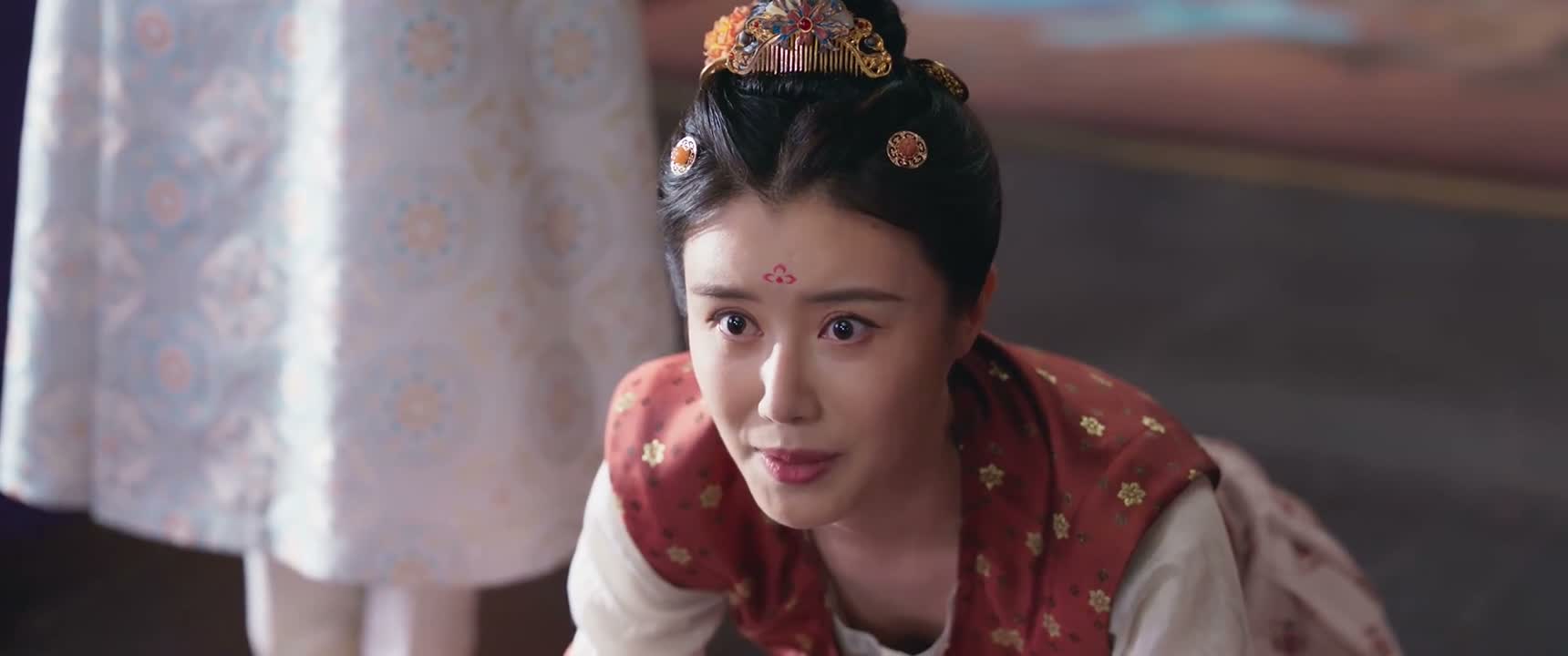
“I would gladly serve Your Highness”
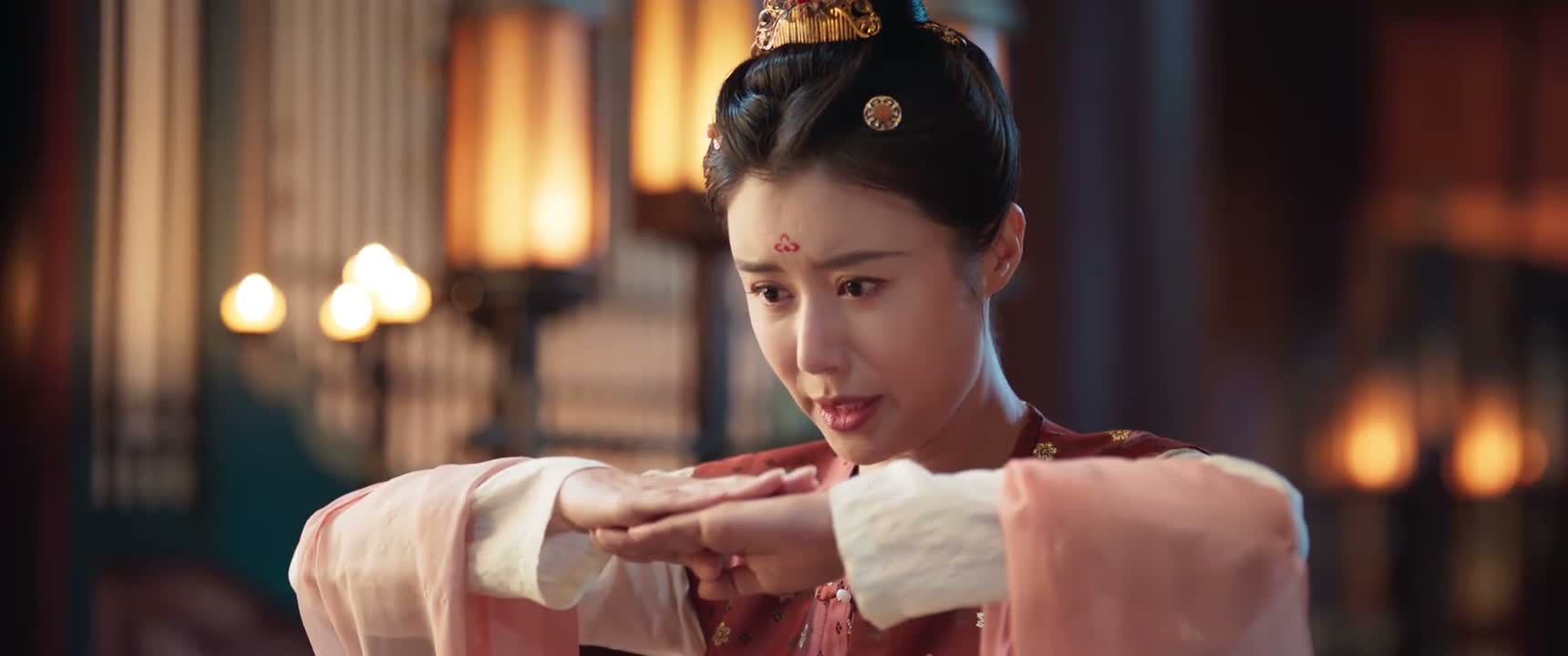
“I lost control in the moment of urgency.”