您瞧见过穆知翟没有啊
“Have you seen Mu Zhidi?”
THE DIALOGUE REEL
是那穆知翟
“It was Mu Zhidi.”
您瞧 见过 穆知翟 没有啊
“Have you seen Mu Zhidi?”
倒是没有
“Not really.”
“You don't even know what kind of person he is, so how could you agree to this?”
In historical China, family heads often arranged alliances based solely on lineage and status without personally meeting the prospective spouse beforehand.
LEARNING CHUNKS & PARTICLES
have seen / have caught sight of
A spoken alternative to 'kanjian guo', frequently heard in northern Mandarin and period dramas.
or not
Used at the end of a question to form an affirmative-negative question structure, softening the interrogation.
Softens the interrogative sentence, adding a conversational, pressing tone.
VOCABULARY & EXPRESSIONS
Parallel Spoken Cinema Scenes (语义近邻切片)

“there's no record of Qi Zhen.”
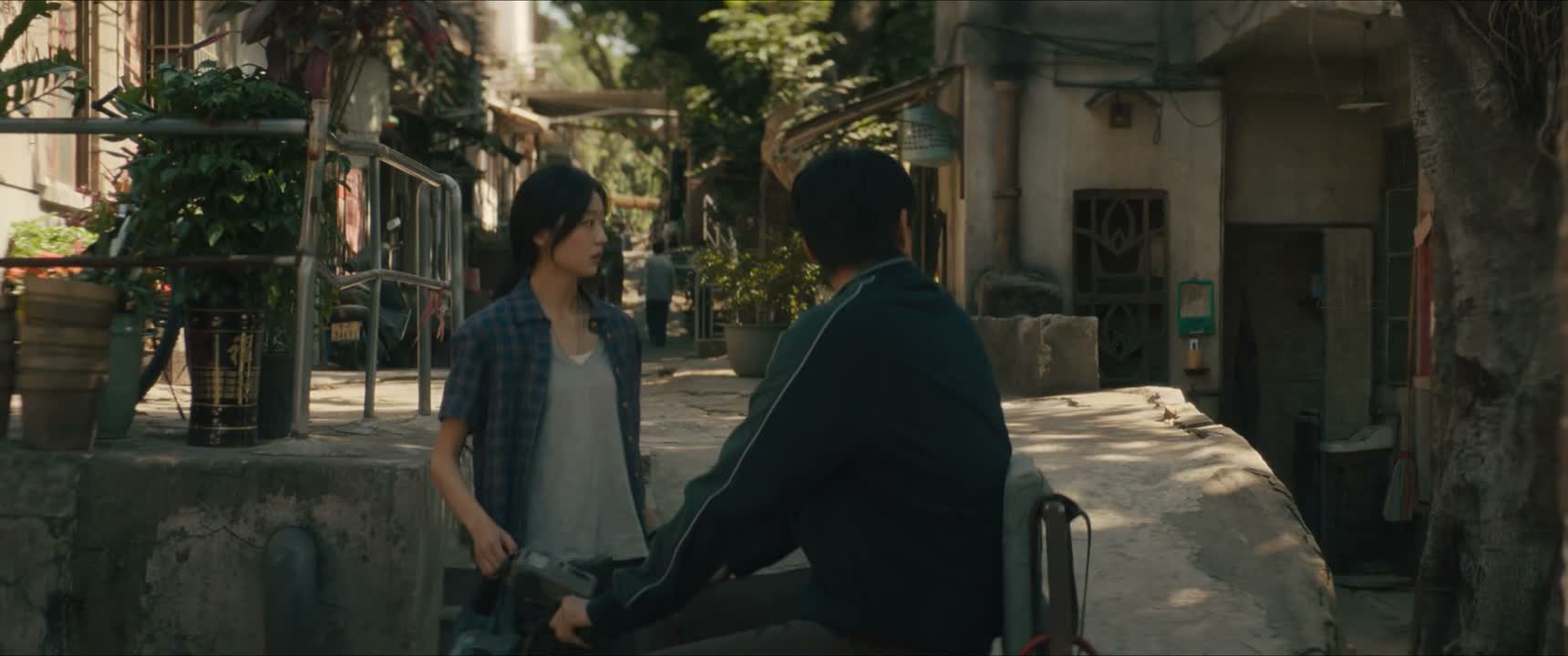
“I haven't seen him either.”

“I've never heard of it before. Me too.”

“Why are you asking about Li Muyun?”

“He definitely didn't see it. Didn't see it, didn't see it.”

“Why haven't I heard of her? I haven't either.”