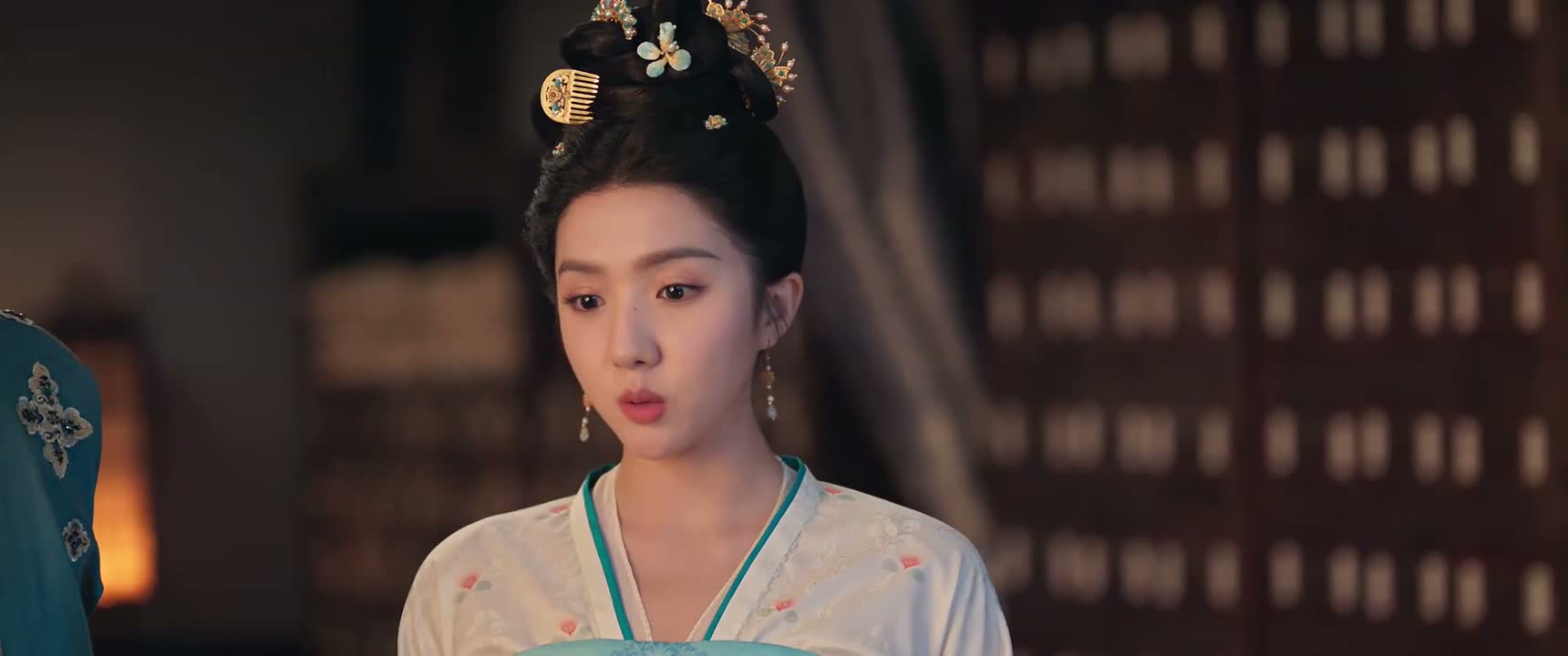
还要帮她想着娘家的事
“I must think of her natal family too.”
THE DIALOGUE REEL
那孩子不容易 我不光要做她的婆家
“That child has had it hard. I won't just be her in-laws.”
还要 帮她 想着 娘家 的事
“I must think of her natal family too.”
人家有淑妃当娘家
“She has Consort Shu as her backing.”
Direct spoken expression in this communicative setting.
In traditional Chinese culture, a married woman belongs to her husband's household (pojia) while her birth family (niangjia) acts as her external backing. Showing concern for her niangjia reflects exceptional benevolence from a mother-in-law.
LEARNING CHUNKS & PARTICLES
a married woman's parental or maternal family home
Crucial cultural term used when contrasting a married woman's birth family with her husband's family (婆家).
keep in mind on her behalf; look after her interests
A colloquial pattern to express active care and attentiveness toward someone else's concerns.
VOCABULARY & EXPRESSIONS
Parallel Spoken Cinema Scenes (语义近邻切片)

“and what I can do to help her.”

“needs your care as well.”

“to ask your wife a favor.”
“Shall I take a look?”

“I would still take care of the child.”

“and what would he do to make it up to you.”