你我又有谁能担得起这个责任呢?
“who can take responsibility for that?”
THE DIALOGUE REEL
“Who can take responsibility for that? But if she takes it and something happens,”
你我 又有谁 能 担得起 这个 责任呢?
“who can take responsibility for that?”
“Neither of us can afford the fallout, so don't you dare push this dangerous move onto me.”
In Chinese bureaucratic and institutional environments, individuals are often extremely vigilant about avoiding unilateral liability for high-risk crises.
LEARNING CHUNKS & PARTICLES
able to bear or shoulder (a burden/responsibility)
A common potential complement used when discussing the capacity to handle heavy risks or liabilities.
responsibility; blame; liability
Frequently paired with verbs like 承担, 担负, or 负 to discuss legal, moral, or professional accountability.
Enhances the rhetorical force of the question, underscoring the speaker's insistence that no one can take the blame.
VOCABULARY & EXPRESSIONS
Parallel Spoken Cinema Scenes (语义近邻切片)

“You can't carry that blame.”

“Who's going to take the blame then?”

“can you take responsibility for that?”
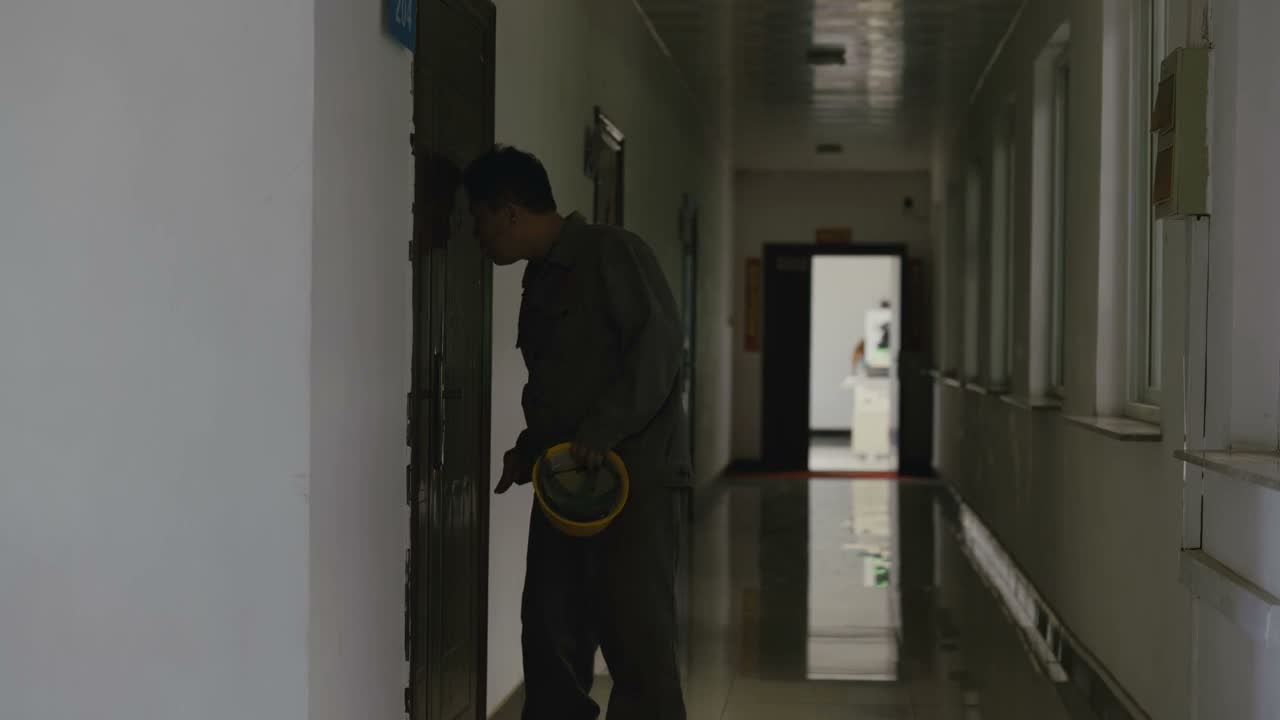
“I can't bear that responsibility.”

“Not everyone is qualified to shoulder such a burden.”

“I have an inescapable responsibility.”