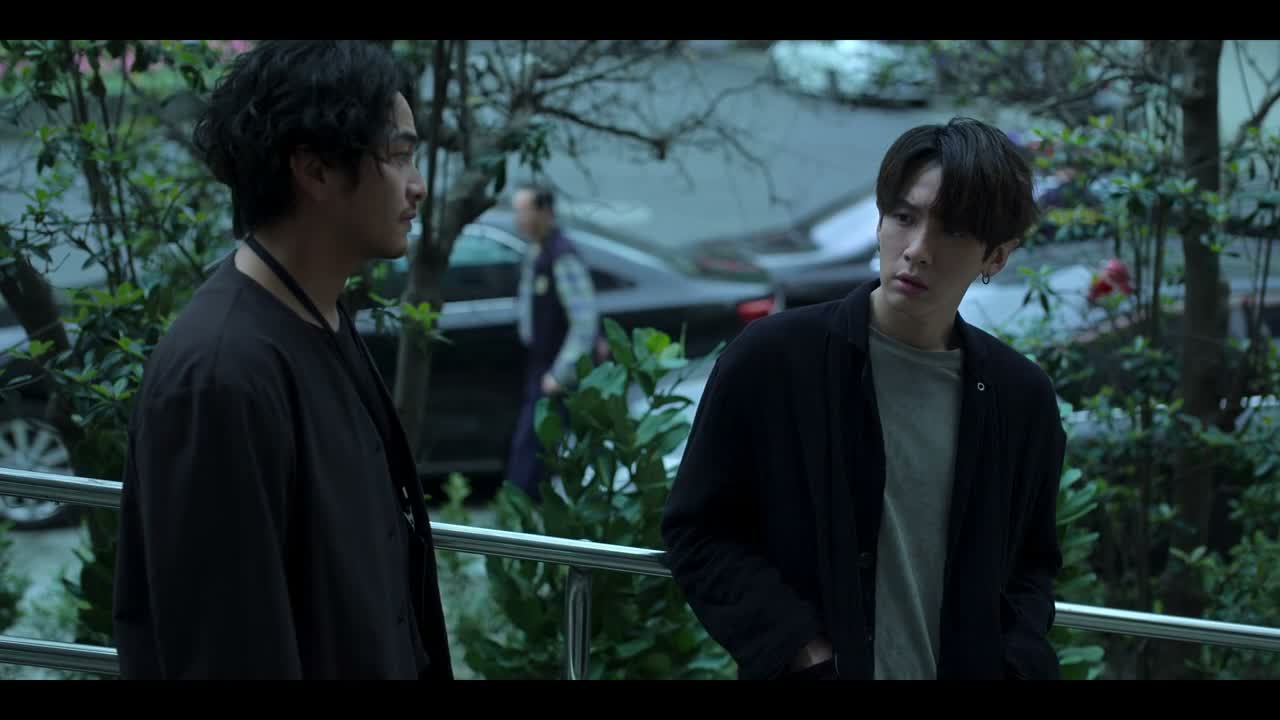
就没有点寄人篱下的自觉
“Shouldn't you behave like you're living in someone else's place?”
THE DIALOGUE REEL
你这个租客
“You're the tenant.”
就 没有 点 寄人篱下 的自觉
“Shouldn't you behave like you're living in someone else's place?”
难道就不怕我这个当房东的
“Aren't you worried”
“Remember who owns this place and start acting like a respectful guest.”
Chinese domestic dynamics traditionally expect someone dwelling under another's roof to show humility, compliance, and deference to the master of the house.
LEARNING CHUNKS & PARTICLES
living under someone else's roof; relying on others for shelter
An idiom derived from classic literature, frequently used colloquially to describe the vulnerability or subservience of staying in someone else's home.
self-awareness; consciousness of proper behavior
Commonly used in spoken Chinese to criticize someone who lacks situational tact or fails to discipline themselves.
VOCABULARY & EXPRESSIONS
Parallel Spoken Cinema Scenes (语义近邻切片)

“It's like you're living under someone else's roof.”

“Who do you think you are? [Feng Chenbi]”

“no one will see how sad you are.”
“Always using others to do things.”

“I just failed to notice them.”

“Sometimes, I feel like I'm too selfish.”