你们不是口口声声说 这是妖怪作祟吗?
“You all keep saying this is the work of demons.”
THE DIALOGUE REEL
只有我有钥匙
“and only I have the key.”
你们 不是 口口声声说 这 是 妖怪 作祟 吗 ?
“You all keep saying this is the work of demons.”
盘问我们这些凡人做什么?
“So why question us mortals?”
“You claimed a monster did it, so stop harassing me and do your actual job.”
In Chinese confrontational rhetoric, turning an opponent's stated premises back against them using rhetorical patterns like '不是……吗' is a powerful tactic to force them into a defensive posture.
LEARNING CHUNKS & PARTICLES
professing repeatedly; insisting over and over
Used with a critical or accusatory tone when highlighting someone's hypocrisy or unfulfilled claims.
cause trouble; haunt; be behind evil deeds
Commonly used for spirits causing mischief, or figuratively for hidden sinister factors ruining plans.
Marks a rhetorical question that aggressively emphasizes the contradiction in the listener's stance.
VOCABULARY & EXPRESSIONS
Parallel Spoken Cinema Scenes (语义近邻切片)
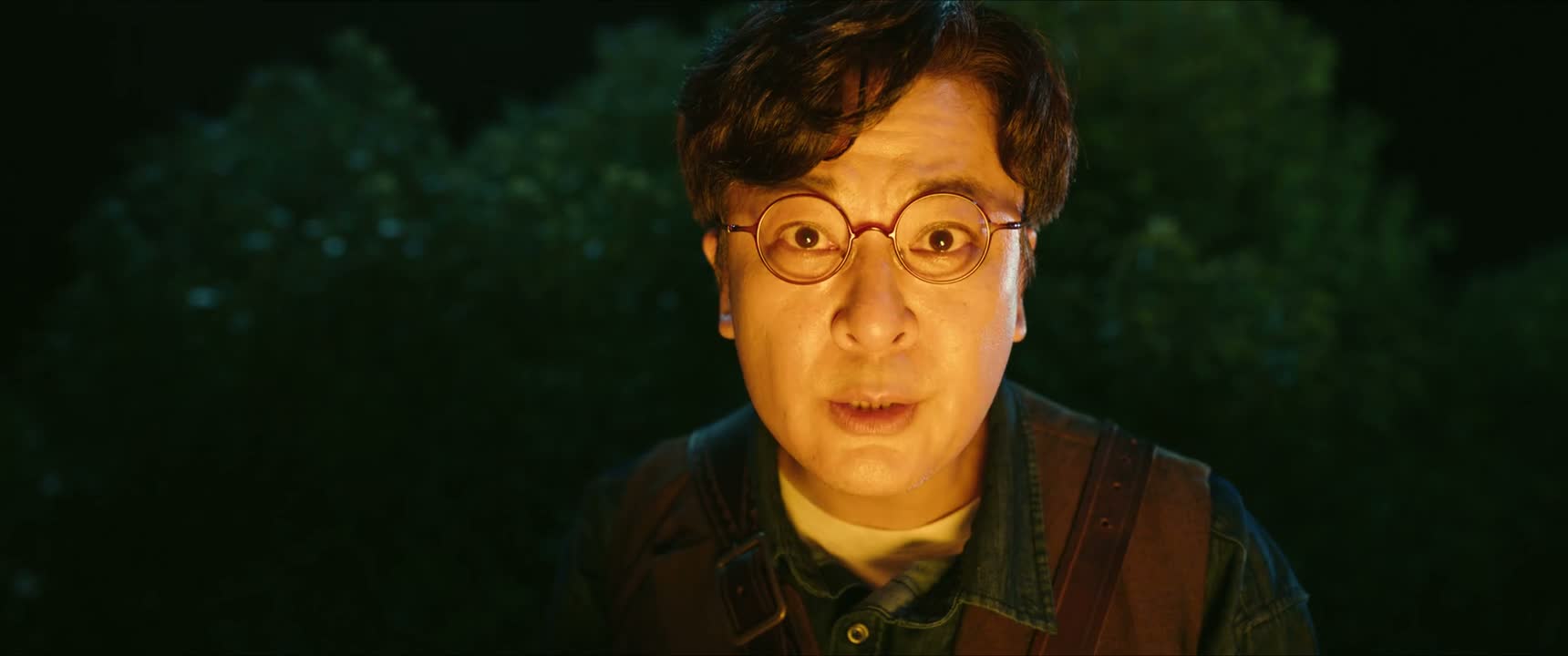
“You say this is a demon's lair.”

“You demon! What's wrong with being a demon?”

“Wait, you trust a demon over me?”

“A bit like thunder. This demon really doesn't mean any harm.”
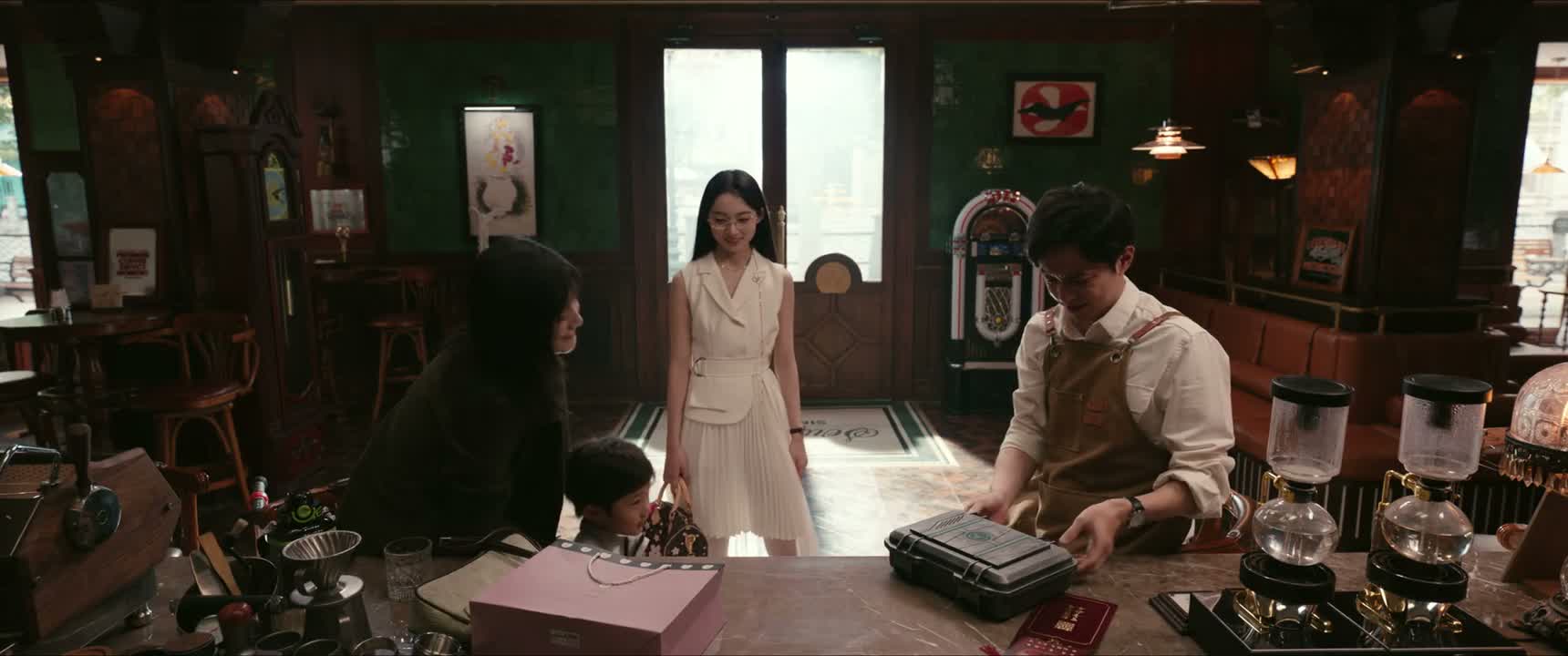
“Isn't this thing just like what that demon did—”

“quit calling me a demon. It sounds awful. Me,”