亏了本宫对你视如己出
“I treat you like my own child! [To Father]”
THE DIALOGUE REEL
还能是谁
“Who else could it be?”
亏了 本宫对你 视如己出
“I treat you like my own child! [To Father]”
这是谁写的
“Who wrote this?”
“How dare you betray me after all the maternal care I gave you.”
In traditional Chinese morality, betraying someone who treated you like family is considered one of the lowest forms of dishonor and moral bankruptcy.
LEARNING CHUNKS & PARTICLES
to treat someone as one's own biological child
A classic idiom describing deep maternal or paternal affection toward someone not biologically related.
to think that... / despite / what a waste that...
Used at the start of a sentence to express irony, betrayal, or regret about unappreciated past kindness.
VOCABULARY & EXPRESSIONS
Parallel Spoken Cinema Scenes (语义近邻切片)
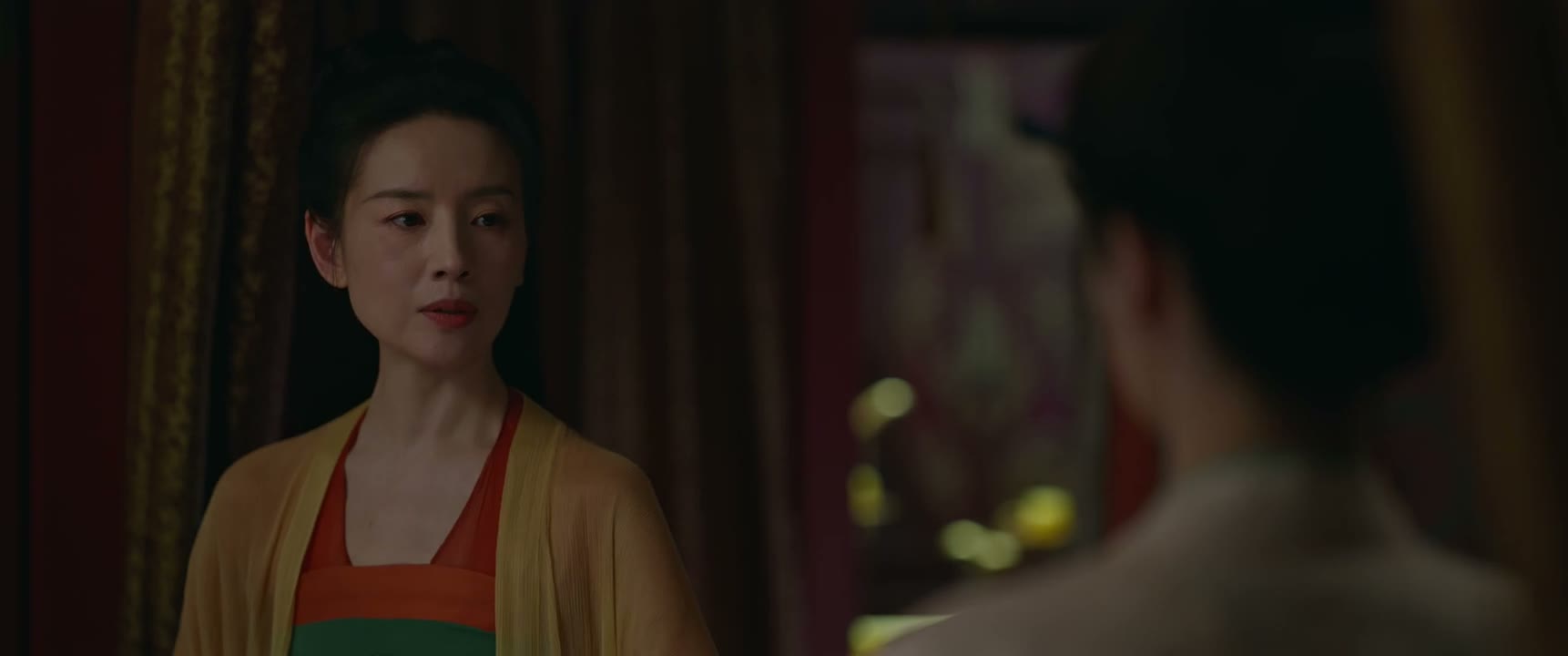
“What do you think I have lost?”
“Even if you leave the palace one day,”

“If you have no interest in me,”

“Of course, I will also return your blows with all my might”

“then do not come looking for me again.”

“stop trying to deceive me.”